The Collector
The Collector, published in 1963, is the debut novel of British author John Fowles and stands as a landmark work of twentieth-century psychological suspense. The book immediately established Fowles as a major literary voice, renowned for its unflinching examination of obsession, class conflict, and the ethics of possession. Its central conceit—a kidnapping narrated from both the captor's and the captive's points of view—creates a claustrophobic and deeply unsettling portrait of two people locked in a struggle for power, meaning, and survival.
Structure and Narrative Innovation
The novel is divided into four sections, each employing a distinct narrative voice. The first and longest section is narrated by Frederick Clegg, a lower-middle-class clerk and amateur lepidopterist, who recounts in meticulous, flat prose how he planned and executed the abduction of Miranda Grey, a beautiful and cultured art student from a higher social class. The second section is Miranda's diary, written during her captivity, which offers a passionate, intelligent, and increasingly desperate counterpoint to Clegg's cold rationality. The third section returns to Clegg's narration, covering the period after Miranda's diary ends, and the fourth is a brief, chilling epilogue from Clegg's perspective after the story's tragic conclusion. This dual-perspective structure forces the reader to inhabit both minds, generating a profound and uncomfortable empathy that complicates any simple moral judgment.
Characters and Class Dynamics
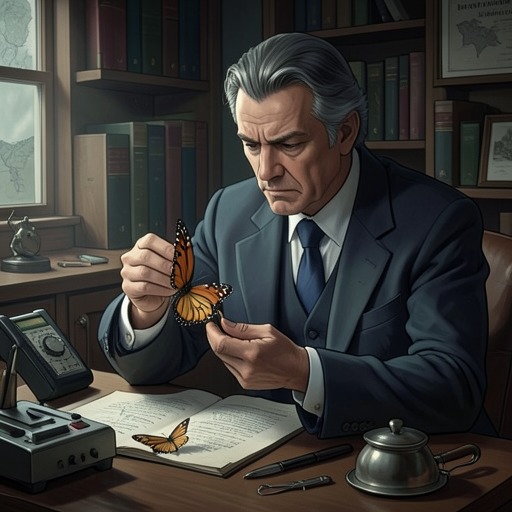
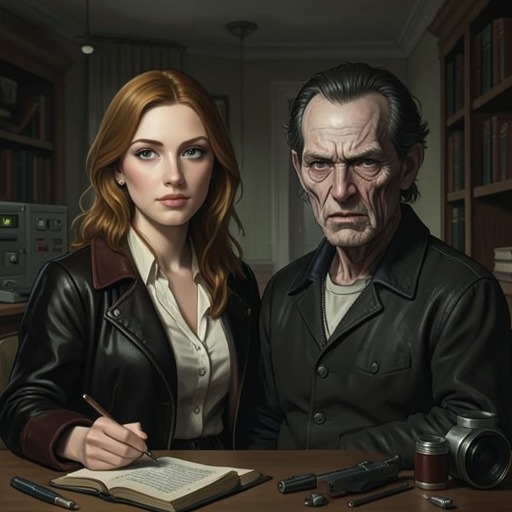
Frederick Clegg is a profoundly isolated man, a product of a loveless upbringing and a rigid class system that has left him resentful and socially inept. His obsession with Miranda is rooted not in love but in a desire to possess beauty and refinement, which he sees as unattainable and superior. He collects butterflies as a hobby, and he treats Miranda as the ultimate specimen to be captured, studied, and preserved. Miranda Grey, by contrast, is vibrant, educated, and politically aware, a young woman who dreams of a career in art and who initially tries to reason with and even reform her captor. Their interactions are a microcosm of the class struggle in post-war Britain: Clegg's envy and sense of inferiority clash with Miranda's liberal ideals and her inability to truly understand his worldview. The novel meticulously charts how their different vocabularies, values, and assumptions create an unbridgeable chasm between them.
Themes of Possession and Control
The central metaphor of the novel is the butterfly collection. Clegg's methodical approach to kidnapping—the careful planning, the selection of the house, the preparation of the cellar room—mirrors the way he pins and mounts butterflies. He seeks to own Miranda's beauty and vitality, to freeze her in a state of perfect, unchanging admiration. Miranda, however, resists this objectification with every fiber of her being. She argues, pleads, attempts to educate Clegg, and even tries to seduce him, all in a desperate effort to be seen as a person rather than a specimen. The novel explores the limits of empathy and the failure of language to bridge the gap between radically different experiences. Clegg's inability to understand Miranda's inner life is not merely a personal failing but a symptom of a deeper, systemic alienation.
The Ending and Its Significance
The novel's conclusion is devastatingly bleak. Miranda falls ill with pneumonia, and Clegg, paralyzed by indecision and fear of discovery, delays calling a doctor until it is too late. She dies in the cellar, alone and terrified. In the epilogue, Clegg, having disposed of her body, begins to plan a new kidnapping, this time targeting another young woman who resembles Miranda. The cycle of possession and destruction is set to repeat. This ending offers no redemption, no moral lesson, and no catharsis. Instead, it leaves the reader with a chilling sense of the banality of evil and the terrifying persistence of obsession. The Collector is not a story about a monster but about a man who sees himself as ordinary, and that ordinariness is what makes the novel so profoundly disturbing.
The novel has seen multiple adaptations across different media. The first was a 1965 feature film of the same name, directed by William Wyler—who notably turned down The Sound of Music to take on this project—and starring Terence Stamp and Samantha Eggar. Later film adaptations include the 1980 Tamil-language film Moodu Pani, the 1986 Filipino film Bilanggo sa Dilim, and the 1997 Finnish drama Neitoperho, all loosely inspired by Fowles's novel. Stage adaptations have also been numerous: a 1971 version by Brian McDermott (writing as David Parker) reached the West End in 1974 with Marianne Faithfull as Miranda; another by Mark Healy premiered in 1998; and a 1997 adaptation by Tim Dalgleish and Caz Tricks was written for the Bare Bones Theatre Company. The novel's cultural influence extends to other works, most notably Stephen King's Misery, where the protagonist fears his captor may be familiar with "John Fowles's first novel." In 2021, Suntup Editions released a limited edition of 1,000 copies featuring an introduction by Bradford Morrow and illustrations by David Álvarez.
Related StoryFlow
 Frederick's Plan and Abduction
 Miranda's Imprisonment and Daily Life
 Frederick's Courtship Attempts
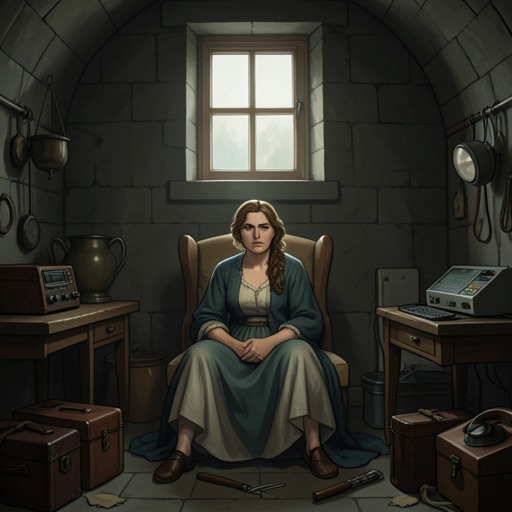 Miranda's Resistance and Escape Attempts
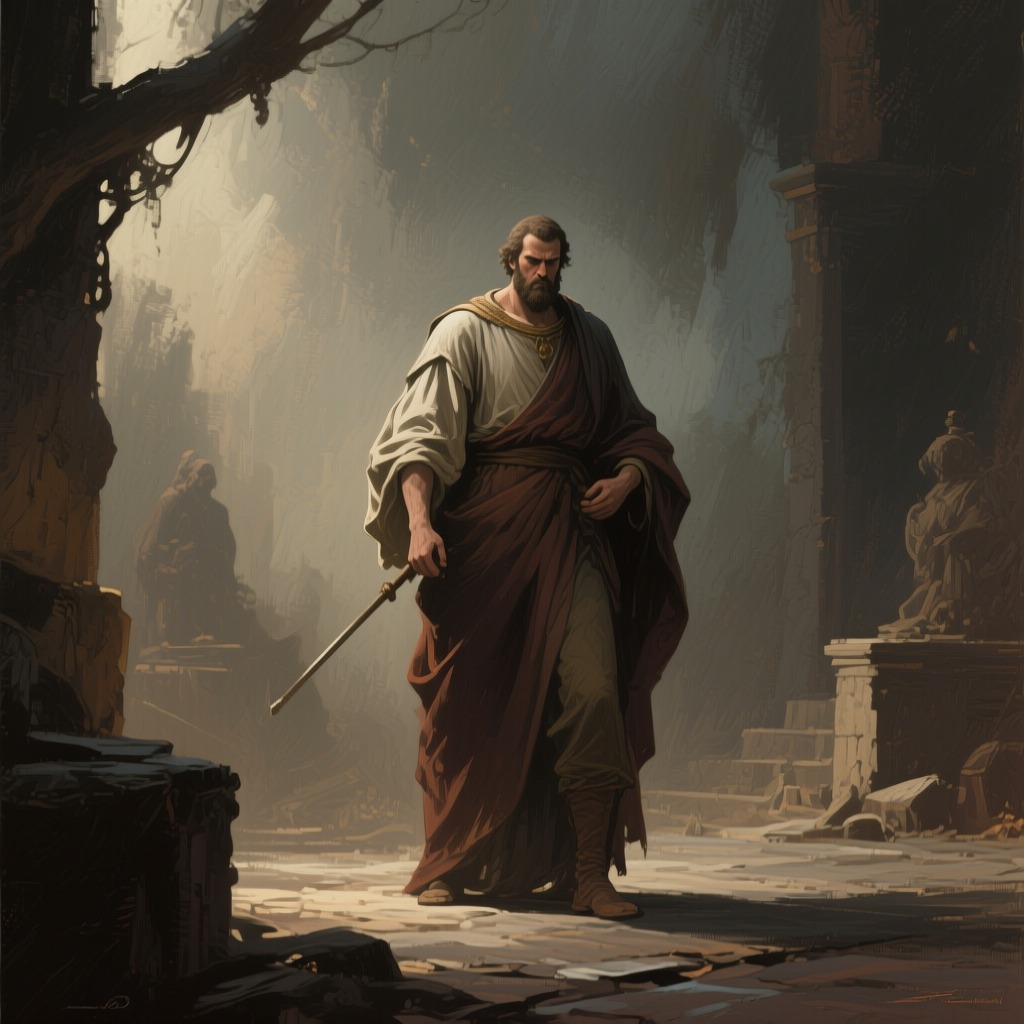 The Tragic End and Aftermath
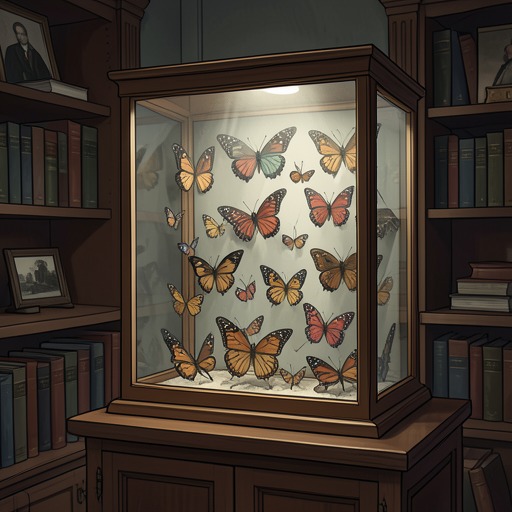 Frederick's Butterfly Collection
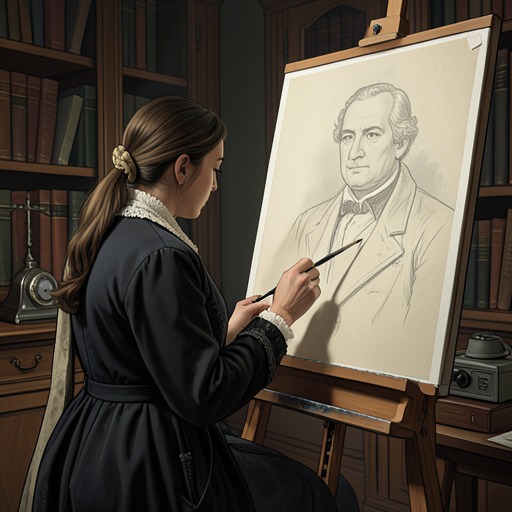 Miranda's Artistic Aspirations
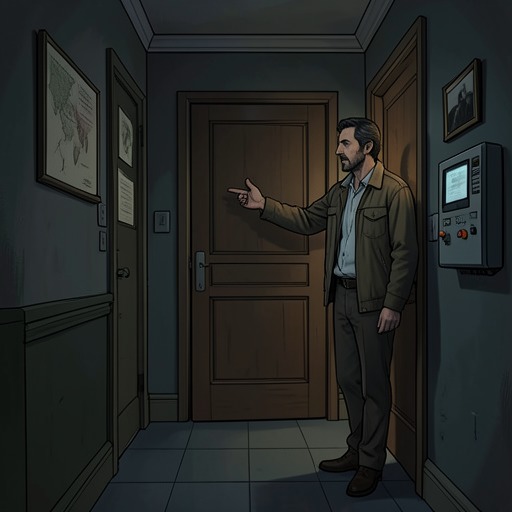 The Diary as a Window
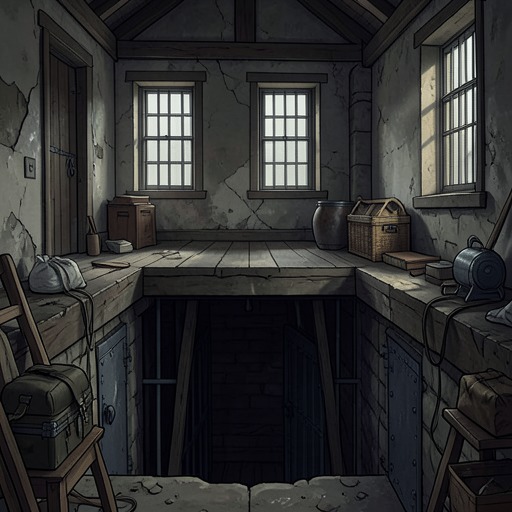 The House and Cellar as Prison
 The Police and Society's Indifference
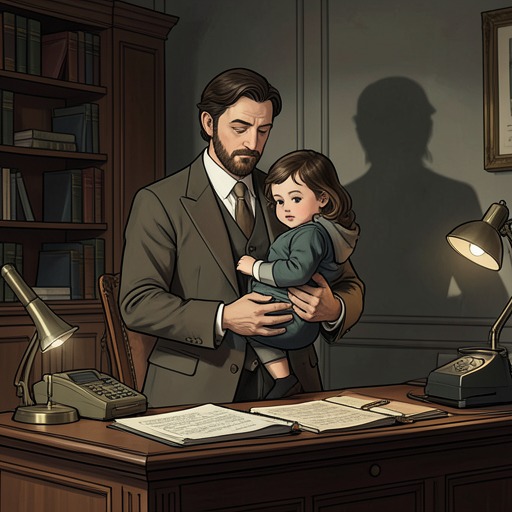 Frederick's Transformation from Clerk to Captor
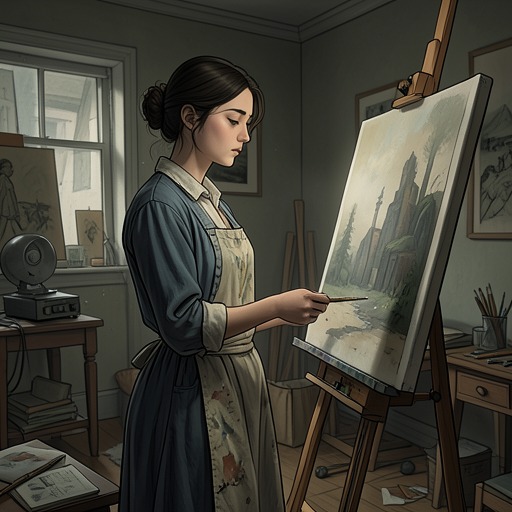 Miranda's Tragic Fate
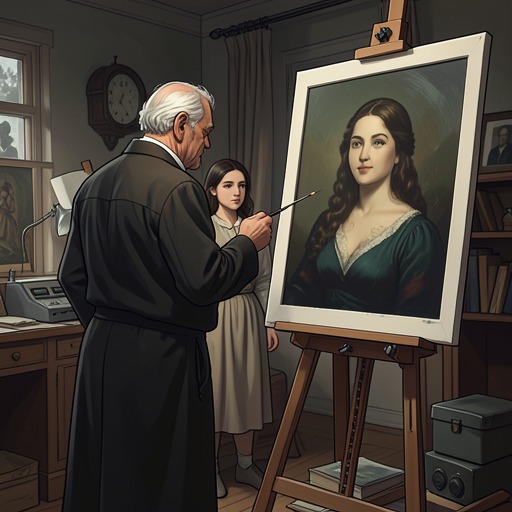 George Paston's Influence
 Mabel's Role in Frederick's Life
 The Butterfly as Symbol of Miranda's Fate
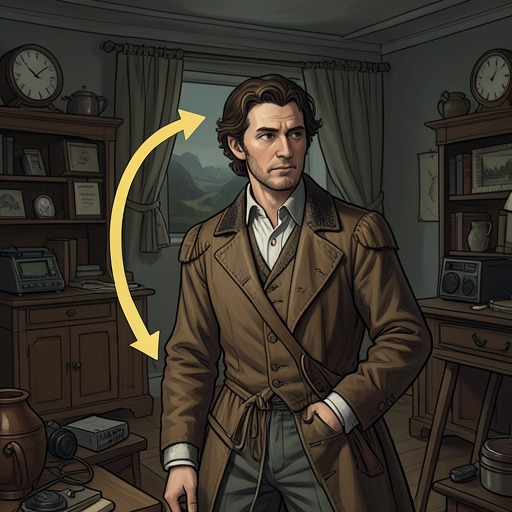 Power Struggle Between Captor and Captive
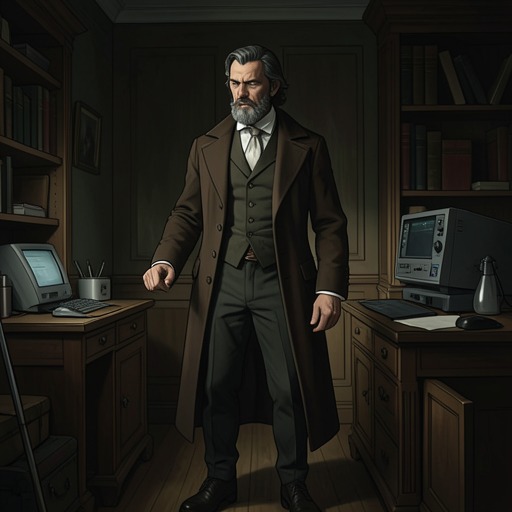 Frederick's Internal Conflict
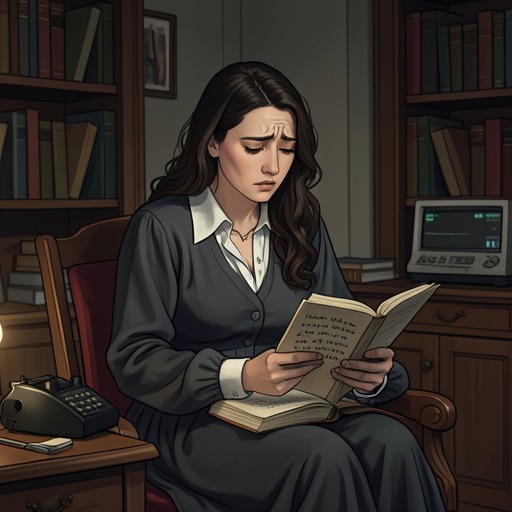 Miranda's Internal Conflict
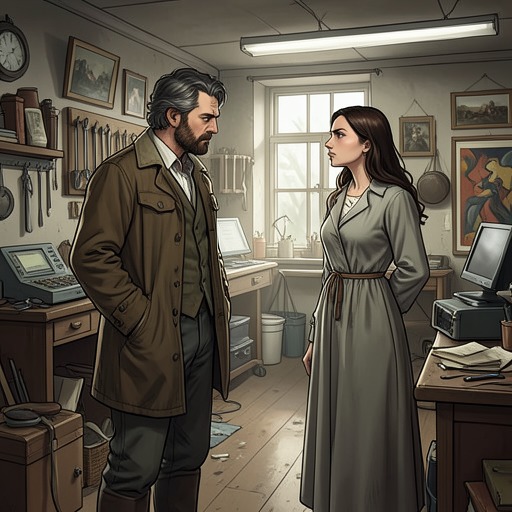 Class Conflict Between Frederick and Miranda
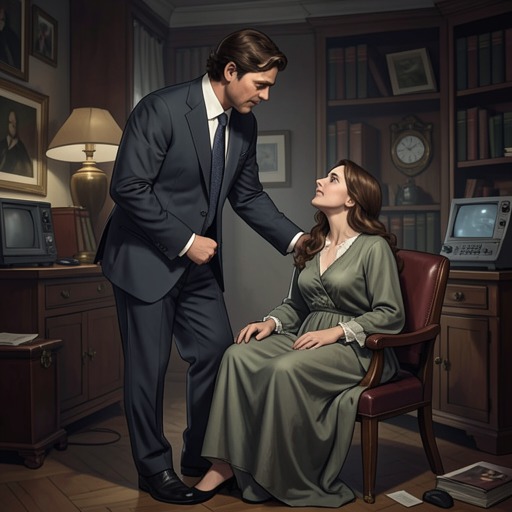 Gender Conflict: Male Dominance vs. Female Resistance
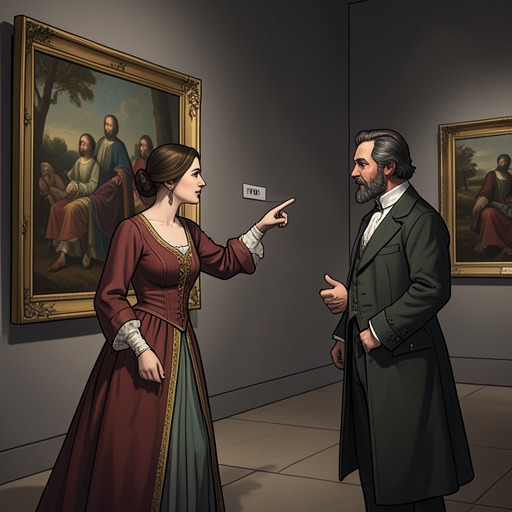 The Conflict Between Art and Commerce
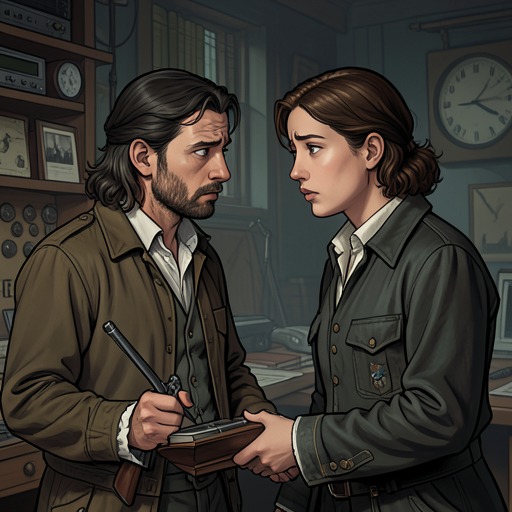 Frederick's Obsessive Love for Miranda
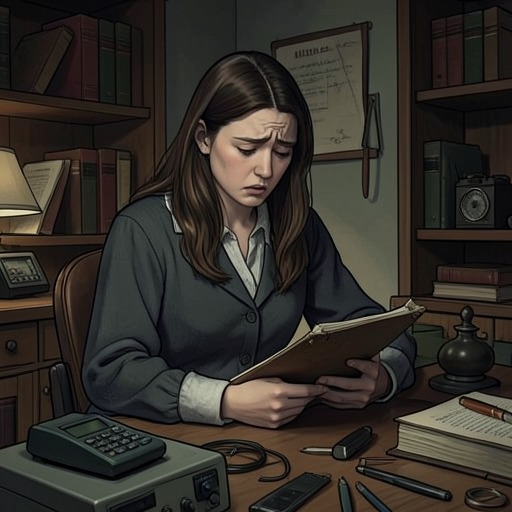 Miranda's Complex Feelings Toward Frederick
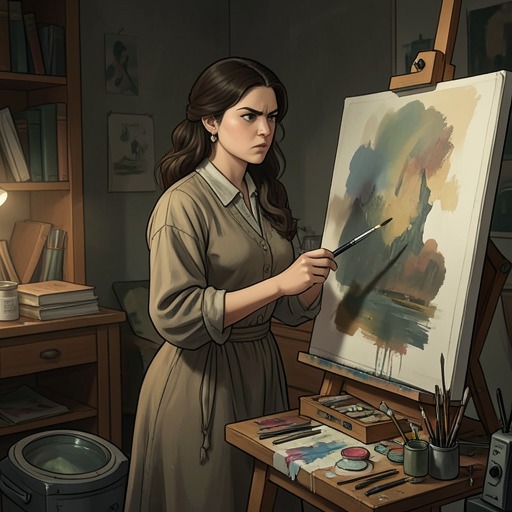 The Bond Between Miranda and Her Art
 Frederick's Bond with His Butterflies
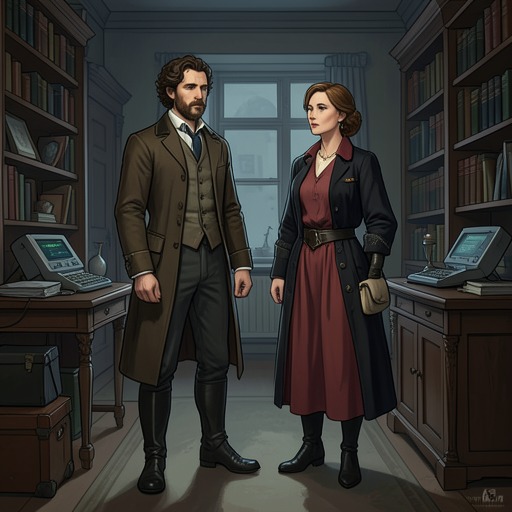 The Absence of Genuine Emotional Connection
 The Collector Mentality and Its Consequences
 The Nature of Beauty and Ugliness
 The Theme of Freedom and Captivity
 Class and Culture Critique
 The Role of Art in Life and Death