
Atticus's Defense of Tom Robinson
To Kill a MockingbirdThe central legal case that exposes Maycomb's racial injustice and tests the Finch family's moral integrity.
increasing Bearing strength in each event
 decreasing
Bearing strength in each eventdecreasingAtticus Accepts the Case
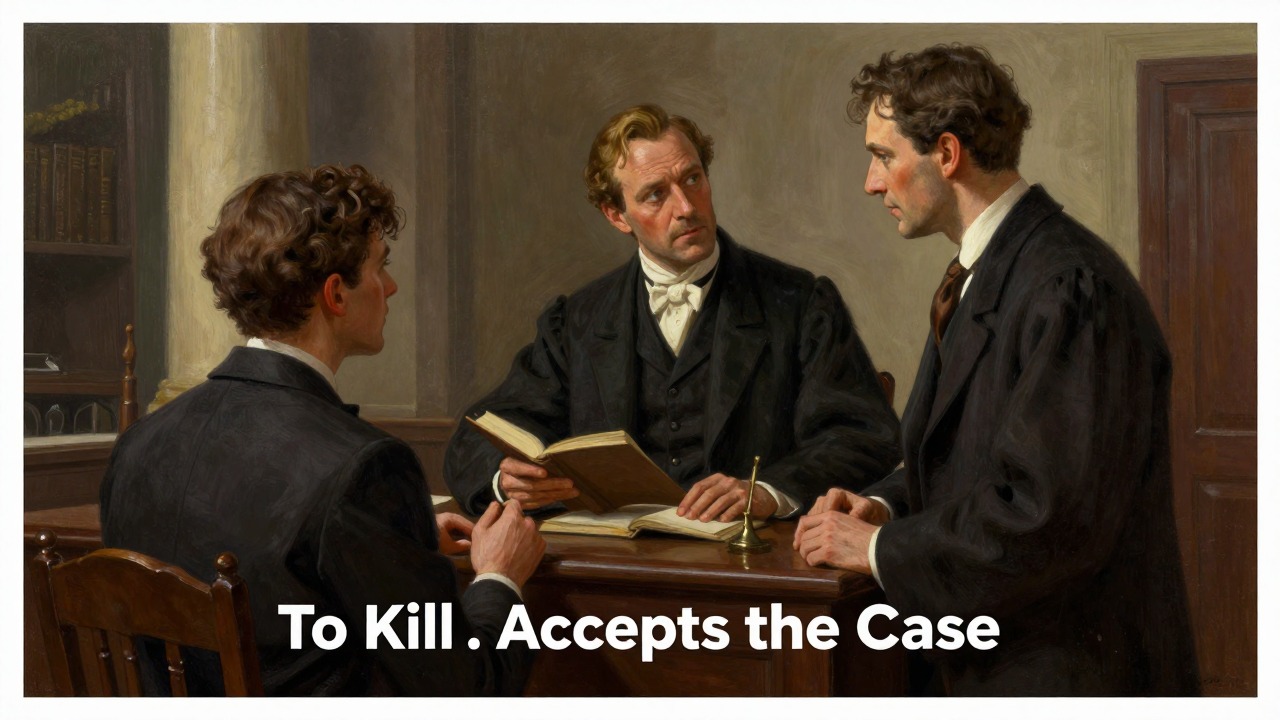
Atticus Accepts the Case
The Decision
Atticus Finch, a respected lawyer in Maycomb, is assigned by Judge John Taylor to defend Tom Robinson, a black man accused of raping a white woman. Despite knowing the case is unwinnable in a racist town, Atticus takes it because his conscience demands it. He explains to Scout that he cannot hold his head up or represent the county in the legislature if he refuses.
The Burden
Atticus tells his brother Jack that the case is the worst of its kind—a black man's word against the Ewells'. He hopes to get Jem and Scout through it without bitterness, and without catching "Maycomb's usual disease." He knows the jury will likely convict, but he intends to jar them a bit and hopes for an appeal.
The Weight of Honor
Atticus's decision puts him at odds with the town. He tells Scout that sometimes we have to make the best of things, and that the way we conduct ourselves when the chips are down matters. He wants his children to come to him for answers instead of listening to the town's prejudice.
Town Gossip Erupts
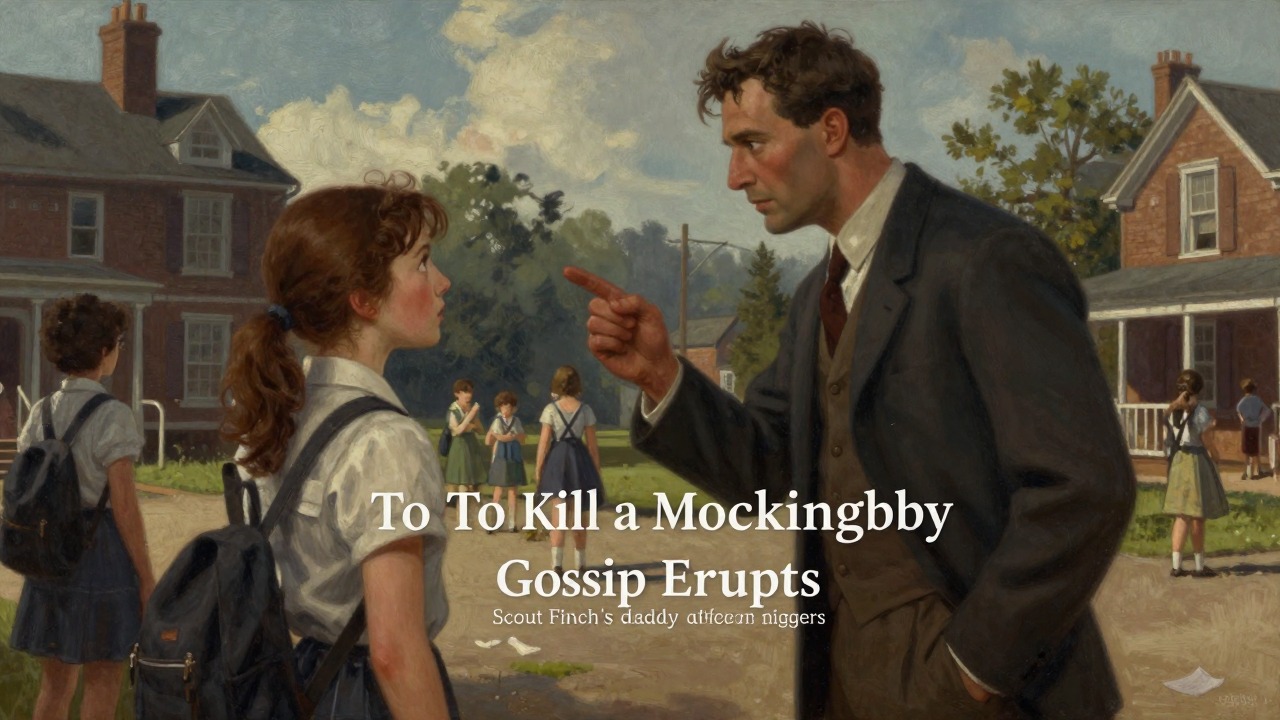
Town Gossip Erupts
The Schoolyard Taunt
Cecil Jacobs announces in the schoolyard that Scout Finch's daddy defends niggers. Scout denies it but later asks Atticus. He confirms he does, and explains that he is defending Tom Robinson. He tells Scout to hold her head high and keep her fists down—no matter what anyone says.
The Community's Judgment
Atticus's decision provokes widespread disapproval. Mrs. Dubose shouts that he is no better than the niggers and trash he works for. Francis Hancock calls Atticus a nigger-lover, claiming it mortifies the family. The town's contempt is palpable, and the Finch children become targets.
The Children's Burden
Scout and Jem have to absorb the ugly talk. Atticus warns them to keep their heads, especially with the trial approaching. Jem struggles to maintain his temper, and Scout learns to walk away from fights, though she still fights when family honor is at stake.
Christmas Conflict
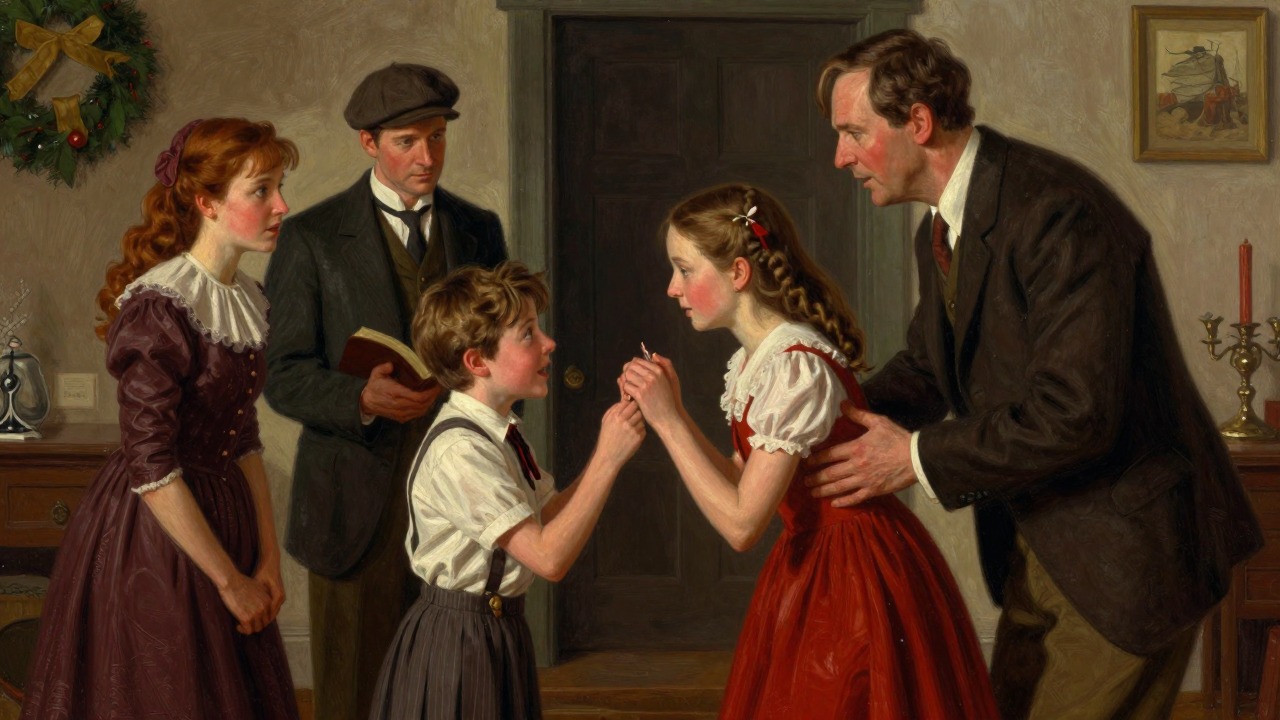
Christmas Conflict
The Family Gathering
At Finch's Landing, Aunt Alexandra, Uncle Jimmy, and Francis Hancock host Christmas. Francis taunts Scout about Dill and then calls Atticus a nigger-lover. Scout attacks him, splitting her knuckle. Uncle Jack punishes her without hearing her side.
The Lesson Learned
Later, Uncle Jack learns the truth from Scout and apologizes. Atticus and Jack discuss the trial—Atticus says the case is hopeless but he must try. He reveals that he hopes his children will trust him enough to come to him for answers.
The Price of Integrity
Scout's fight shows her fierce loyalty. Atticus's quiet conversation with Jack reinforces his commitment to justice. The family tension underscores the moral divide between the Finches and the wider community.
Church Collection for Helen
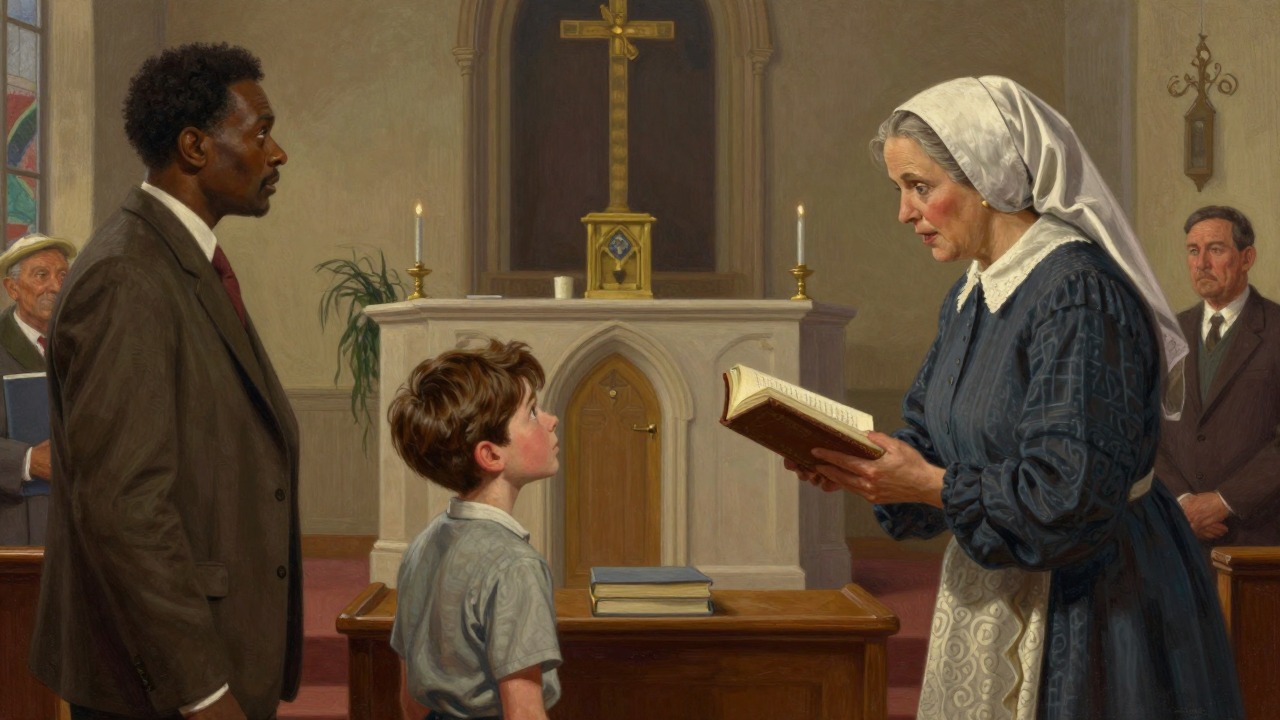
Church Collection for Helen
Calpurnia's Invitation
With Atticus away and Dill absent, Calpurnia takes Jem and Scout to her church, First Purchase African M.E. Church. They are initially challenged by Lula, but Reverend Sykes welcomes them.
The Collection
Reverend Sykes announces a collection for Tom Robinson's wife, Helen, who cannot find work because of the accusation. He locks the doors until ten dollars is raised. The congregation gives generously despite their own poverty.
The Community's Solidarity
The church's support for the Robinson family contrasts with the white community's hostility. Scout sees firsthand the impact of the accusation on an innocent family. The experience deepens her understanding of the injustice.
Preparations for the Trial
Preparations for the Trial
Aunt Alexandra's Arrival
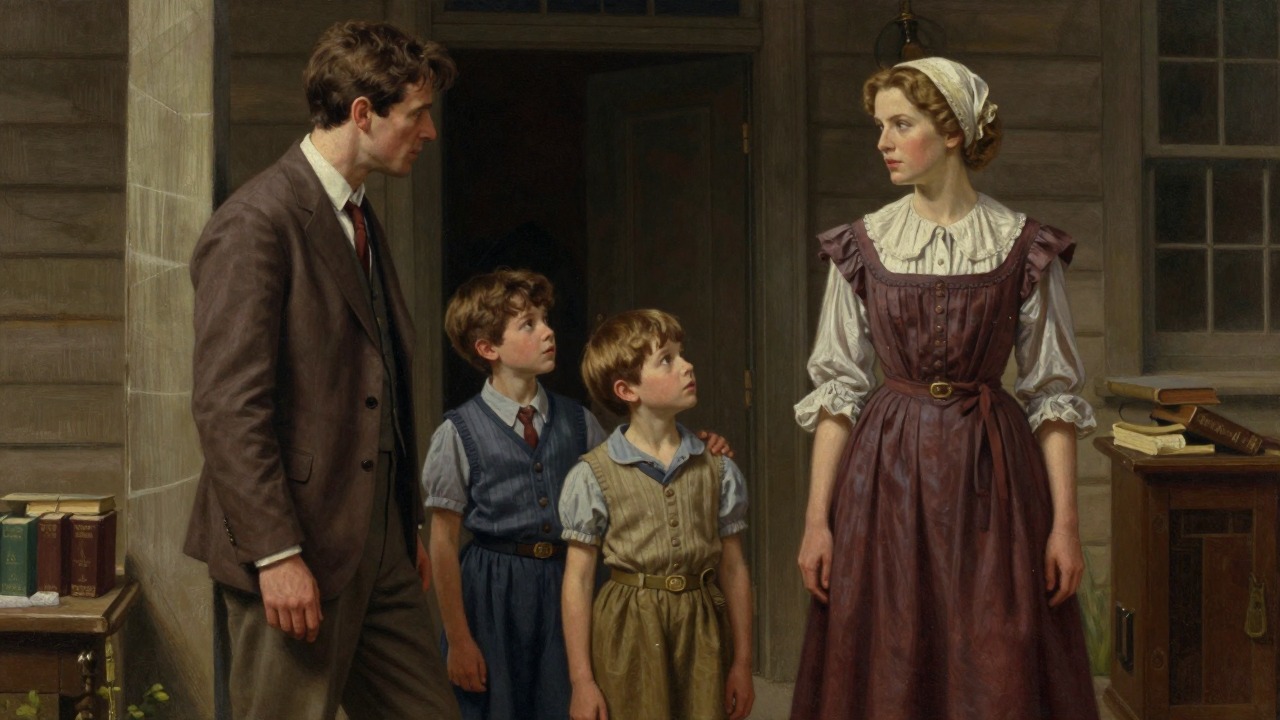
Aunt Alexandra moves in to provide feminine influence and uphold family dignity. She pressures Atticus to instill pride in the children about their lineage. Atticus awkwardly tries to explain the importance of being a Finch, but the children sense his discomfort.
The Growing Tension
As the trial approaches, the town's anxiety mounts. Miss Maudie and others support Atticus, but the general mood is hostile. Jem and Scout are exposed to the town's prejudice daily.
Atticus's Resolve
Atticus remains calm, focusing on his duty. He tells Scout that the one thing that doesn't abide by majority rule is a person's conscience. This principle guides him through the coming storm.
The Trial's Prelude
The Trial's Prelude
The Night Before
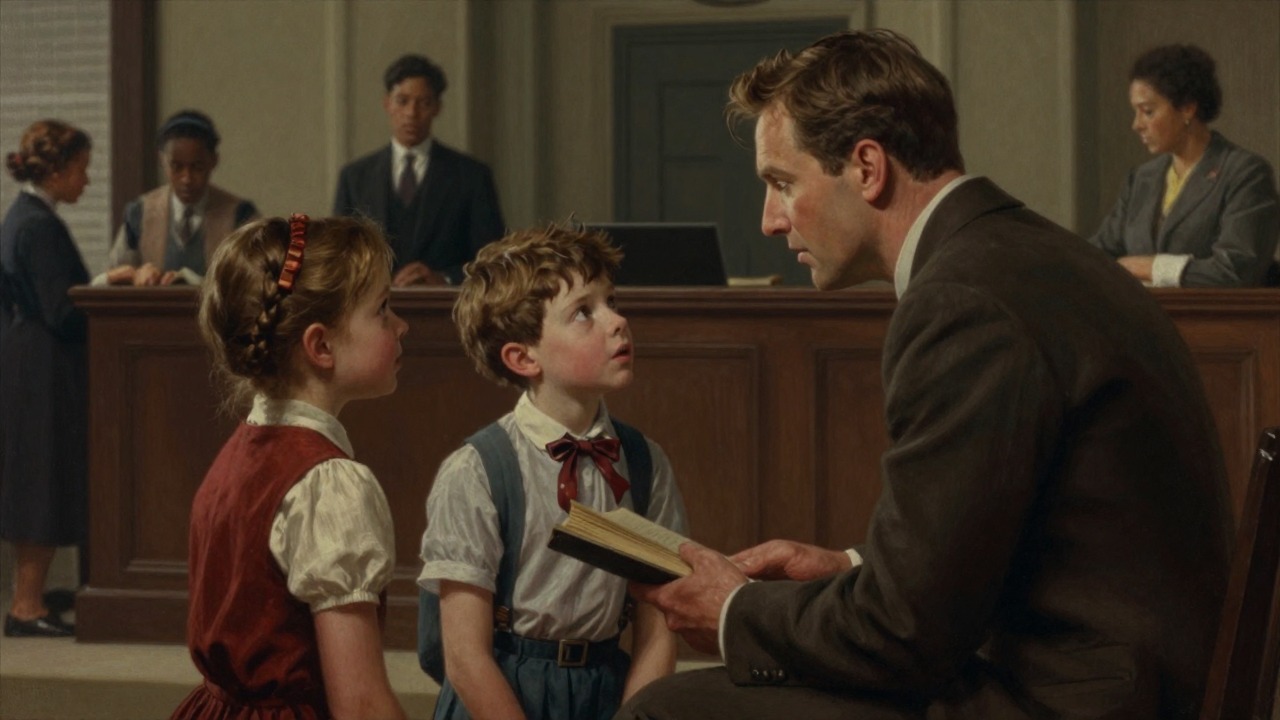
Atticus is called to the state legislature, leaving the children in Calpurnia's care. The town is abuzz with the upcoming trial. Dill is expected to arrive soon, and Jem and Scout sense the gravity of the moment.
The Children's Worry
Scout overhears Atticus and Jack discussing the case. Atticus says the evidence is a black man's word against the Ewells', and the jury will likely convict. He hopes to get the children through without bitterness.
The Stage Is Set
The trial looms as a test of Maycomb's soul. Atticus's quiet courage and the children's growing awareness set the stage for the climactic courtroom scenes.
early in the story, before the main events
after Atticus accepts the case, before Christmas
Christmas at Finch's Landing
summer, before the trial
late spring, after Aunt Alexandra's arrival
just before the trial begins
