
The Finch Family's Moral Education
To Kill a MockingbirdAtticus's lessons in courage, empathy, and integrity shape Jem and Scout's moral development.
increasing Bearing strength in each event
 decreasing
Bearing strength in each eventdecreasingThe Mockingbird Rule
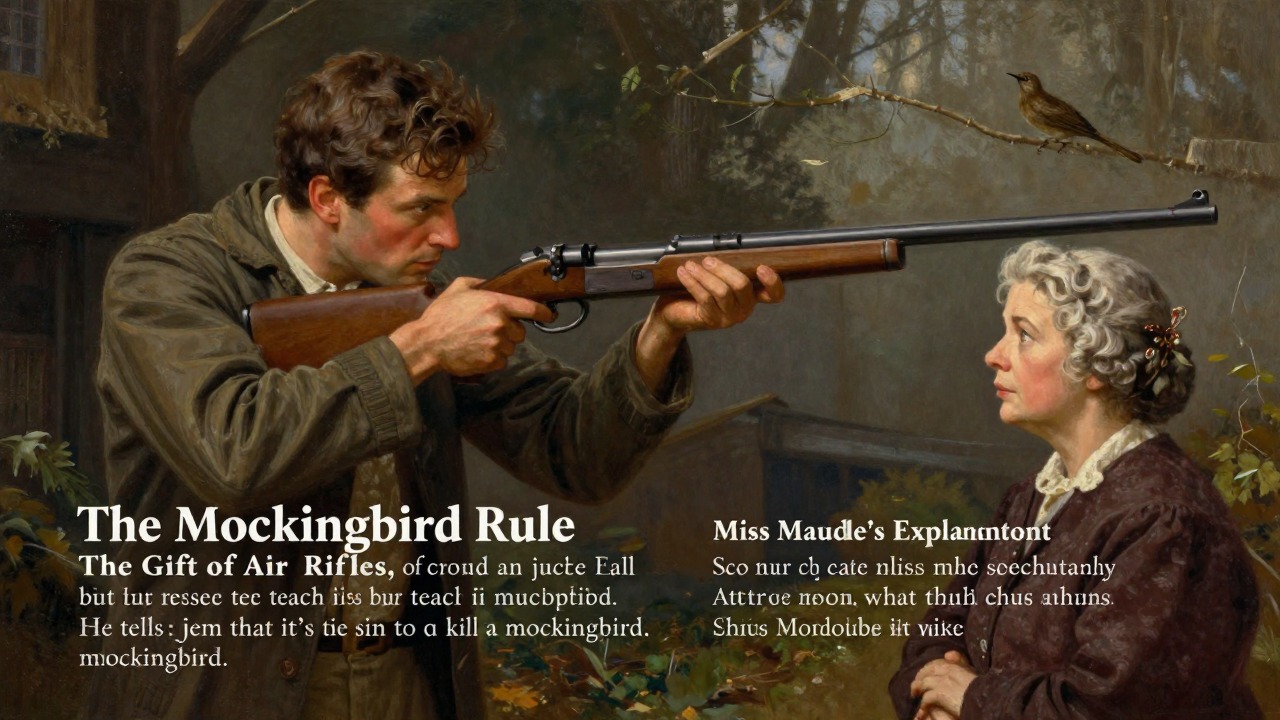
The Mockingbird Rule
The Gift of Air Rifles
Atticus gives Jem and Scout air rifles for Christmas, but he refuses to teach them to shoot. He tells Jem that it's a sin to kill a mockingbird.
Miss Maudie's Explanation
Scout asks Miss Maudie what Atticus means. She explains that mockingbirds do nothing but sing for us; they don't harm anyone. It's a sin to kill a mockingbird because they are innocent.
The Moral Lesson
This rule becomes a central metaphor for the novel. It teaches the children to protect the innocent and to recognize that some beings are pure and deserving of protection. The lesson extends to Tom Robinson and Boo Radley.
Walking in Someone Else's Skin
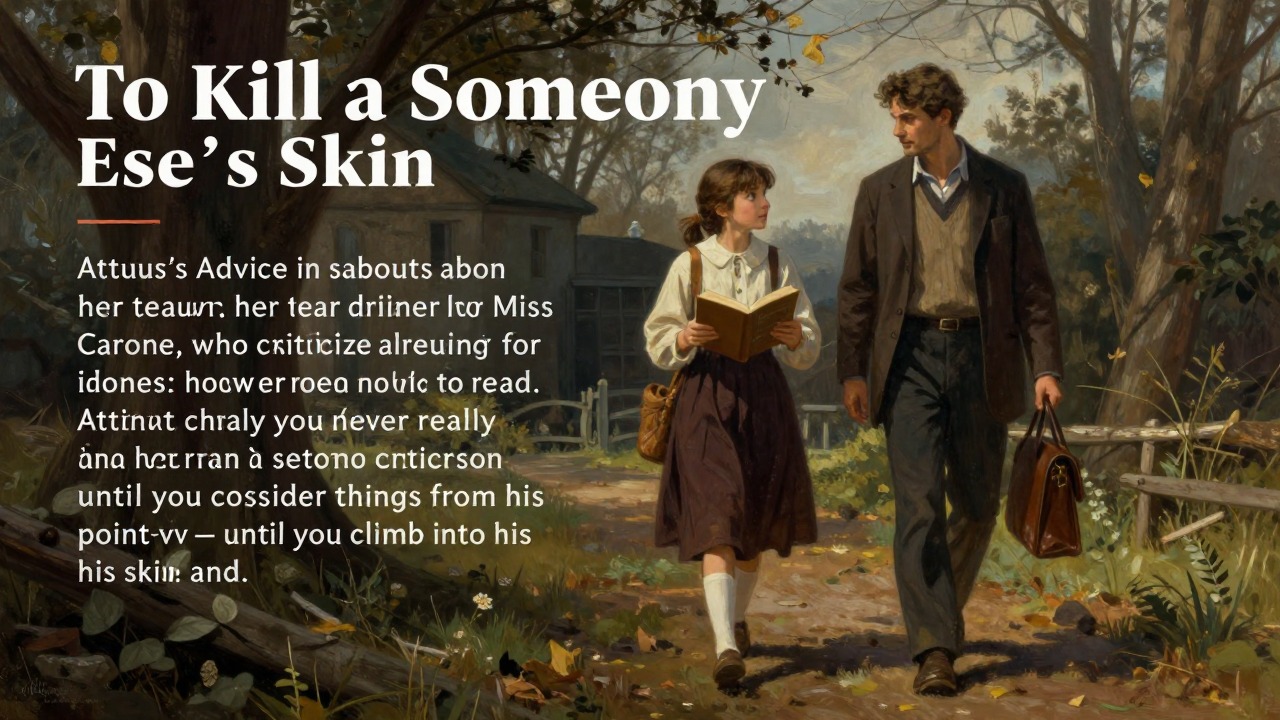
Walking in Someone Else's Skin
Atticus's Advice
Scout complains about her teacher, Miss Caroline, who criticizes her for already knowing how to read. Atticus tells her that you never really understand a person until you consider things from his point of view—until you climb into his skin and walk around in it.
The Principle of Empathy
This advice becomes Scout's guiding principle. She learns to apply it to Boo Radley, Mrs. Dubose, and others. It underpins her moral growth.
The Practical Application
Scout tries to see things from her teacher's perspective. Although she struggles, the lesson sticks. Atticus's words echo throughout the novel, shaping the children's ability to empathize.
The Lesson of Restraint
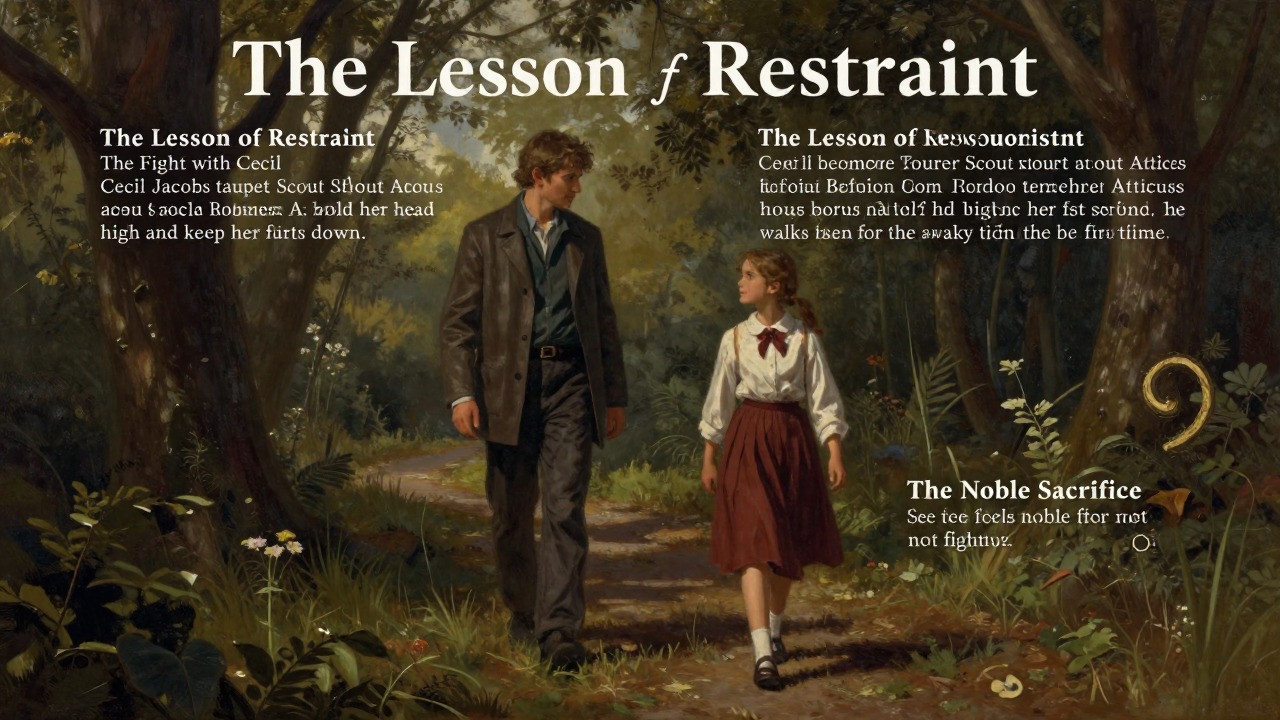
The Lesson of Restraint
The Fight with Cecil
Cecil Jacobs taunts Scout about Atticus defending Tom Robinson. Scout remembers Atticus's request to hold her head high and keep her fists down. She walks away for the first time.
The Noble Sacrifice
Scout feels noble for not fighting, but later she attacks Francis for the same insult. Atticus teaches her that fighting with her head is better than using her fists. He tells her that she must learn to control her temper.
The Importance of Self-Control
Atticus's lesson is about dignity and restraint. He wants Scout to understand that violence is not the answer, even when provoked. This lesson is crucial for the coming trial, where the children will face intense prejudice.
Courage in the Face of Defeat
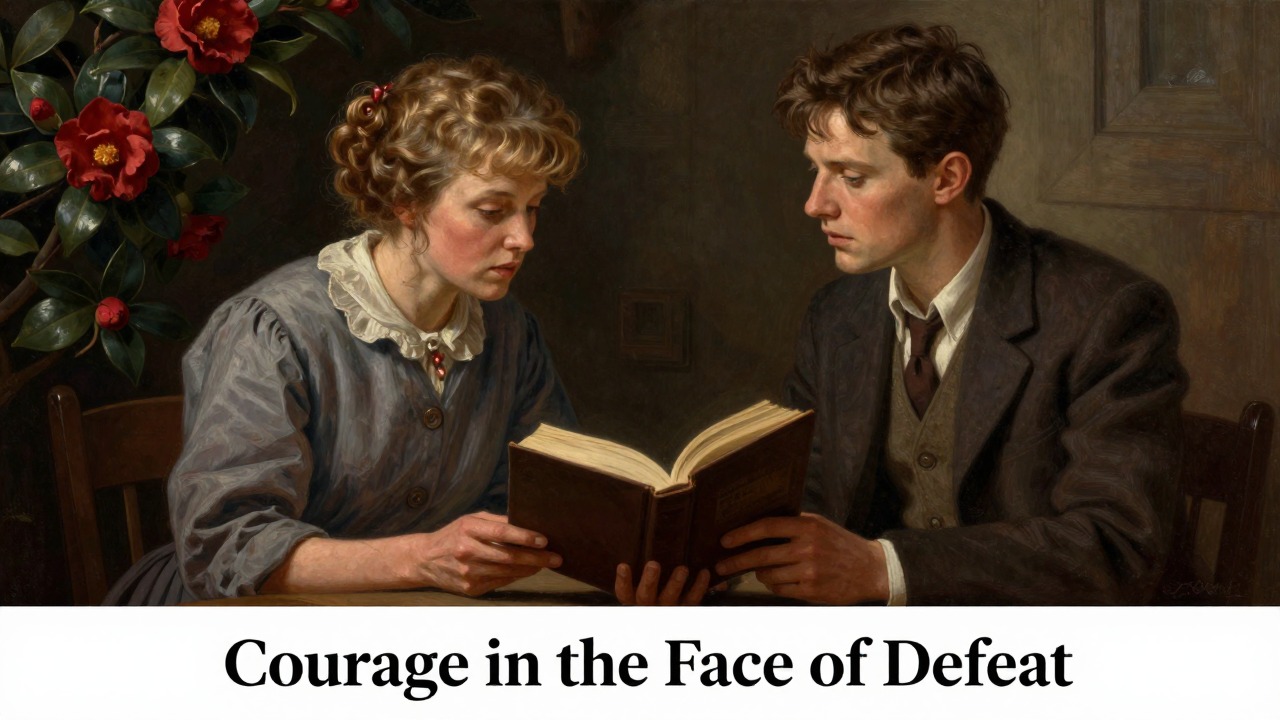
Courage in the Face of Defeat
The Reading Sessions
Jem is forced to read to Mrs. Dubose as punishment for destroying her camellias. He discovers she is a morphine addict trying to break her addiction before dying.
Atticus's Definition of Courage
Atticus tells Jem that Mrs. Dubose was the bravest person he ever knew. He explains that courage is not a man with a gun; it's knowing you're licked before you begin but beginning anyway and seeing it through.
The Lasting Impact
Jem learns that true courage is moral strength. He sees that Mrs. Dubose, despite her hateful words, had the courage to free herself from addiction. This lesson redefines bravery for Jem and Scout.
The One-Shot Finch Revelation
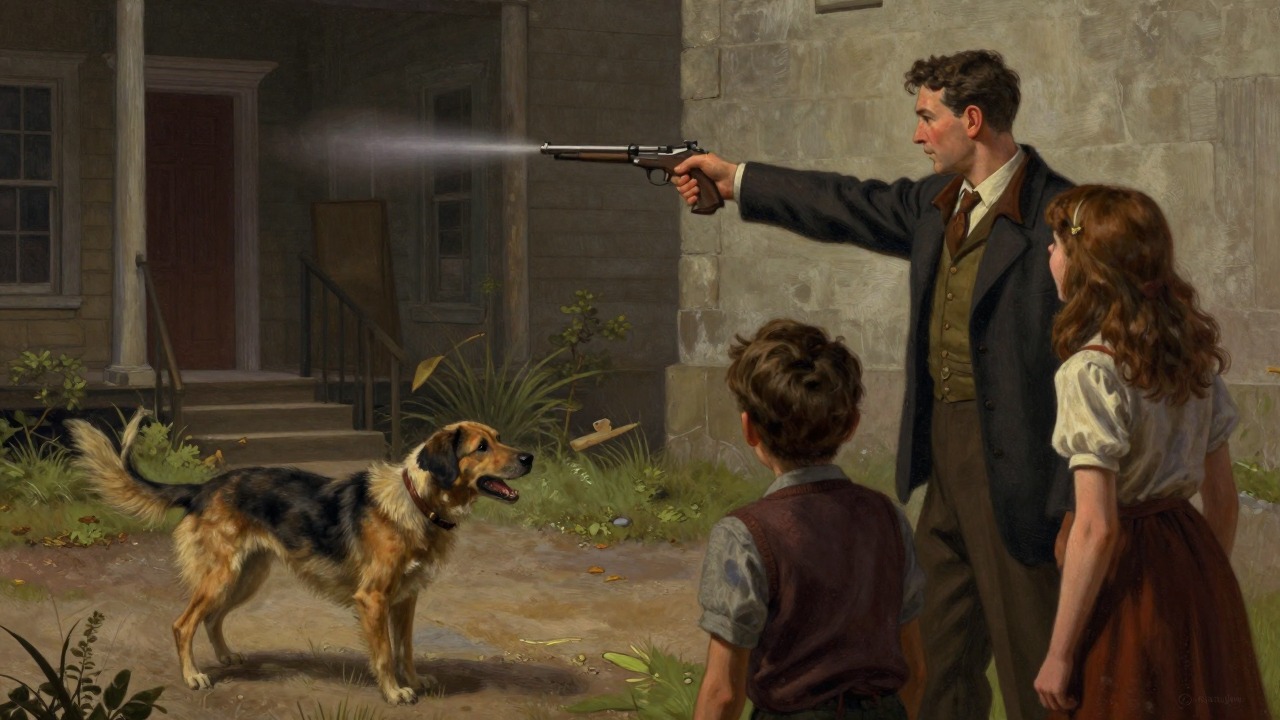
The One-Shot Finch Revelation
The Mad Dog Incident
When a rabid dog, Tim Johnson, staggers down the street, Sheriff Heck Tate insists that Atticus shoot it. Atticus, who has not touched a gun in thirty years, kills the dog with one shot.
The Children's Shock
Jem and Scout are stunned. They had always thought Atticus was feeble and useless. Miss Maudie tells them that Atticus was the deadest shot in Maycomb County, known as "One-Shot Finch."
The Lesson of Humility
Atticus never told them because he does not pride himself on a talent that gives him an unfair advantage over living things. Jem learns that Atticus is a gentleman who does not boast. The incident changes their perception of their father's quiet strength.
when the children receive air rifles
early in the story, during Scout's school troubles
after Scout's fight with Cecil Jacobs
after Jem's reading punishment for Mrs. Dubose
the day Atticus shoots the mad dog
