
Atticus's Moral Integrity
To Kill a MockingbirdAtticus's unwavering commitment to justice and his quiet strength, even in the face of personal cost.
increasing Bearing strength in each event
 decreasing
Bearing strength in each eventdecreasingThe Decision to Defend Tom
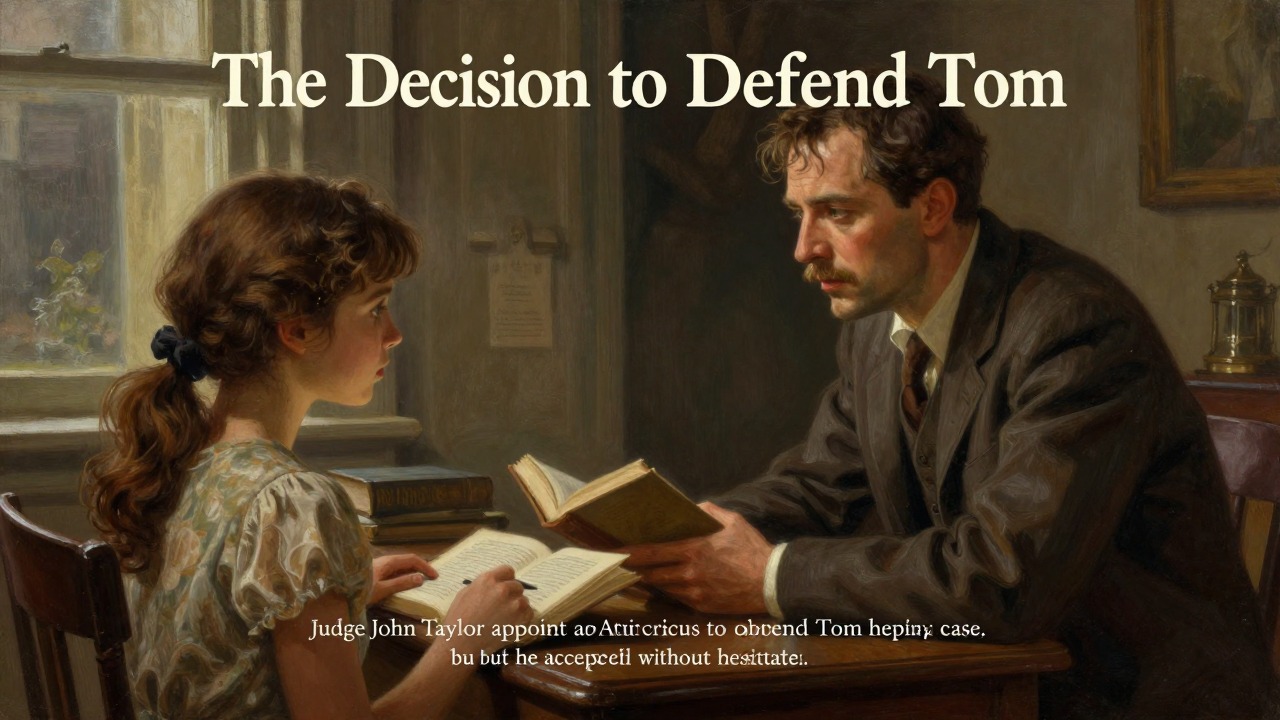
The Decision to Defend Tom
The Assignment
Judge John Taylor appoints Atticus to defend Tom Robinson. Atticus knows it is a hopeless case, but he accepts without hesitation.
The Reason
He tells Scout that if he didn't, he couldn't hold up his head in town, represent the county, or tell his children not to do something again. His integrity is paramount.
The Personal Cost
Atticus knows he will face the town's anger. He is prepared to lose friends and endure insults. He does it because it is the right thing.
The Shooting of the Mad Dog
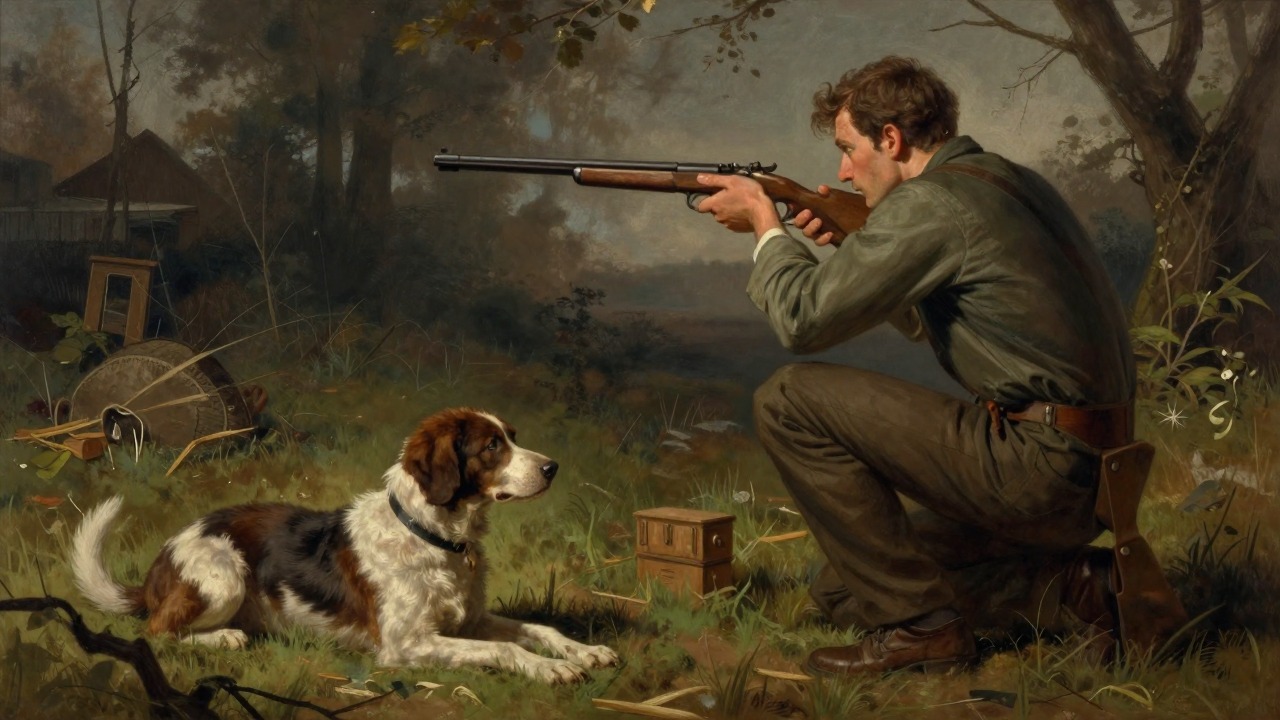
The Shooting of the Mad Dog
The Hidden Skill
Atticus is revealed to be an expert marksman, known as "One-Shot Finch." He has not touched a gun in thirty years.
The Humility
He never told his children because he does not take pride in a talent that gives him an unfair advantage. He values humility over boasting.
The Lesson
Jem and Scout learn that their father is a man of quiet strength. He uses his skills only when necessary, not for show.
The Confrontation with the Mob
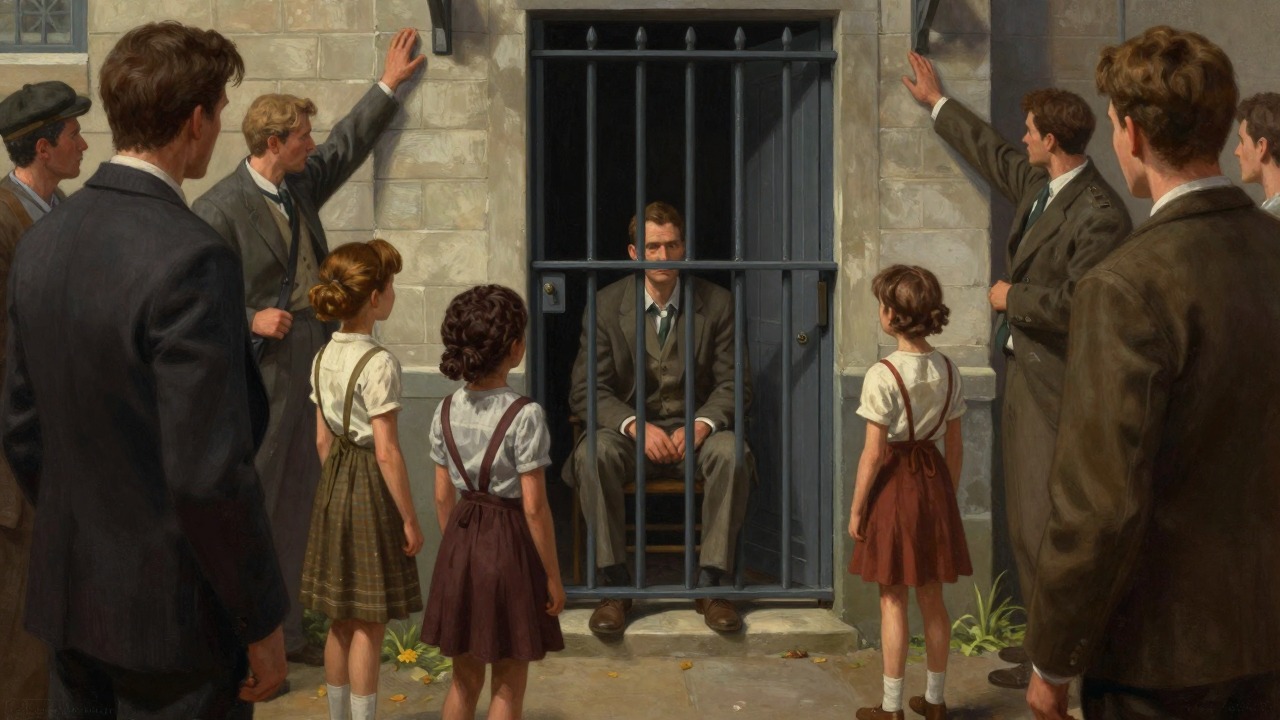
The Confrontation with the Mob
The Threat
A mob gathers to lynch Tom Robinson. Atticus goes to the jail and sits outside, guarding the door. He is calm and unarmed.
The Children's Intervention
Scout, Jem, and Dill arrive. Scout talks to Mr. Cunningham, shaming him into leaving. Atticus's courage is physical and moral.
The Aftermath
Atticus tells the children that mobs are made of people, and that Mr. Cunningham is still a man. He does not hold a grudge.
The Courtroom Defense
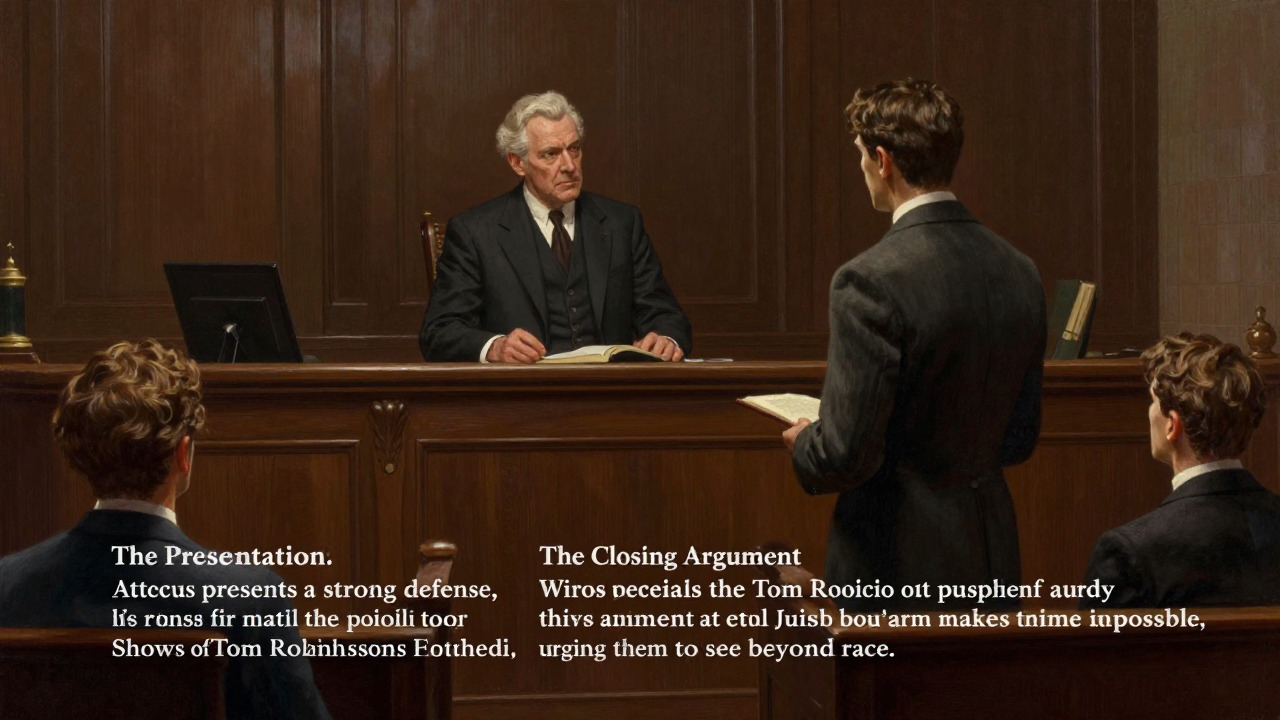
The Courtroom Defense
The Presentation
Atticus presents a strong defense, pointing out the inconsistencies in the Ewells' story. He shows that Tom Robinson's crippled arm makes the crime impossible.
The Closing Argument
He appeals to the jury's sense of justice, urging them to see beyond race. He says that the court is the great leveler, and that all men are equal in the courtroom.
The Loss
Despite his efforts, the jury convicts. Atticus is disappointed but not surprised. He had hoped for a hung jury, but the system is stacked against Tom.
The Aftermath and Reflection
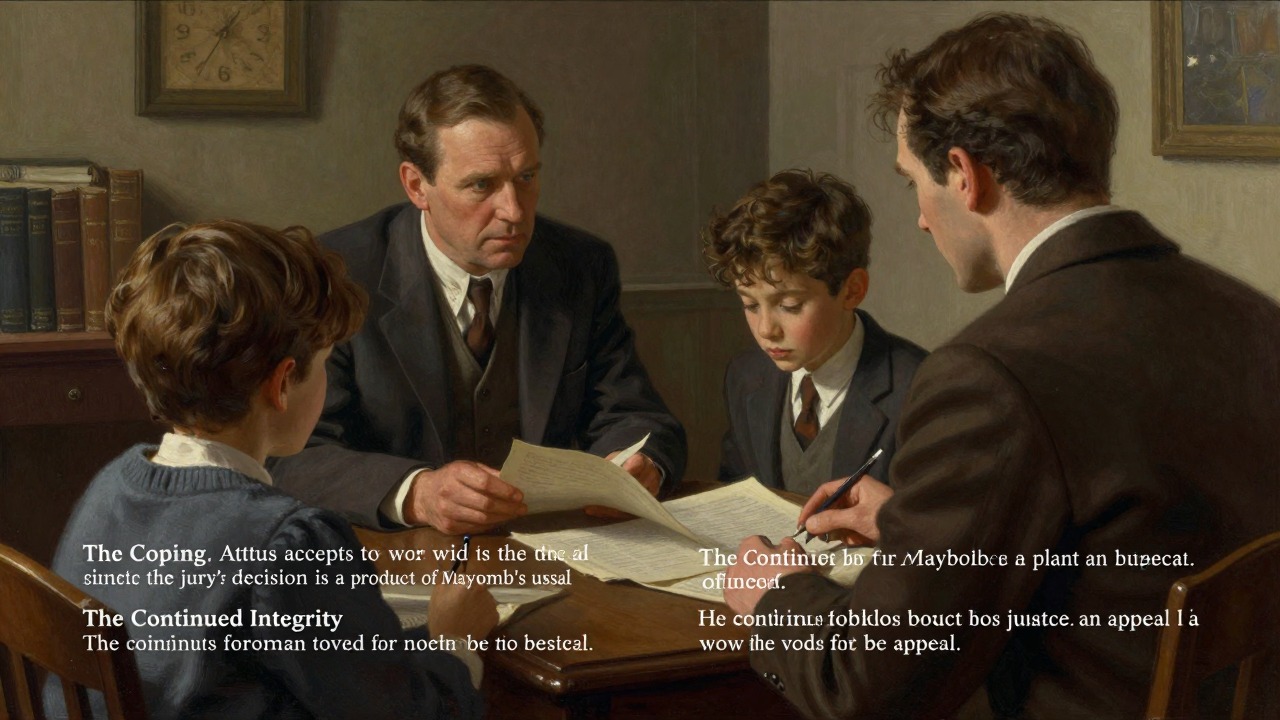
The Aftermath and Reflection
The Coping
Atticus accepts the verdict with dignity. He tells his children that the jury's decision is a product of Maycomb's usual disease. He does not become bitter.
The Continued Integrity
He continues to work for justice. He plans an appeal. He does not let the verdict shake his faith in the law.
The Legacy
Atticus's integrity inspires his children. He remains a moral compass for them. He teaches them that even in defeat, one can hold onto one's principles.
before the story begins
February afternoon
the night before the trial
during the trial
after the trial
