Pierre Aronnax
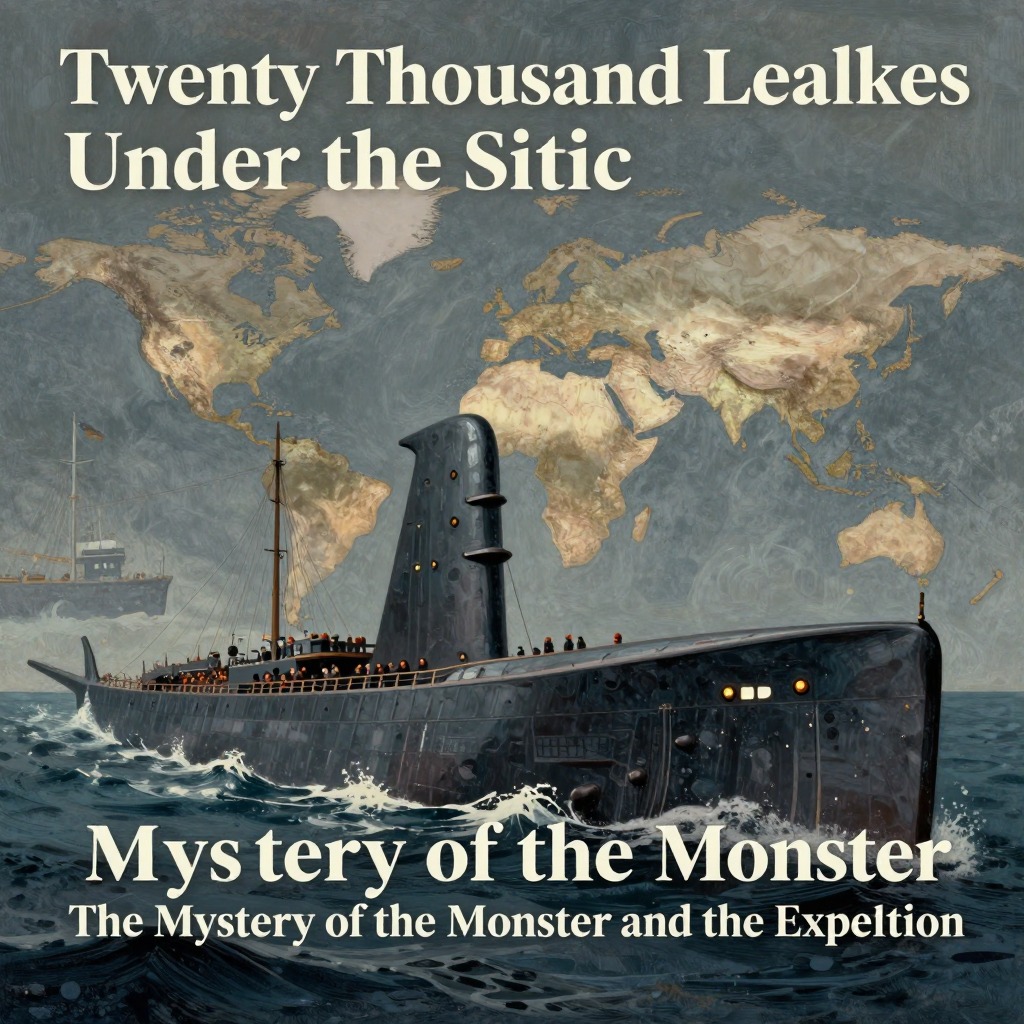
Twenty Thousand Leagues Under the SeaPierre Aronnax, a professor of natural history at the Paris Museum, is the narrator and protagonist of Twenty Thousand Leagues Under the Sea. A distinguished scientist whose expertise in marine biology leads him to join the hunt for a mysterious sea monster, he becomes an unwilling passenger aboard the Nautilus, where his dual identity as a captive and a scholar drives the novel's central tension between the pursuit of knowledge and the desire for freedom.
Identity and Background
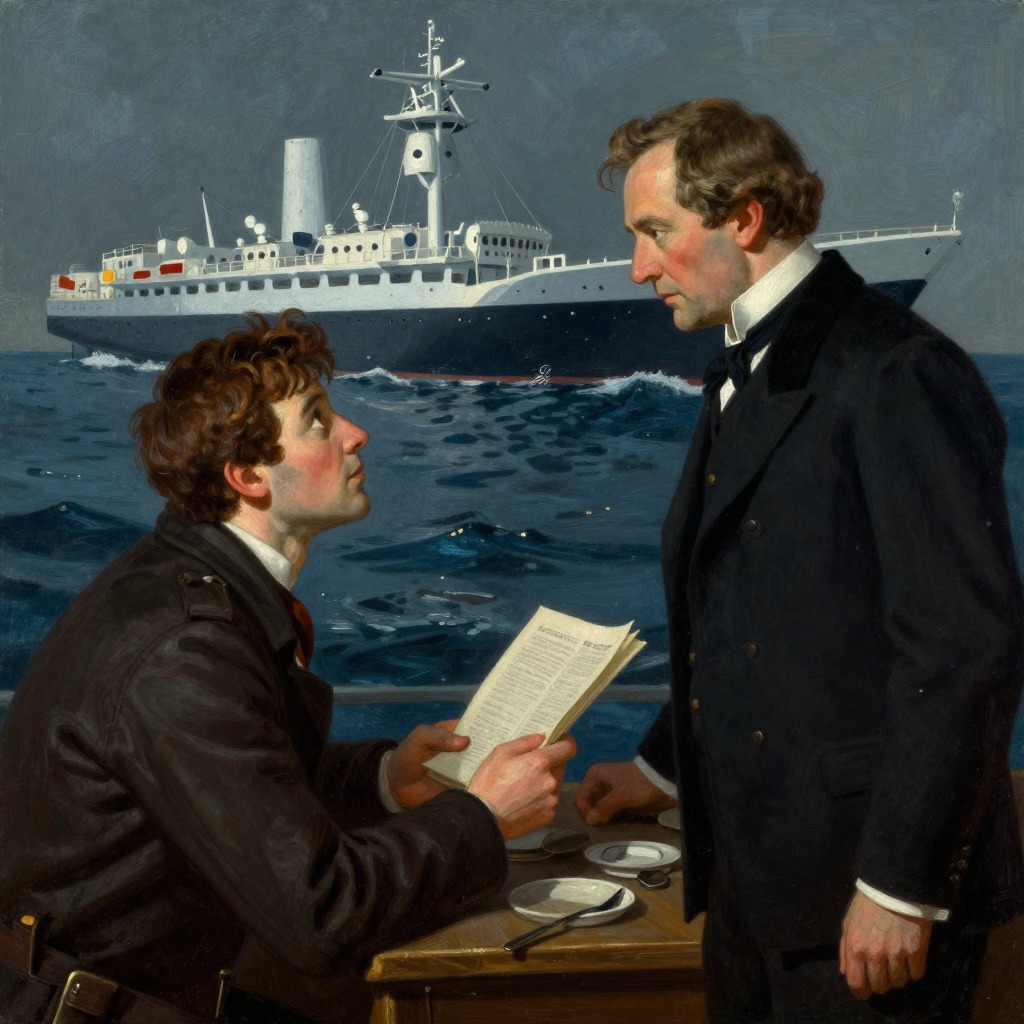
Aronnax is introduced as an assistant professor at the Paris Museum of Natural History, a specialist in a "pretty obscure field of natural history" who has published a two-volume work in quarto entitled The Mysteries of the Great Ocean Depths. His scientific reputation is such that The New York Herald summons him to formulate his views on the mysterious sea phenomenon of 1866. He is a man of forty, a former hospital physician who practiced for several years before joining the museum, and his intellectual curiosity is his defining trait. His manservant Conseil, a devoted Flemish lad of thirty, has accompanied him on all his journeys for the past ten years, and their relationship is one of mutual respect and professional reliance.
Life and Plot Trajectory
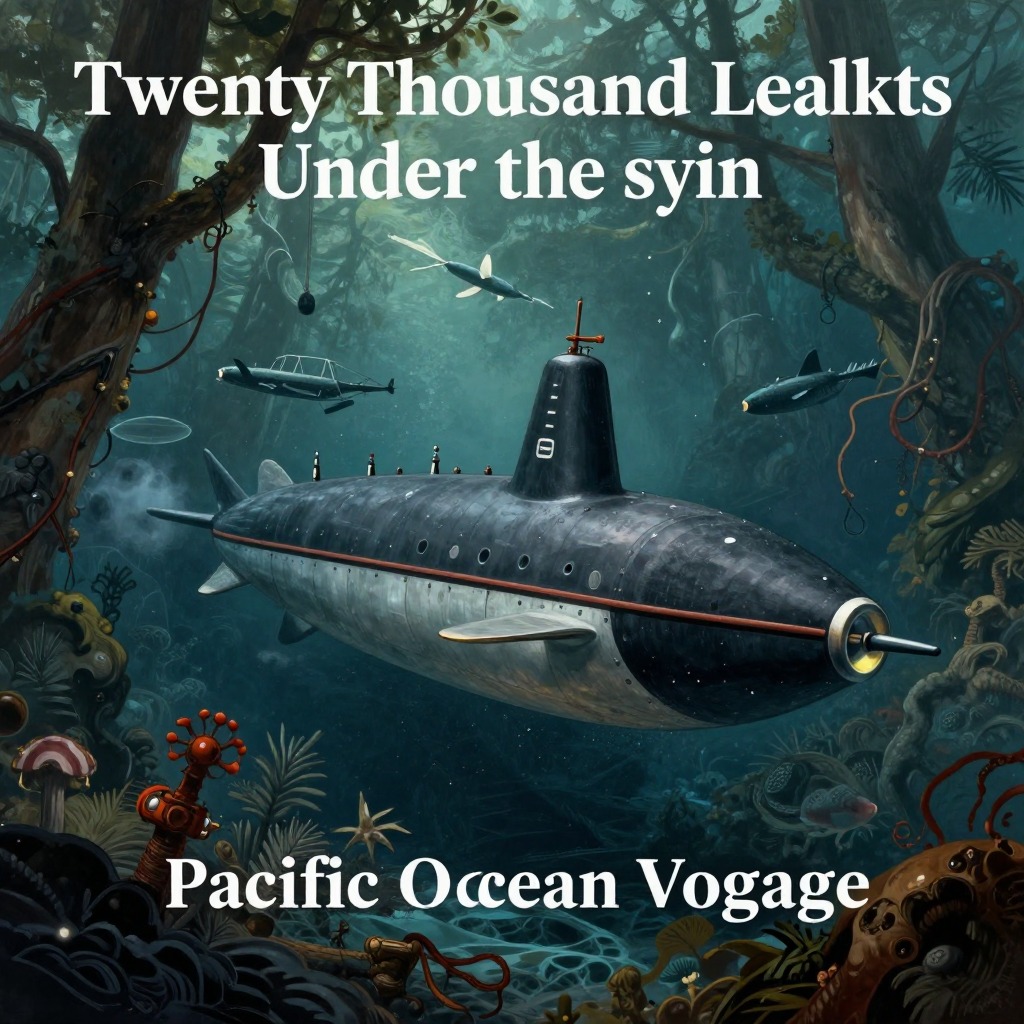
Aronnax's journey begins when he accepts an invitation from J. B. Hobson, the U.S. Secretary of the Navy, to join the Abraham Lincoln's expedition to hunt the sea monster. After the frigate's collision with the Nautilus, he is thrown overboard and rescued by Conseil and Ned Land, only to be captured by Captain Nemo. From that moment, he becomes a prisoner-guest on the Nautilus, a role he accepts with a mixture of scientific fascination and moral unease. Over the course of ten months, he travels 20,000 leagues across the world's oceans, witnessing wonders that no human being has ever seen before: underwater forests, the lost continent of Atlantis, the South Pole, and the coral cemetery where Nemo buries his dead. His narrative is a faithful record of this inconceivable expedition, written on paper manufactured from marine eelgrass.
Key Actions and Objectives
Aronnax's primary objective is scientific observation and documentation. He spends his days studying the marine life that passes before the lounge windows, classifying fish, zoophytes, and mollusks with the help of Conseil. He is an eager student of Captain Nemo's lectures on the sea's properties, the Nautilus's technology, and the ocean's geological and biological wonders. He participates in underwater excursions, including the hunting trip in the Crespo Island forests, the pearl fisheries of Ceylon, and the exploration of Atlantis. His scientific passion often overrides his desire for freedom, leading him to argue with Ned Land against immediate escape. However, he is also a man of conscience, and his horror at Nemo's acts of vengeance—particularly the sinking of the warship—ultimately drives him to join the final escape attempt.
Relationships and Conflict
Aronnax's relationship with Captain Nemo is the novel's central dynamic. He is alternately fascinated and horrified by the captain, whom he describes as a "Man of the Waters" and a "Spirit of the Seas." Nemo respects Aronnax's scientific mind, offering him access to the Nautilus's library and the freedom to observe, but he also keeps him imprisoned, declaring that "whomever boards the Nautilus must never leave it." Aronnax's relationship with Ned Land is one of mutual respect and tension: the Canadian harpooner is impatient for escape, while Aronnax is reluctant to leave the voyage unfinished. Conseil remains a loyal and stoic companion, providing emotional and practical support. The conflict between Aronnax's scientific curiosity and his moral revulsion at Nemo's methods is the engine of his character arc.
Change and Ending
Aronnax undergoes a profound transformation over the course of the voyage. He begins as a detached scientist, eager to observe and classify, but he is gradually drawn into the moral complexities of Nemo's world. The sight of the sunken warship, the Avenger, and Nemo's subsequent act of mass execution shatter his neutrality. He becomes an unwilling eyewitness to vengeance, and his horror at the scene drives him to join Ned Land's final escape. After surviving the Maelstrom, he finds himself in a fisherman's hut on the Lofoten Islands, where he composes his narrative. He ends the novel not as a triumphant explorer but as a man haunted by what he has seen, hoping that Nemo's hate may be appeased and that the scientist may continue his peaceful exploration of the seas.
Narrative Role and Evaluation
Aronnax serves as the reader's surrogate, a scientifically literate observer who translates the wonders of the deep into comprehensible terms. His narrative voice is that of a chronicler, not a hero, and his moral ambivalence gives the novel its depth. He is a man caught between two worlds: the world of science, which demands detachment and observation, and the world of human suffering, which demands engagement and action. His final reflection—that he has earned the right to speak of these seas—is both a claim to authority and a confession of the limits of that authority. He is, ultimately, a man who has seen too much to remain unchanged, and his narrative is a testament to the transformative power of the sea.