
The Conflict Between Nastenka and Grandmother
White NightsThe tension between Nastenka's desire for freedom and her grandmother's restrictive control, especially through the pin.
increasing Bearing strength in each event
 decreasing
Bearing strength in each eventdecreasingThe Pin as a Symbol of Conflict
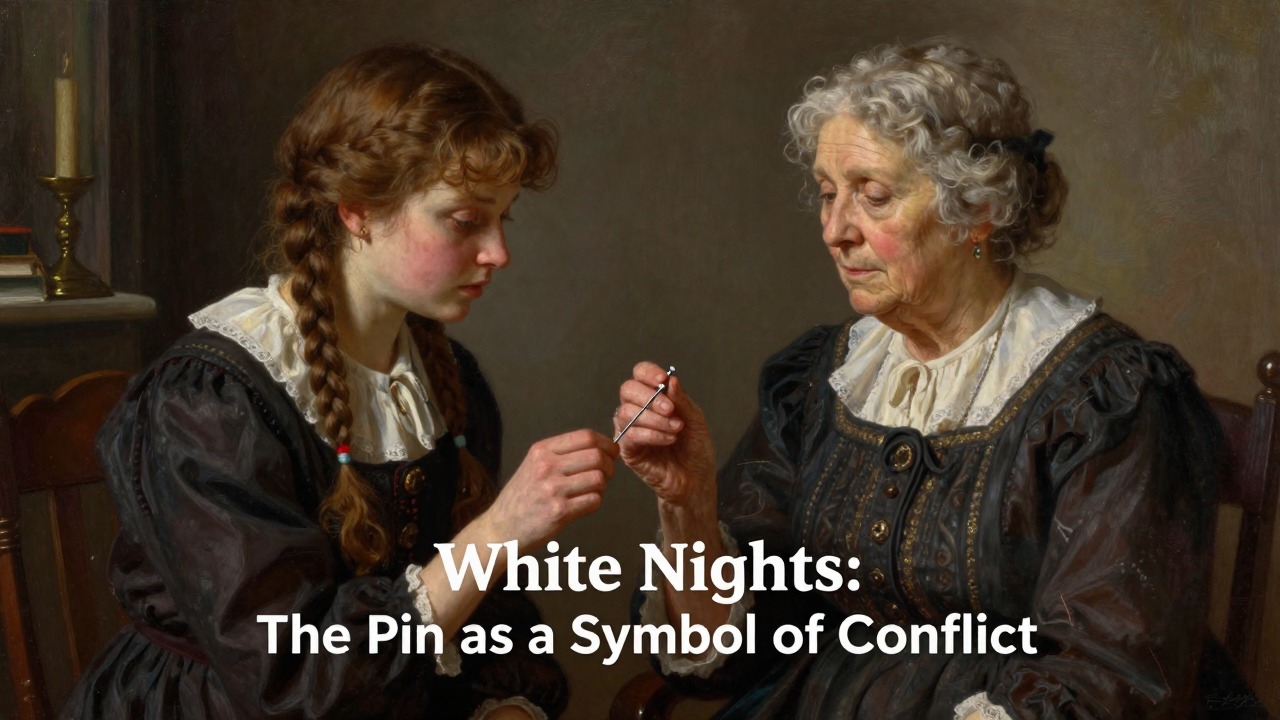
The Pin as a Symbol of Conflict
An Imposed Bondage
The pin physically ties Nastenka to her grandmother. She cannot move without permission, and her every action is monitored.
Nastenka's Resentment
Though she loves her grandmother, Nastenka feels suffocated. She dreams of independence, of a life where she can choose her own path.
The Grandmother's Fear
The grandmother's control stems from her blindness and fear of the world. She believes she is protecting Nastenka, but she is also imprisoning her.
The Secret Correspondence
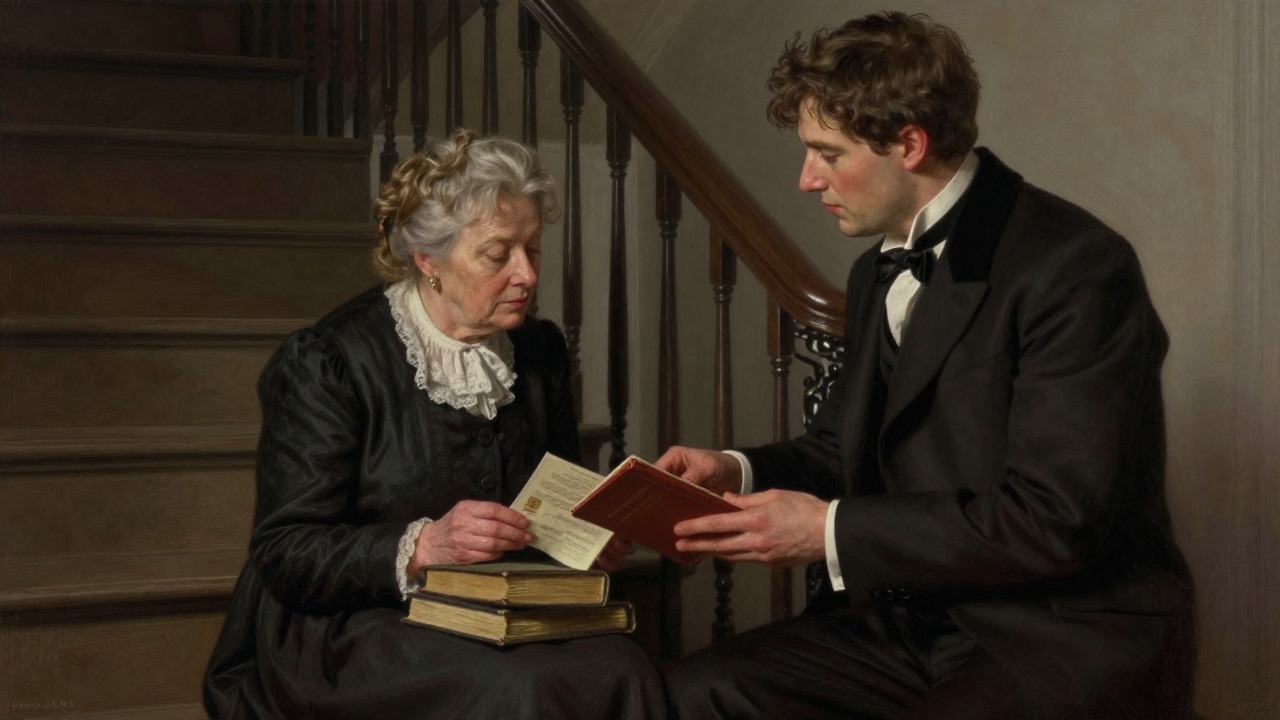
The Secret Correspondence
Hidden Meetings
Nastenka meets the lodger on the stairs and exchanges words without her grandmother's knowledge. She keeps the books and the opera invitation secret.
A Double Life
She becomes adept at deceiving her grandmother, even though it makes her feel guilty. The conflict between obedience and love grows.
The Risk of Discovery
She lives in constant fear that her grandmother will find out about her feelings for the lodger. The pin is both a physical and emotional restraint.
The Final Liberation
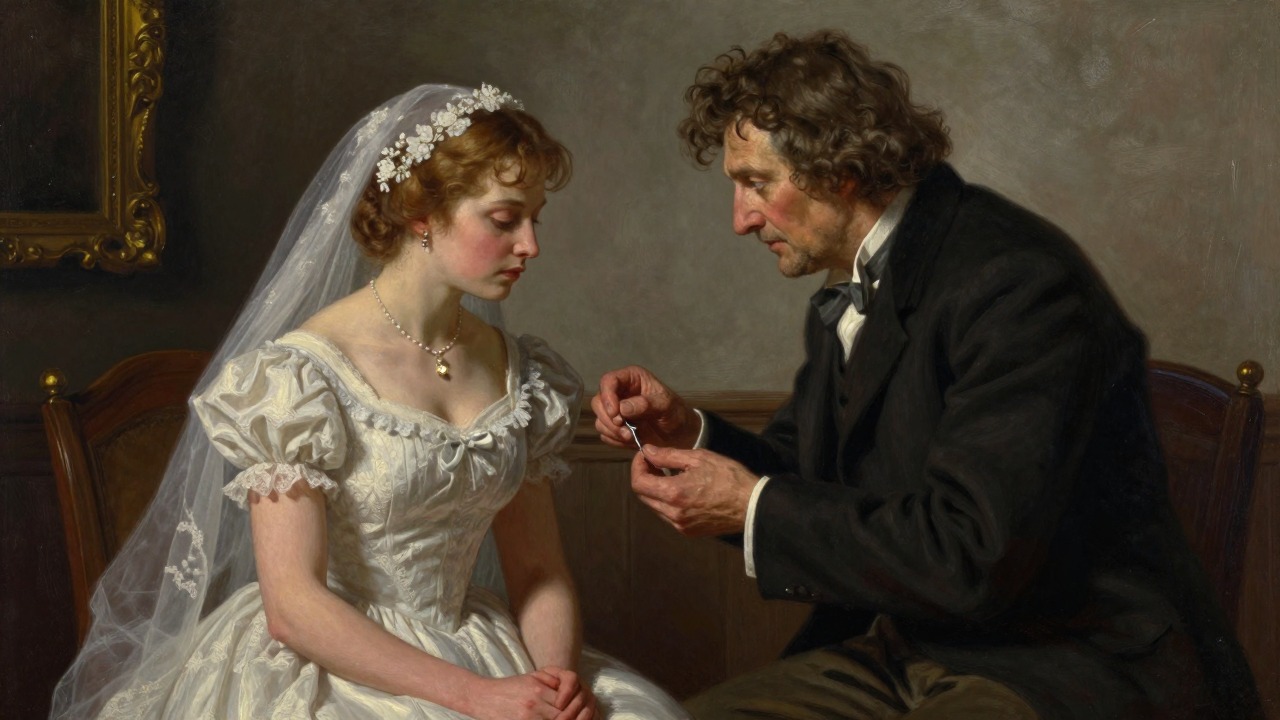
The Final Liberation
Telling Grandmother
Nastenka and the lodger will likely tell the grandmother about their marriage. The pin will be removed, symbolically and literally.
A New Beginning
Nastenka will be freed from her confinement, but she will also lose the grandmother's constant presence. The conflict resolves into a new family dynamic.
The Dreamer's Role in the Background
The Dreamer, who helped her, is left behind. The conflict between Nastenka and grandmother ends with Nastenka's victory, but at a cost.
since the pin was introduced, two years ago
a year ago, during the lodger's stay
after the lodger's return, future after the story
