
The Narrator’s Mixed Inheritance
Winter in SokchoThis flow traces how the narrator’s French-Korean background shapes her speech, belonging, and uneasy relation to both Sokcho and France.
increasing Bearing strength in each event
 decreasing
Bearing strength in each eventdecreasingOrigins as Gossip
Origins as Gossip
A known absence
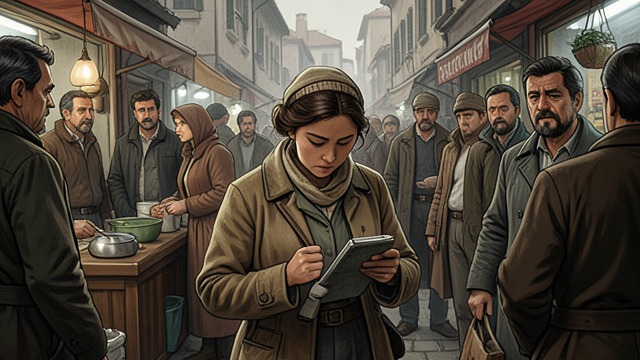
At the Sokcho Fish Market, people still gossip about the narrator’s French origins, decades after her father left without a trace. Her mother raised her in Sokcho, where his disappearance remains part of her public identity.
The narrator moves through the market aware of the looks she receives.
Inheritance without a relationship
France reaches her first as ancestry and absence rather than lived knowledge. Her mixed background is a fact people discuss before she can decide what it means to her.
Languages Kept Apart
Languages Kept Apart
A reluctant French speaker
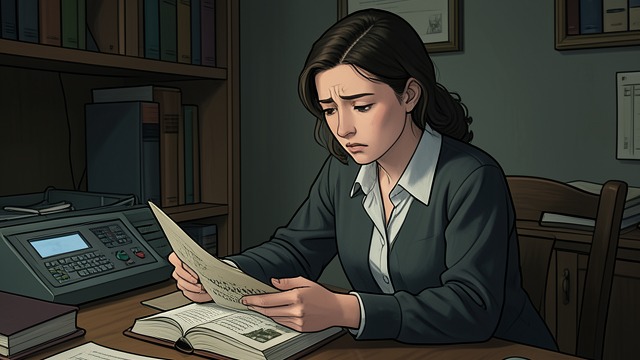
Yan Kerrand learns that the narrator studied Korean and French literature. She says she does not really speak French, though privately she knows her French is better than her English.
She feels intimidated by the thought of speaking French with him.
A language of separation
She once studied French so she could speak a language her mother would not understand. The language has offered both possibility and a way to create distance inside her family.
French Ink and Korean Paper
French Ink and Korean Paper
A divided exchange
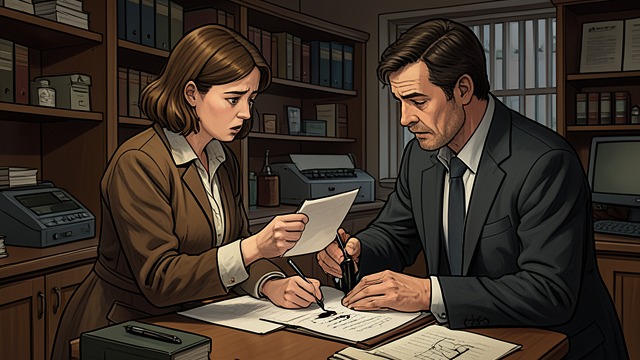
The narrator helps Yan Kerrand find paper and ink, mediating between his English requests and the Korean shop assistant. He seeks a particular texture and insists on testing Korean ink.
Her language skills make her useful even when she feels unsure of her own artistic knowledge.
Belonging through translation
The encounter places the narrator between a French artist and a Korean setting. Her mixed identity becomes practical labor as well as a source of private unease.
Normandy in a Drawing

Normandy in a Drawing
A gift from elsewhere
After the narrator tells Yan Kerrand she has not heard from Jun-oh, he draws a landscape of Normandy and gives it to her. The brick buildings, cows, and open land differ sharply from Sokcho.
She accepts an image of the country connected to her father and to Yan Kerrand’s own home.
A possible inheritance
The drawing makes Normandy tangible without resolving her relation to France. It offers a place she can look at, but not the history or belonging she might seek there.
The Final Scar
The Final Scar
An image crossing borders
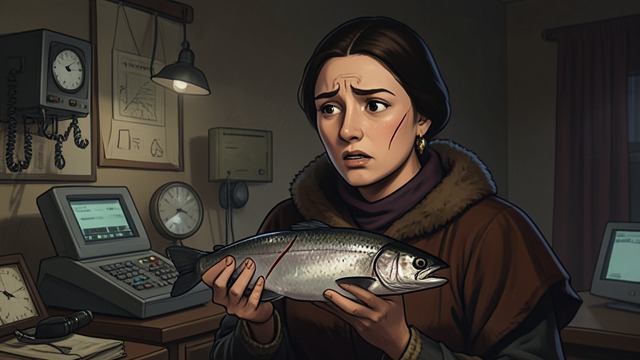
In Yan Kerrand’s last pages, a fine line becomes a scar and then a mark on a fish. The narrator recognizes the scar as her own, though she cannot know precisely how the artist intended the connection.
The image joins her body to a work made by a French artist in Sokcho.
An unsettled inheritance
The drawing does not make the narrator more French or less Korean. It leaves her with an ambiguous sign that her mixed identity and lived body have entered another person’s art.
Early in the story at the fish market
During the walk with Yan Kerrand
During the supermarket visit
After Jun-oh earns his modelling contract
Near the ending, while the narrator reads the sketchbook
