
The Narrator’s Anger at Being Unseen
Winter in SokchoThis flow traces the shift from fascination with Yan Kerrand’s attention to anger that he values her perspective more than he sees her as a person.
increasing Bearing strength in each event
 decreasing
Bearing strength in each eventdecreasingA Gaze Without Recognition
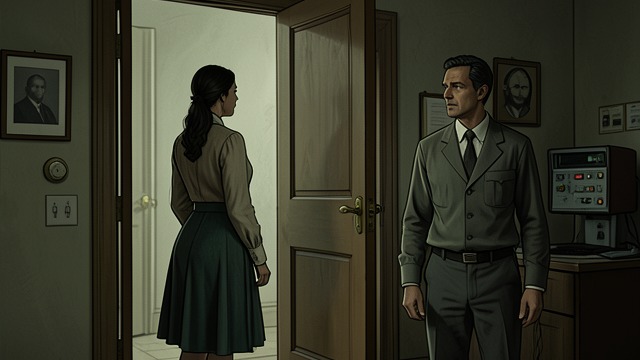
A Gaze Without Recognition
Looking through her
When Yan Kerrand checks in, he looks straight through the narrator without seeming to see her. She registers his impatience and feels compelled to defend the neglected guest house.
His indifference initially makes her a function of reception rather than an individual in his view.
A starting imbalance
The encounter establishes the imbalance that later matters to her: she watches him closely while he appears barely to notice her. His eventual attention will therefore feel powerful and unreliable.
A Body Made Visible
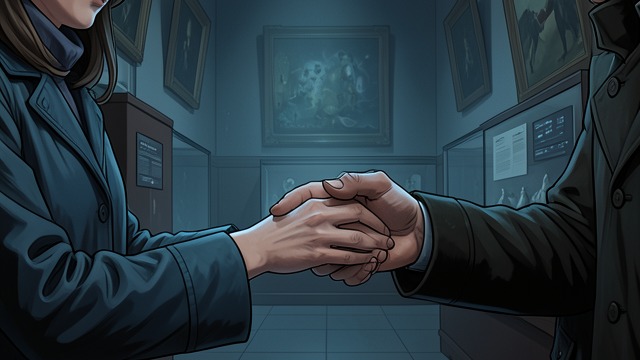
A Body Made Visible
A hand held for warmth
At the museum, the narrator’s fingertip goes numb in the cold. Yan Kerrand holds her hand, says she is unusually cold, and puts it into his pocket.
The contact makes his concern feel physical, but she remains unsure how to read him.
Attention and uncertainty
The moment shifts their relation from distant observation toward embodied closeness. It still does not tell the narrator whether he sees her distinctly or responds only to the immediate scene.
Useful Eyes

Useful Eyes
Asked to guide him
Yan Kerrand asks the narrator to help him find a woman for his hero and says she has a good eye. She realizes that he needs her to help him see Sokcho and its possibilities.
The compliment carries a limit: it praises her perception without necessarily recognizing her own desire.
The need to be seen
The narrator wants more than to be a guide or source of local detail. Her attraction becomes bound to the wish that Yan Kerrand will draw her with his own eyes.
The Hero Will Not Find Her

The Hero Will Not Find Her
A cutting judgment
When Yan Kerrand refuses to show her his current work, the narrator tells him that his hero will not find the woman he wants in Sokcho. She adds that there is nothing there for someone like Yan Kerrand.
He stops drawing, and ink spreads across the landscape.
From longing to attack
The statement expresses anger at his distance as well as her fear of being reduced to local material. The artistic work becomes the immediate surface on which their unspoken conflict breaks open.
The Refusal to Be His Eyes

The Refusal to Be His Eyes
Naming her desire
After Yan Kerrand announces he is leaving, the narrator recognizes that she wants to be seen, not merely to serve as his eyes on Sokcho. She wants him to draw her.
She describes his gaze as a force that has made her unfamiliar self visible to her.
A painful distinction
His appreciation of her perception cannot satisfy her wish for personal recognition. The realization sharpens the loss she feels while also clarifying what she had wanted from him.
When Yan Kerrand first arrives
During the border museum visit
During their café conversation
The night of the narrator’s collapse
After Yan Kerrand announces his departure
