“A winter that never ends”
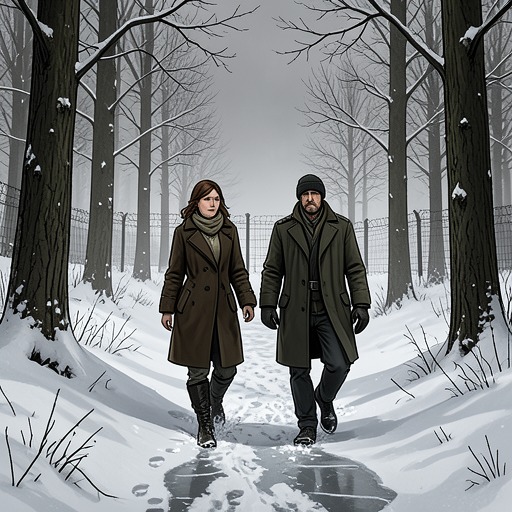
Winter in Sokcho“A winter that never ends” is the speaker’s image for life under a war that remains unresolved. It transforms political suspension into a season without an endpoint: the beaches are not simply reminders of past violence, but places still waiting for the war to end.
Wording and Context
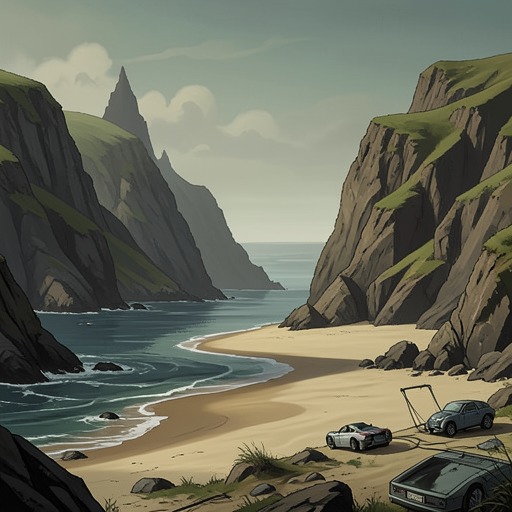
The expression comes at the culmination of a contrast between the addressee’s beaches, where the scars of war belong to the past, and the speaker’s beaches, where the conflict remains present. Hotels and neon signs suggest a settled, welcoming coast, but the speaker calls that appearance false: beneath it, life remains poised on a knife-edge. The image of winter gives this precariousness a duration as well as a mood; the waiting does not pass with the season.
Meaning and Narrative Function
The speaker links the endless winter to a state of limbo, describing a conflict so prolonged that people have stopped believing it is real even as its danger persists. The expression holds together those opposing conditions: the war can seem unreal through exhaustion and distance, yet the coast could still give way at any moment. Rather than presenting the landscape as healed or the conflict as safely historical, the image makes waiting itself the defining condition.