
Social Class and Its Barriers
Wuthering HeightsExplores how social class determines the characters' fates and drives the central conflict.
increasing Bearing strength in each event
 decreasing
Bearing strength in each eventdecreasingHeathcliff's Lowly Origins
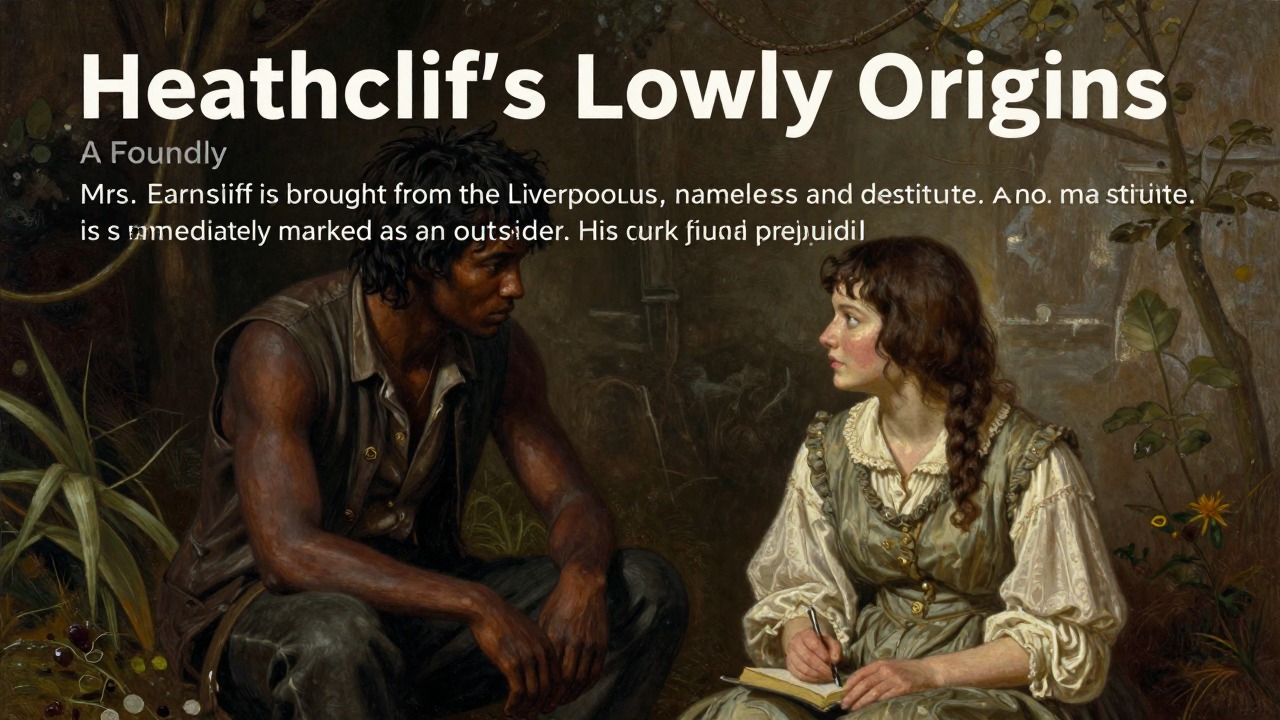
The Outsider
A Foundling
Heathcliff is brought from the Liverpool streets, nameless and destitute. He is immediately marked as an outsider. His dark complexion fuels prejudice.
The Gipsy Brat
Mrs. Earnshaw calls him a gipsy brat. The Lintons refuse to associate with him. He is treated as inferior despite Mr. Earnshaw's favor.
The Social Gap
Heathcliff's low status prevents him from marrying Catherine. She says it would degrade her to marry him. Class is an insurmountable barrier.
Catherine's Ambition
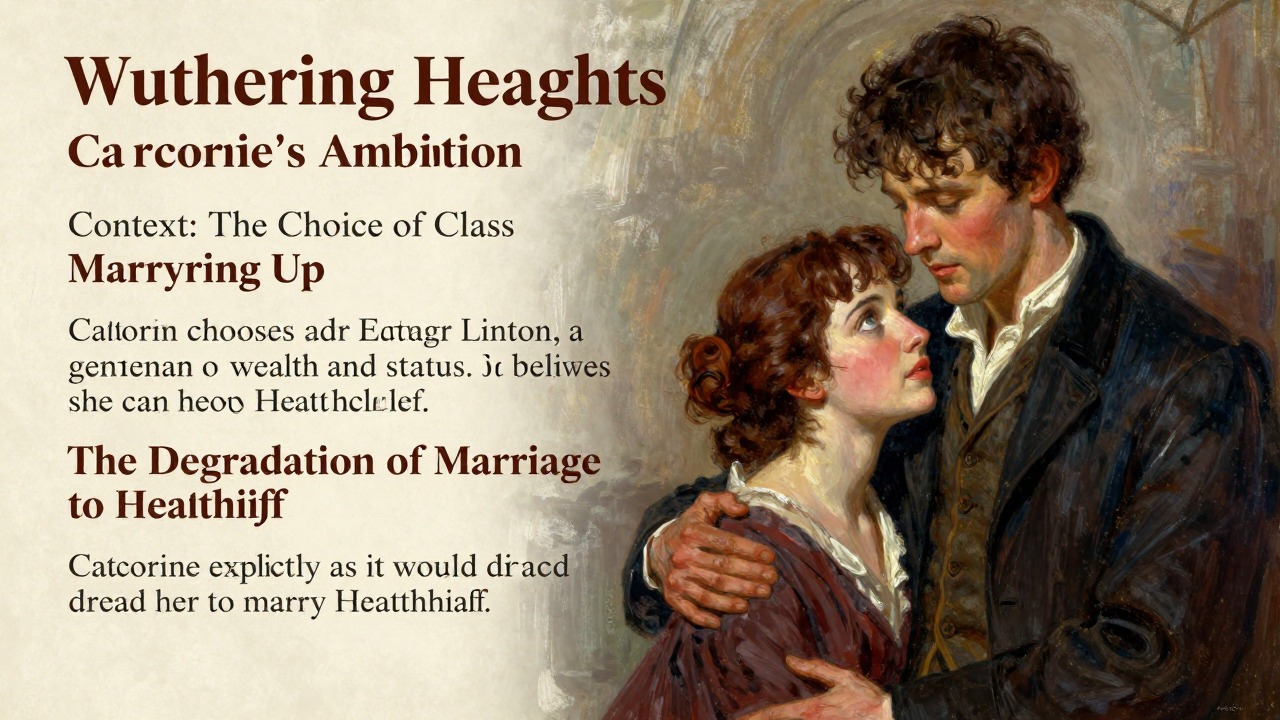
The Choice of Class
Marrying Up
Catherine chooses Edgar Linton, a gentleman of wealth and status. She believes she can help Heathcliff rise, but her primary motive is social advancement.
The Degradation of Marriage to Heathcliff
Catherine explicitly says it would degrade her to marry Heathcliff. She values social position over love. This decision leads to tragedy.
The Irony
Heathcliff returns as a gentleman, but it is too late. He has acquired wealth, but his origins still mark him. Class is a fluid but persistent barrier.
Hareton's Degradation and Rise
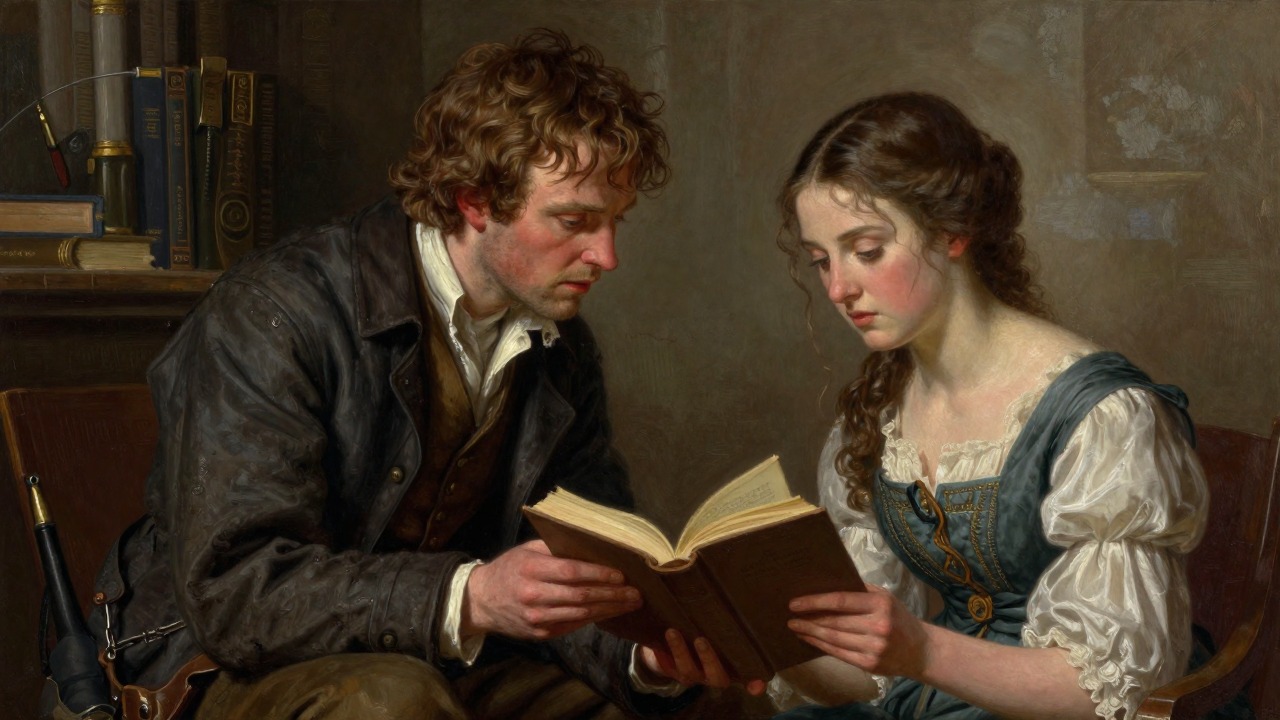
The Fall and Rise of a Gentleman
Reduced to a Servant
Hareton, the rightful heir, is raised as a servant by Heathcliff. He is illiterate and rough. His class status is deliberately degraded.
The Education
Cathy teaches Hareton to read, elevating him socially. He becomes worthy of her love. Education is a means of class mobility.
The Union
Hareton and Cathy's marriage unites the Earnshaw and Linton lines. Class barriers are overcome through love and education. The novel ends with a hopeful vision of social harmony.
1771
1783
1778-1802
