
Class, Identity, and the Foundling
Wuthering HeightsFollows the theme of social identity as an arbitrary and wounding apparatus, embodied in Heathcliff's illegitimacy, Hareton's degradation, and the instability of name and rank.
increasing Bearing strength in each event
 decreasing
Bearing strength in each eventdecreasingThe Naming of Heathcliff
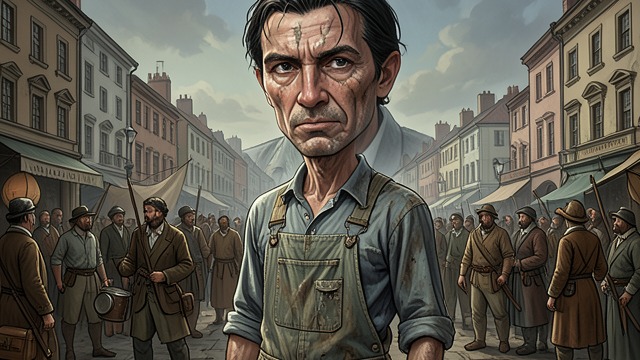
A Dead Son's Name
A Borrowed Surname
Heathcliff is given the name of Mr. Earnshaw's dead son, serving as both Christian name and surname, a title that substitutes for all lost origins. The name is both an adoption and a haunting, eliding the boy's true identity entirely.
A Man Without a History
Nelly can say nothing of his parents or birthplace, only that he is "a cuckoo's." The namelessness that opens the book is never resolved, his single headstone bearing only the word "Heathcliff."
The Servant's Son and the Heir
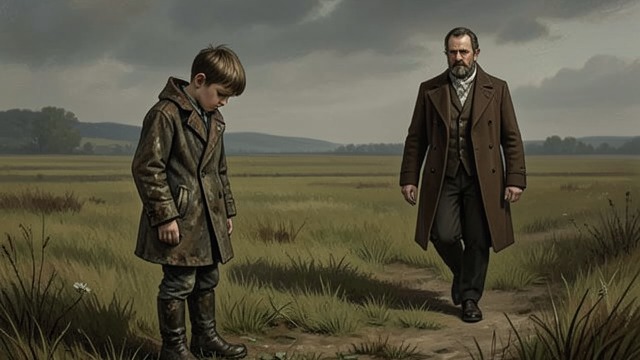
A Place Assigned
The Abjection of Labour
Hindley reduces Heathcliff to the level of a farm servant and speaks of him as a vagabond, a dog, an imp of Satan. Catherine's brother is trying to enforce a social classification that the old master's favour had denied.
A Self Divided
The boy's brief sense of belonging, instilled by Mr. Earnshaw, is destroyed, leaving a proud and wounded nature incapable of trusting any social order. He learns to hate the world that defines him by class.
The Gentleman's Return
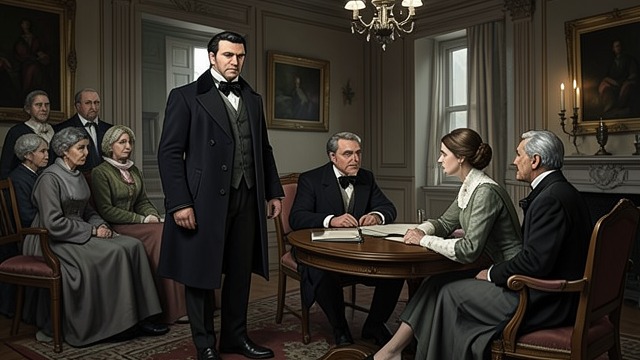
A Transformation Unread
The Ploughboy in the Drawing-Room
When Heathcliff returns, his tall, athletic figure and dignified bearing make Edgar Linton's household uncertain how to address him. Catherine insists he be seated at the Linton table; only his old shame remains unspeakable.
Yet his class position is still a wound: he comes from money no one can trace, and the respectable world can never quite forgive him his founding.
The Last Earnshaw in Rags
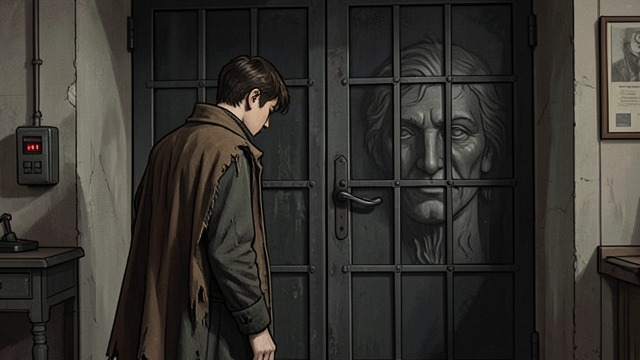
A Name Without a Place
The Heir as Servant
Hareton, the last of the ancient Earnshaw stock, lives as Heathcliff's dependant, unable to read the inscription over his own door. His name is carved in stone, yet he has been stripped of the inheritance that should accompany it.
An Identity Stolen
The degradation is not physical but metaphysical: the boy loses the very knowledge of what he is owed. He takes pride in brutishness because he has been told it is his nature, a false identity superbly effective and supremely cruel.
The Restoration of Names
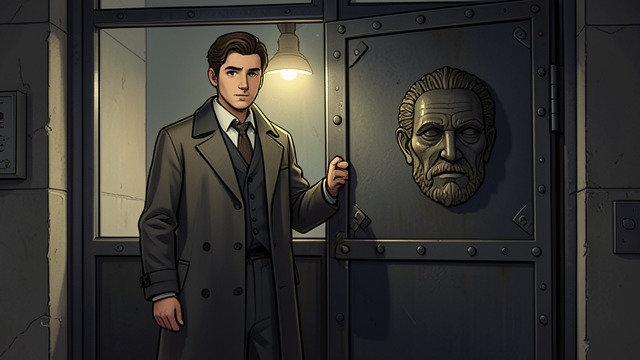
Reading the Door Inscription
A Self Reclaimed
Hareton, taught by Cathy, can now spell out the name over the Heights' door, and the association of name and house is restored. The marriage with Cathy gives him back the right to the property his father lost.
A Name Made New
The novel ends not with Heathcliff's name but with Earnshaw's, carved in the heads tones and the marriage register. Identity, the theme the foundling spent his life torturing, is healed by the simple practice of teaching one's own name to the one who was robbed of it.
the days after the foundling's arrival
the years of Heathcliff's servitude under Hindley
the evening of Heathcliff's return, in the Grange parlour
the period of Hareton's young manhood at the Heights
the final scenes, 1802
