Linton Heathcliff's will
Wuthering HeightsLinton Heathcliff's will is the legal instrument through which Heathcliff completes his usurpation of Wuthering Heights and extends his grasp toward Thrushcross Grange, converting the dying boy's coerced loyalty into a transfer of property that leaves Catherine Linton destitute and imprisoned. The will is the culmination of Heathcliff's revenge, a document that transforms his son's weakness into a weapon and reduces the natural heir, Hareton Earnshaw, to a servant in his own house. It is the final, legalistic stroke of a campaign conducted through mortgages, custody, and forced marriage, showing how the novel's most intimate cruelties are enforced by the cold machinery of inheritance law.
The Legal Weapon of a Mortgaged Inheritance
The will's power is rooted in the financial ruin that preceded it. Hindley Earnshaw, in his dissipation, mortgaged every yard of land he owned to supply his mania for gaming, and Heathcliff became the mortgagee. When Hindley died, the lawyer confirmed that the whole property was mortgaged and that the sole chance for the natural heir, Hareton, was to create some interest in the creditor's heart. Heathcliff, as the creditor, held firm possession and proved to the attorney that Hareton was reduced to complete dependence on his father's inveterate enemy. The will of Linton Heathcliff is the second stage of this legal conquest, a document that would transfer the property from the Earnshaw line entirely into Heathcliff's hands, bypassing Hareton's claim altogether.
The Coercion Behind the Bequest
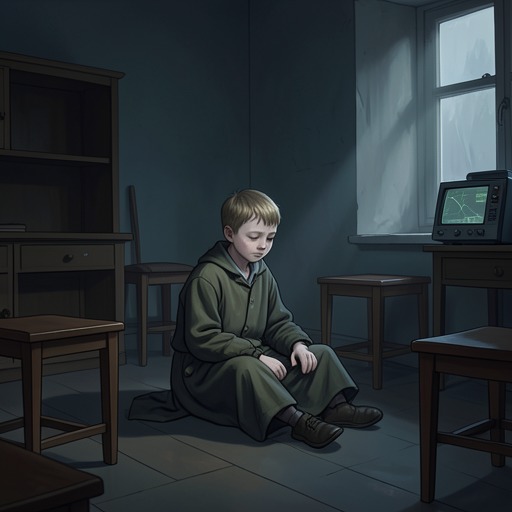
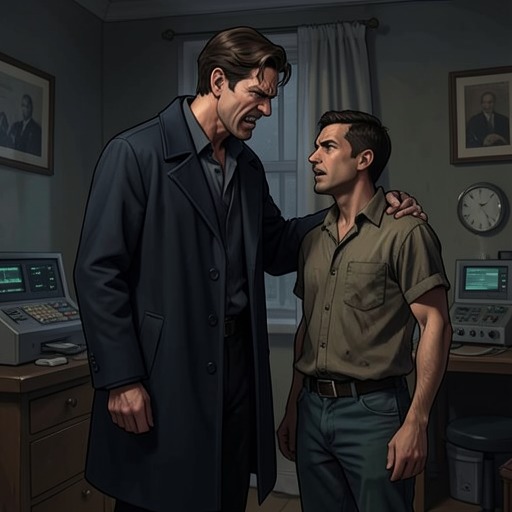
The will was not a free act but the product of a week's imprisonment. During the week of his uncle Edgar Linton's death, Linton Heathcliff was threatened or coaxed into bequeathing the whole of his moveable property—and what had been Catherine's—to his father. The poor creature, sickly and pliable, was manipulated into this act while his uncle lay dying, a circumstance that reveals the calculated cruelty of Heathcliff's design. The lands, because Linton was a minor, he could not legally meddle with, but Heathcliff claimed and kept them in his wife's right and his own, a possession that Catherine, destitute of cash and friends, could not disturb. The will thus converted a dying boy's fear into a legal transfer of wealth, leaving Catherine Linton with nothing but the title of a wife whose fortune had been stripped away.
The Will as a Tool of Enclosure and Captivity
After Linton's death, Heathcliff used the will to complete Catherine's imprisonment. He went up to her room once, to show her Linton's will, a gesture of triumph that displayed the legal document as the proof of her helplessness. The will's existence meant that Catherine, who had been detained at Wuthering Heights and forced into marriage, was now also stripped of her inheritance. She stayed upstairs a fortnight, visited only by Zillah, and when she finally descended, she was dressed in black with her yellow curls combed back as plain as a Quaker, a visual sign of her mourning and her reduced state. The will was the instrument that sealed her captivity, making her not only a prisoner but a pauper.
The Shadow of a Future Will
The will also casts a shadow forward, revealing Heathcliff's own troubled relation to inheritance. In his final days, Heathcliff told Ellen Dean that he had not written his will yet and could not determine how to leave his property, wishing he could annihilate it from the face of the earth. This confession, set against the cold precision of Linton's will, shows the irony of the conqueror: the man who used legal documents to destroy others finds himself unable to dispose of his own gains. His soul's bliss kills his body but does not satisfy itself, and the will he cannot write becomes a final testament to the emptiness of his victory. The document that secured his revenge could not secure his peace.
The Thematic Weight of the Document
The will is more than a plot device; it is the novel's sharpest critique of a legal system that fails to protect the vulnerable. Heathcliff's revenge operates through the law—mortgages, custody, marriage, and wills—rather than through open violence, and the will of Linton Heathcliff is the purest example of this method. It is a document born of coercion, enforced by legal right, and used to complete the degradation of Hareton and the imprisonment of Catherine. The will embodies the novel's vision of property as a form of power that can be wielded as cruelly as any physical force, and it stands as a permanent reminder that the law, in the hands of the ruthless, becomes an instrument of tyranny.