Ice skating with Beloved
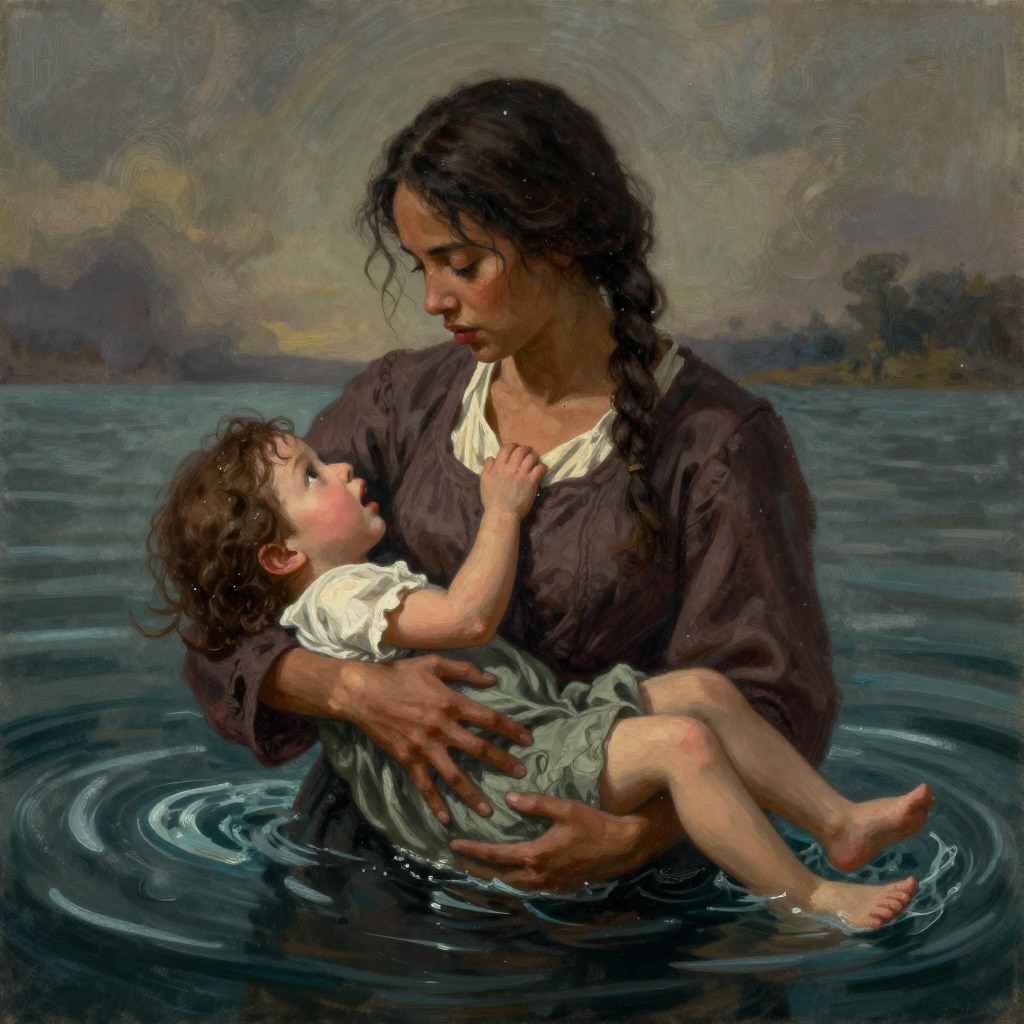
The ice skating scene is a pivotal moment in Toni Morrison's Beloved, a rare interlude of joy and physical abandon that briefly lifts the three women of 124 Bluestone Road out of their haunted, isolated existence. Occurring in the dead of winter, four days after Paul D's departure, it is Sethe's defiant attempt to follow Baby Suggs' advice to "lay it all down" and embrace life. The scene marks a turning point: it is the first time Sethe, Denver, and Beloved act as a carefree unit, and it culminates in a moment of profound recognition that solidifies Sethe's belief that Beloved is her murdered daughter returned to her.
Context and Motivation
The scene is born from Sethe's grief and defiance. Four days after Paul D left, having been confronted with the newspaper clipping about her infanticide, Sethe decides to take Baby Suggs' advice to lay down her "sword and shield." She rummages through a heap of strangers' shoes to find ice skates, despising herself for having been so trusting with Paul D. She reflects on the twenty-eight days of happiness she had after escaping Sweet Home, followed by eighteen years of disapproval and solitude, and wonders if her unlivable life is destined to be interrupted by short-lived glories. Determined to show anyone who might pity her—including Paul D—that she is not broken, she declares they will go skating, even though she cannot skate a lick.
The Skating and Its Joy
The three women venture to a frozen creek, where they hold hands and swirl over the ice. Beloved wears the pair of skates, Denver wears one, step-gliding, and Sethe trusts her two shoes to anchor her. She is wrong; two paces onto the ice, she loses her balance and lands on her behind. The girls, screaming with laughter, join her on the ice. Sethe discovers she can do a split, and that it hurts, but the pain is subsumed by laughter. They make circles and lines, unable to stay upright for a whole minute, yet every tumble doubles their delight. The live oak and soughing pine on the banks enclose them, absorbing their laughter as they fight gravity for each other's hands. Their skirts fly like wings, and their skin turns pewter in the cold, dying light. The narrator repeats, "Nobody saw them falling," emphasizing the privacy and purity of this moment.
The Shift from Laughter to Tears
Exhausted, they lie on their backs to recover breath, looking up at a sky that is "another country," with winter stars close enough to lick. Denver stands up and attempts a long, independent glide, but the tip of her single skate hits an ice bump, and she falls with wild, hopeless flapping arms. All three laugh until they cough. Sethe rises to her hands and knees, laughter shaking her chest and making her eyes wet. But when her laughter dies, the tears do not. It is some time before Beloved or Denver knows the difference, and when they do, they touch her lightly on the shoulders. This unspoken shift from joy to sorrow reveals the depth of Sethe's pain, which even this moment of happiness cannot fully dispel.
The Return Home and the Song
Walking back through the woods, Sethe puts an arm around each girl, and both have an arm around her waist. They stumble on the hard snow but hold on tight, and again, "nobody saw them fall." Inside the house, they discover they are cold. They take off their wet stockings, put on dry woolen ones, and Denver feeds the fire. Sethe warms a pan of milk and stirs cane syrup and vanilla into it. Wrapped in quilts and blankets before the cooking stove, they drink, wipe their noses, and drink again. Denver suggests roasting potatoes, but Sethe says tomorrow, it is time to sleep. As they sip the hot sweet milk, Beloved begins to hum softly. Sethe recalls a click—the settling of pieces into places designed for them. She turns to look at Beloved's profile, and then she remembers the song she made up and sang to her children, a song that nobody knows but her and her children. Beloved turns to look at Sethe and says, "I know it." This moment of recognition is the climax of the scene, confirming Sethe's growing conviction that Beloved is her daughter.
Significance
The ice skating scene is a microcosm of the novel's central themes: the possibility of joy and connection in the face of overwhelming trauma, and the dangerous blurring of past and present. It is a moment of pure, physical presence that contrasts sharply with the haunting and the weight of memory. The scene also foreshadows the deterioration of Sethe and Beloved's relationship, as the joy of this day gives way to the possessive, destructive love that follows. The song, "High Johnny, wide Johnny," becomes a private language between Sethe and Beloved, excluding Denver and marking the beginning of the end. The scene's emphasis on "nobody saw them falling" suggests a private world where the women can be free, but also hints at the isolation that will ultimately consume them.