
Beloved
Overview
Beloved is a 1987 novel by American novelist Toni Morrison, published by Alfred A. Knopf on September 16, 1987. The book runs 324 pages and falls within the genre of literary fiction. It is Morrison's fifth novel, set in the Reconstruction-era United States, primarily in Cincinnati, Ohio, in 1873. The story centers on Sethe, a formerly enslaved woman, and the haunting presence of her deceased infant daughter. The novel is renowned for its powerful exploration of slavery's traumatic legacy, the complexities of motherhood, and the pursuit of freedom.
Plot Summary
The narrative opens at 124 Bluestone Road, a house haunted by a malevolent spirit. Sethe lives there with her daughter Denver; her two sons have run away, and her mother-in-law, Baby Suggs, died eight years earlier. The ghost is driven out by the arrival of Paul D, a fellow former slave from the Sweet Home plantation. Soon after, a mysterious young woman calling herself Beloved appears at the house. Sethe becomes convinced that Beloved is the reincarnation of the baby she killed eighteen years ago to prevent her from being returned to slavery. As Beloved's presence becomes more demanding and destructive, Sethe's psychological wounds are reopened, forcing her to confront the unspeakable act. The story unfolds through a series of flashbacks and fragmented memories, gradually revealing the full horror of Sethe's past and the collective trauma of the enslaved community.
Themes and Style
Beloved grapples with themes of memory, trauma, the dehumanization of slavery, and the redemptive power of love. Morrison employs a nonlinear, multi-voice narrative that blends realism with supernatural elements. The ghost of Beloved serves as a physical manifestation of the repressed past, a symbol of the “six million and more” who perished in the slave trade. The novel also explores the limitations enslaved women faced, particularly in their roles as mothers. Morrison's prose is lyrical and dense, drawing on African American oral traditions, folklore, and spiritual beliefs. The scar on Sethe's back, described as a “chokecherry tree,” becomes a powerful metaphor for the persisting marks of inhumanity.
Writing Background
Morrison was inspired by the true story of Margaret Garner, an enslaved woman who, in 1856, killed her daughter rather than see her returned to slavery. Morrison wanted to give voice to the silenced experiences of black women under slavery, offering a physical and emotional presence that had been absent in literature. She described the novel as an exploration of “the area of consciousness” where ghosts and memories reside, a space everyone knows from childhood. The book was researched extensively, drawing on historical records, slave narratives, and the editor's own work on The Black Book, a compilation of African American history.
Legacy
Upon its release, Beloved was met with critical acclaim and won the Pulitzer Prize for Fiction in 1988, as well as the National Book Critics Circle Award and the American Book Award. It has since been recognized as one of the greatest American novels, often appearing at the top of lists such as The New York Times's “Best American Fiction of the Last 25 Years.” The novel has been adapted into a 1998 film starring Oprah Winfrey and has been the subject of extensive scholarly analysis. Despite occasional bans for its graphic content, Beloved remains a cornerstone of African American literature and a powerful testament to the enduring impact of slavery on American identity.
About the Author
Early Life and Education
Toni Morrison was born Chloe Ardelia Wofford on February 18, 1931, in Lorain, Ohio, to George Wofford, a welder, and Ramah Willis Wofford, a homemaker. She was the second of four children. Growing up in a working-class African American family, Morrison was immersed in Black folklore, music, and storytelling. She excelled in school and attended Howard University, where she earned a B.A. in English in 1953. She then pursued graduate studies at Cornell University, writing a thesis on the works of William Faulkner and Virginia Woolf, and received an M.A. in 1955.
Editing and Academic Career
After graduating, Morrison taught at Texas Southern University and later at Howard University. In 1958, she married Jamaican architect Harold Morrison; they had two sons before divorcing in 1964. She moved to New York City to work as an editor at Random House, where she remained for nearly two decades. She edited The Black Book (1974), a landmark anthology of African American history and culture, and championed the works of many Black writers. She also taught at various institutions, including Yale University, and from 1989 to 2006 she was a professor of humanities at Princeton University.
Literary Achievements
Morrison's first novel, The Bluest Eye (1970), was followed by Sula (1973), Song of Solomon (1977, winner of the National Book Critics Circle Award), Tar Baby (1981), and Beloved (1987), which won the Pulitzer Prize for Fiction in 1988. She also wrote Jazz (1992), Paradise (1998), Love (2003), A Mercy (2008), Home (2012), and God Help the Child (2015). In 1993, Morrison was awarded the Nobel Prize in Literature, becoming the first Black woman to receive the honor. Her novels are celebrated for their epic vision, lyrical prose, and deep exploration of Black identity, history, and community.
Later Life and Death
Morrison continued to write and publish into her later years, also producing children's books and play adaptations. She received numerous honorary degrees and awards, including the Presidential Medal of Freedom in 2012. Toni Morrison died on August 5, 2019, in The Bronx, New York, at the age of 88. Her passing was mourned worldwide as the loss of a literary giant. Her legacy endures in the classroom, the canon, and the collective imagination, where her work remains essential reading for understanding the complexities of race, love, and memory in America.
StoryFlow
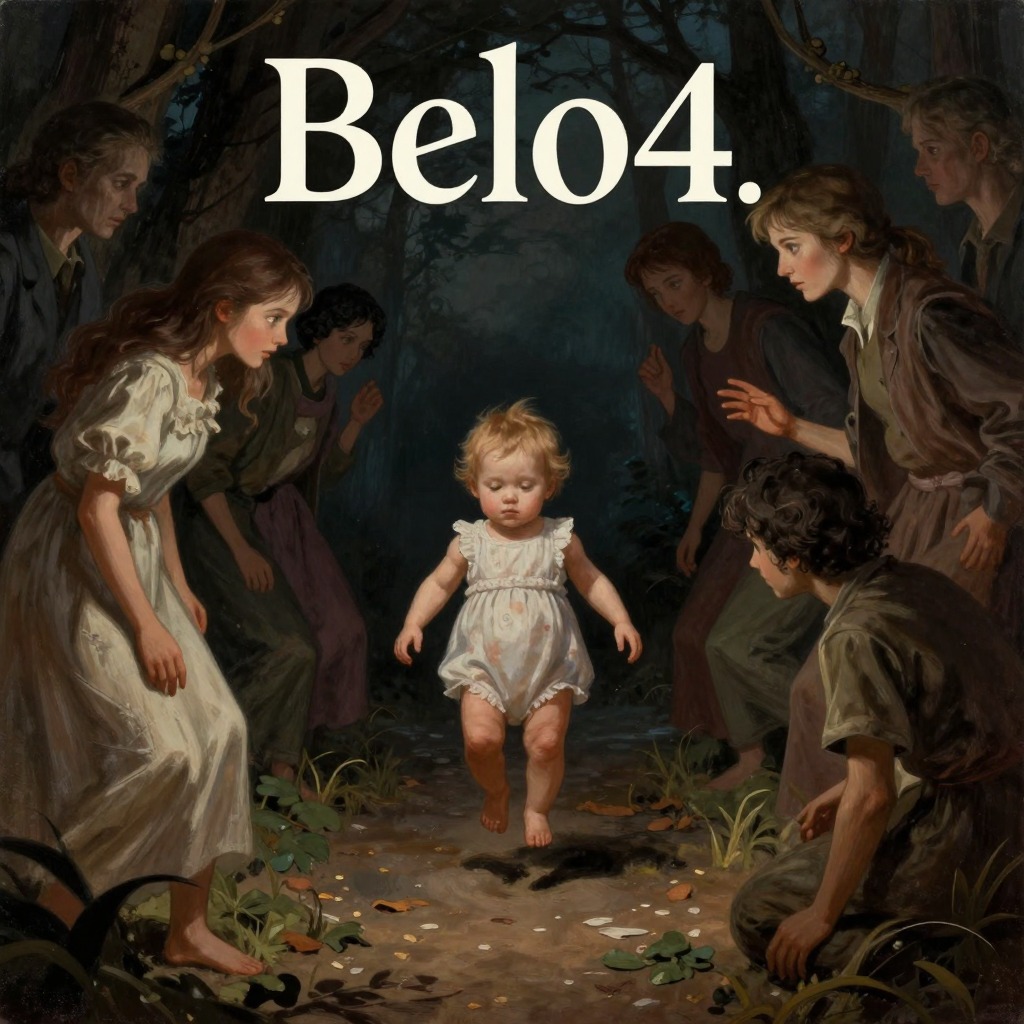
The Haunting of 124
Traces the baby ghost's evolution from inscrutable spite to flesh-and-blood return and finally to communal exorcism and quiet departure.
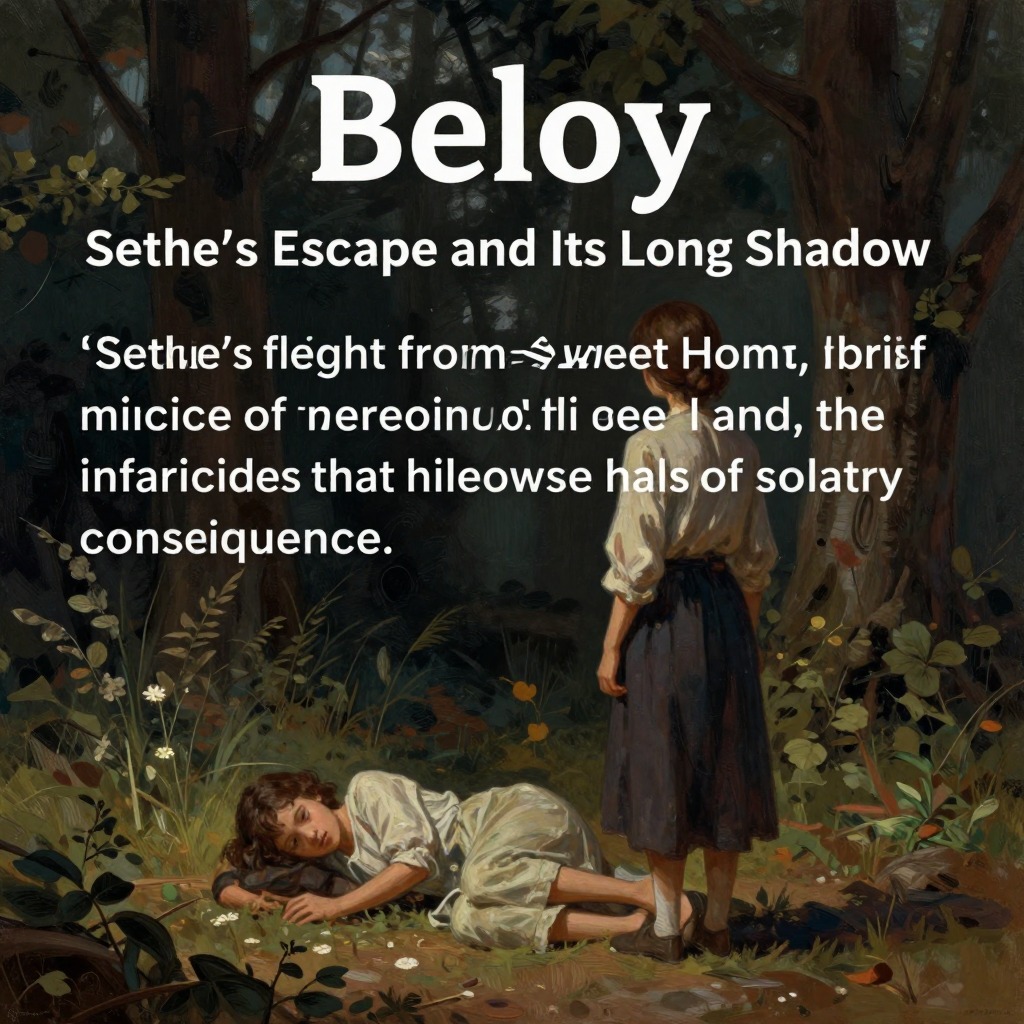
Sethe's Escape and Its Long Shadow
Follows Sethe's flight from Sweet Home, the brief miracle of freedom, the infanticide that follows, and the eighteen years of solitary consequence.
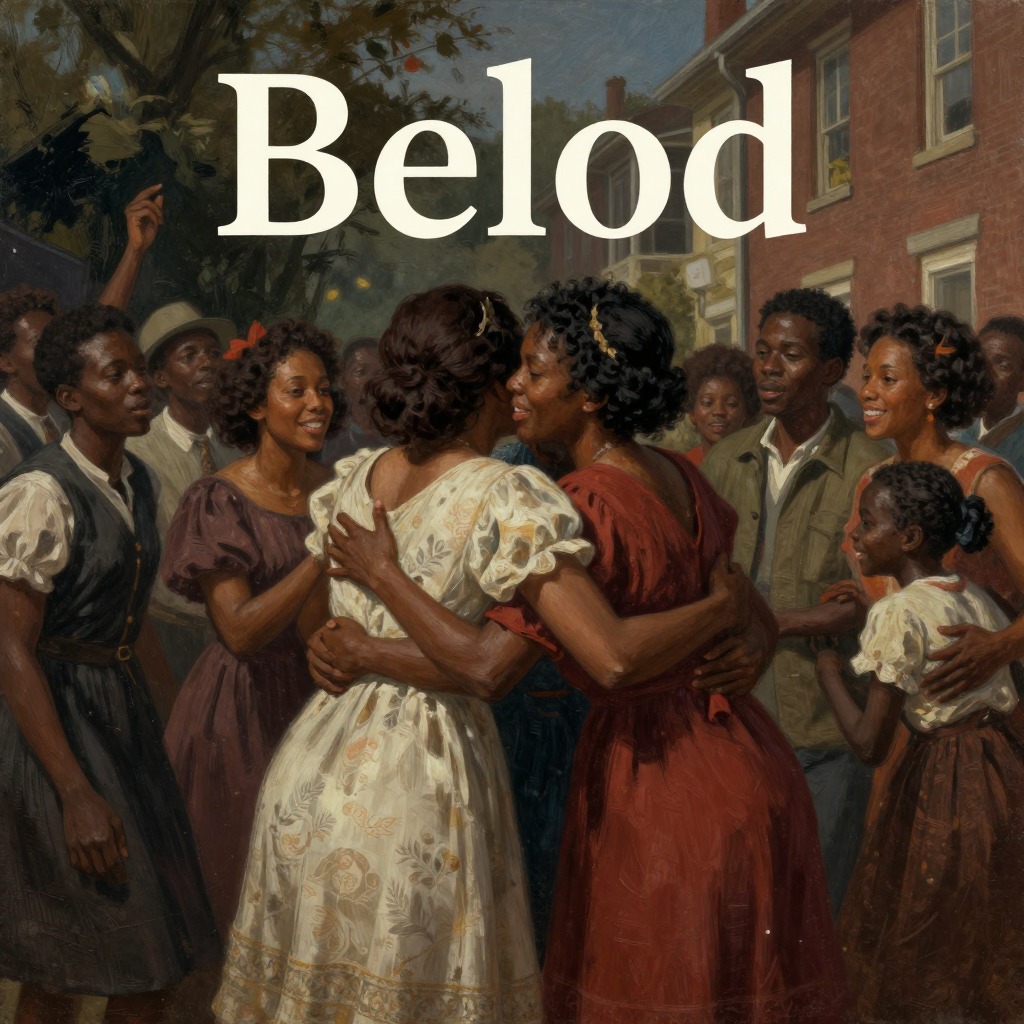
The Community's Reckoning with 124
Shows how the black neighborhood of Cincinnati moves from celebratory love to jealous shunning and finally to a saving intervention.
