No bad luck but whitefolks
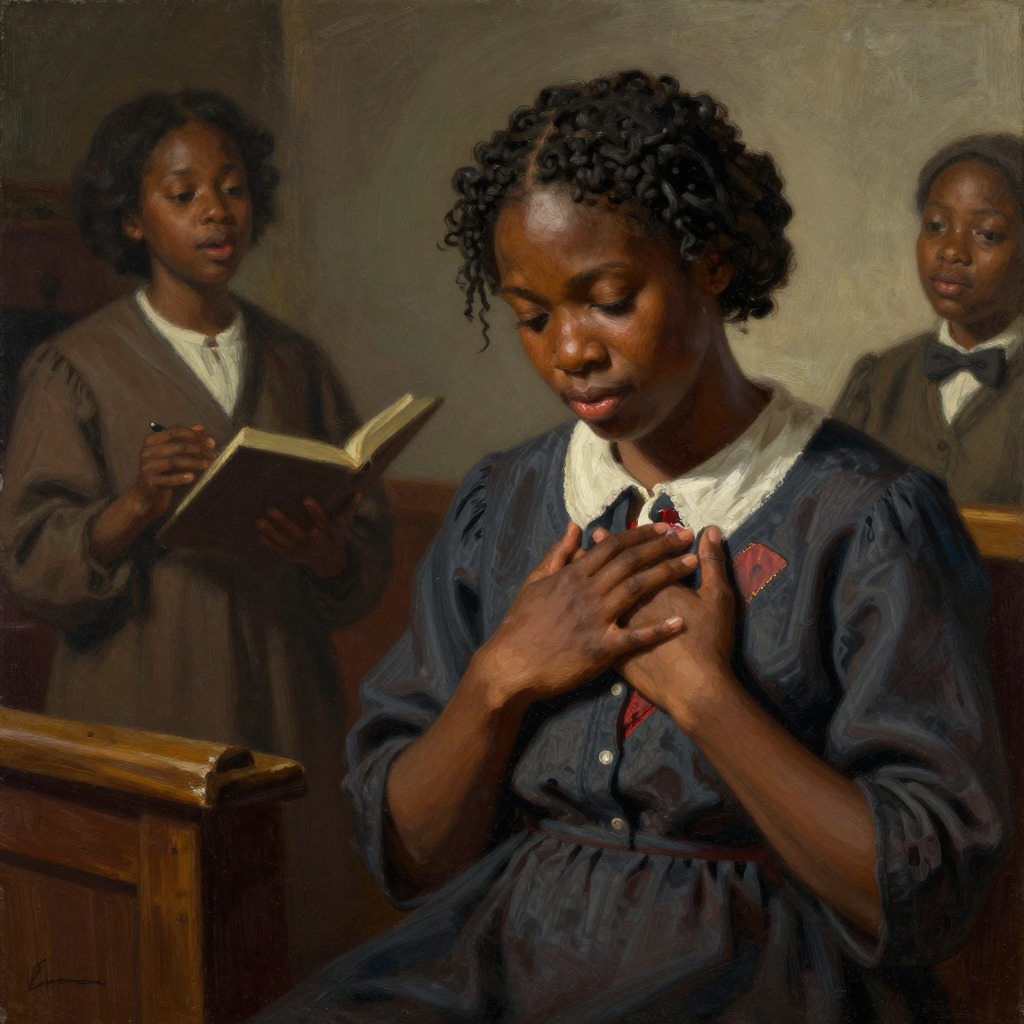
Baby Suggs, holy, the unchurched preacher who had devoted her freed life to teaching her people to love their own flesh, spent her final years in bed, pondering color. On the afternoon of the last day of her life, she got out of bed, skipped slowly to the door of the keeping room, and announced to Sethe and Denver the lesson she had learned from her sixty years a slave and ten years free: that there was no bad luck in the world but white people. "They don't know when to stop," she said, and returned to her bed, pulled up the quilt, and left them to hold that thought forever. This pronouncement was not a sudden revelation but the culmination of a long and bitter disillusionment, a verdict on a lifetime of loss and the final, devastating blow of the Misery—the day her daughter-in-law, Sethe, killed her own child rather than see her returned to slavery.
The Collapse of Faith and the End of the Call
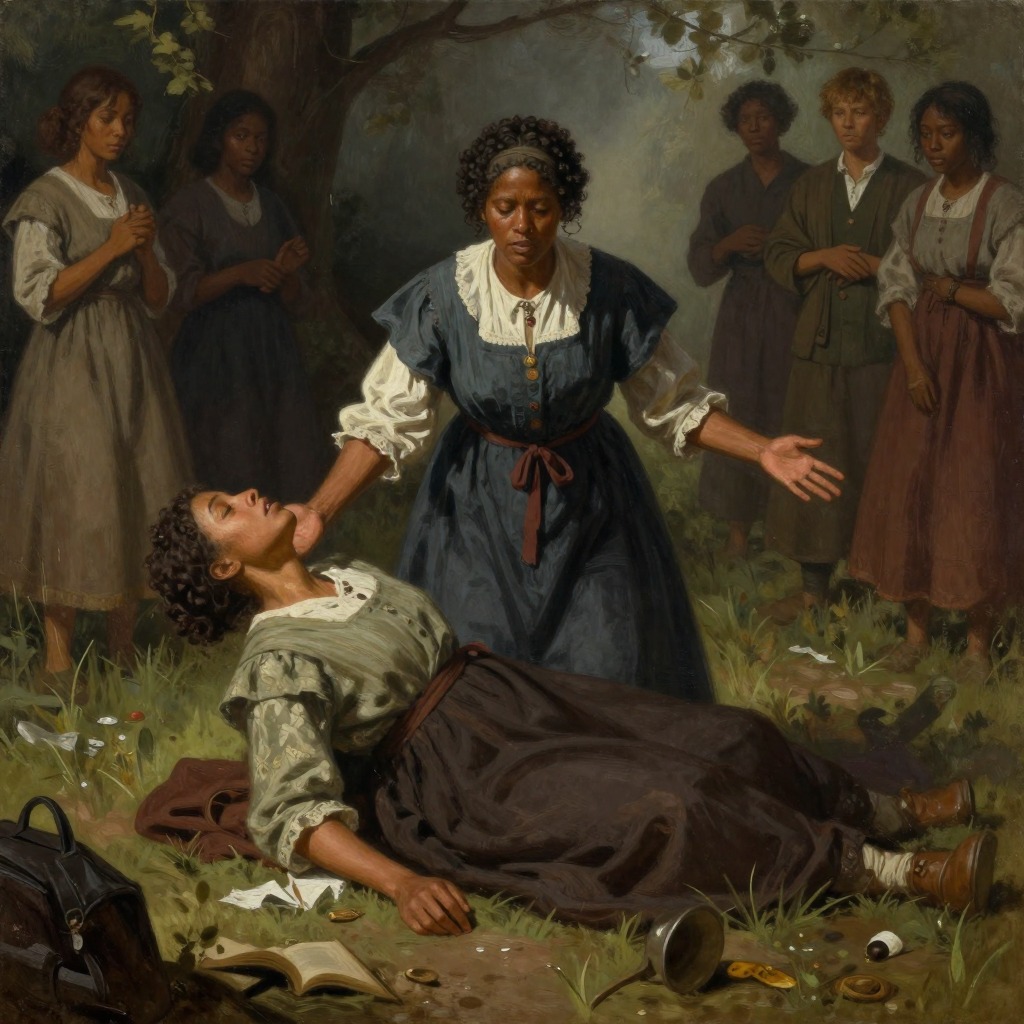
Baby Suggs' declaration marked the end of her role as the community's spiritual heart. After the Misery, she had "proved herself a liar" in her own eyes, believing that her message of self-love and grace had been mocked and rebuked by the bloodspill in her backyard. She had once told the people in the Clearing that the only grace they could have was the grace they could imagine, and that if they could not see it, they would not have it. But the white men who came into her yard, the four horsemen—schoolteacher, one nephew, a slave catcher, and a sheriff—had shown her that her imagination, her love, and her great big old heart were not enough. She had believed that her faith could protect her family, but it could not. The whitefolks had taken all she had or dreamed, and broken her heartstrings too. Her final words were not a sermon but a surrender, a recognition that the world was governed not by grace but by the unchecked will of white people.
The Lesson of a Lifetime
Baby Suggs' life had been a catalog of losses, each one attributable to the whims and cruelties of white owners. She had been born into slavery, had eight children by six different fathers, and had seen every one of them sold away or chased off. She remembered her first-born only by her love of the burned bottom of bread. She had been bought out of slavery by her last child, Halle, who gave up five years of Sundays to see her sit down for a change. She had been driven to the Ohio River in a wagon by her former master, Mr. Garner, with her free papers folded between her breasts. She had been given a house by the Bodwins, the white brother and sister who hated slavery worse than they hated slaves. But none of this kindness could undo the fundamental truth she had learned: that white people, even the "good" ones, operated by a logic that could, at any moment, destroy everything she loved. The Garners had been kind, but Mr. Garner's death brought schoolteacher, who broke the Sweet Home men and drove Sethe to the ultimate act of desperation. The Bodwins had given her a house, but they could not prevent the four horsemen from riding into her yard. Her final words were a distillation of this experience, a bitter wisdom that she passed on to her daughter-in-law and granddaughter.
The Echo in the Community
The pronouncement did not die with Baby Suggs. It became a kind of communal truth, echoed in the words of other characters who had suffered at the hands of white people. Stamp Paid, who had found a red ribbon knotted around a curl of wet woolly hair clinging to its bit of scalp on the bottom of his flatbed, had asked, "What are these people? You tell me, Jesus. What are they?" He had seen the stench of lynchings and the skin and hot blood, and he knew that the whitefolks were still on the loose. Sethe, too, had come to believe every one of Baby Suggs' last words, burying all recollection of the kindnesses she had once trusted. She had trusted Mrs. Garner and her husband, and she had knotted the crystal earrings into her underskirt to take along, believing she could discriminate among white people. But schoolteacher had measured her, stolen her milk, and beaten her back into a chokecherry tree. She had learned that there was no defense against white people, that they could prowl at will, change from one mind to another, and even when they thought they were behaving, it was a far cry from what real humans did. The words became a shield and a curse, a way of understanding the world that was both a source of solidarity and a prison of despair.
The Thematic Significance
The statement "no bad luck but whitefolks" is the novel's starkest articulation of the idea that white supremacy is the root of all evil in the lives of the enslaved and formerly enslaved. It is a rejection of theodicy, a refusal to blame God or fate for the suffering that is, in fact, caused by human agency. Baby Suggs' earlier preaching had been a radical act of resistance, telling her people to love their flesh because the whitefolks did not. But her final words acknowledge the limits of that resistance: love could not protect them from the men without skin who came into their yards. The novel does not simply endorse this view—it complicates it through characters like Amy Denver, the whitegirl who helped Sethe give birth, and the Bodwins, who opposed slavery. But the weight of the evidence, the cumulative horror of the Middle Passage, the lynchings, the rapes, the theft of children, makes Baby Suggs' verdict feel like the only honest conclusion. It is a statement that haunts the novel, a reminder that the personal is political, and that the trauma of slavery is not a matter of individual bad luck but of systemic evil.