Mr. Knightley
Mr. Knightley, a sensible man about seven or eight-and-thirty, is not only a very old and intimate friend of the Woodhouse family but particularly connected to it as the elder brother of Isabella's husband. He lives about a mile from Highbury at Donwell Abbey, is a frequent visitor at Hartfield, and is always welcome. His cheerful manner and his many inquiries after "poor Isabella" and her children are a comfort to Mr. Woodhouse. He is one of the few people who can see faults in Emma Woodhouse, and the only one who ever tells her of them, a role he fills with a mixture of affection and sternness.
Identity and Background
Mr. Knightley is the master of Donwell Abbey, a substantial estate in the parish adjoining Highbury. He is a magistrate and a farmer, keeping in hand the home-farm at Donwell, and he often consults his brother John on points of law or shares local agricultural information. His position in the community is one of consequence and respect, and he is known for his straightforward, decided, commanding sort of manner, which suits his figure, look, and situation in life. He is a man of strong domestic habits and finds all-sufficiency in home, which leads him to look down on the common rate of social intercourse. He is not a gallant man, but he is a very humane one, often performing acts of unostentatious kindness, such as lending his carriage to Miss Bates and Jane Fairfax.
Arc Through the Plot
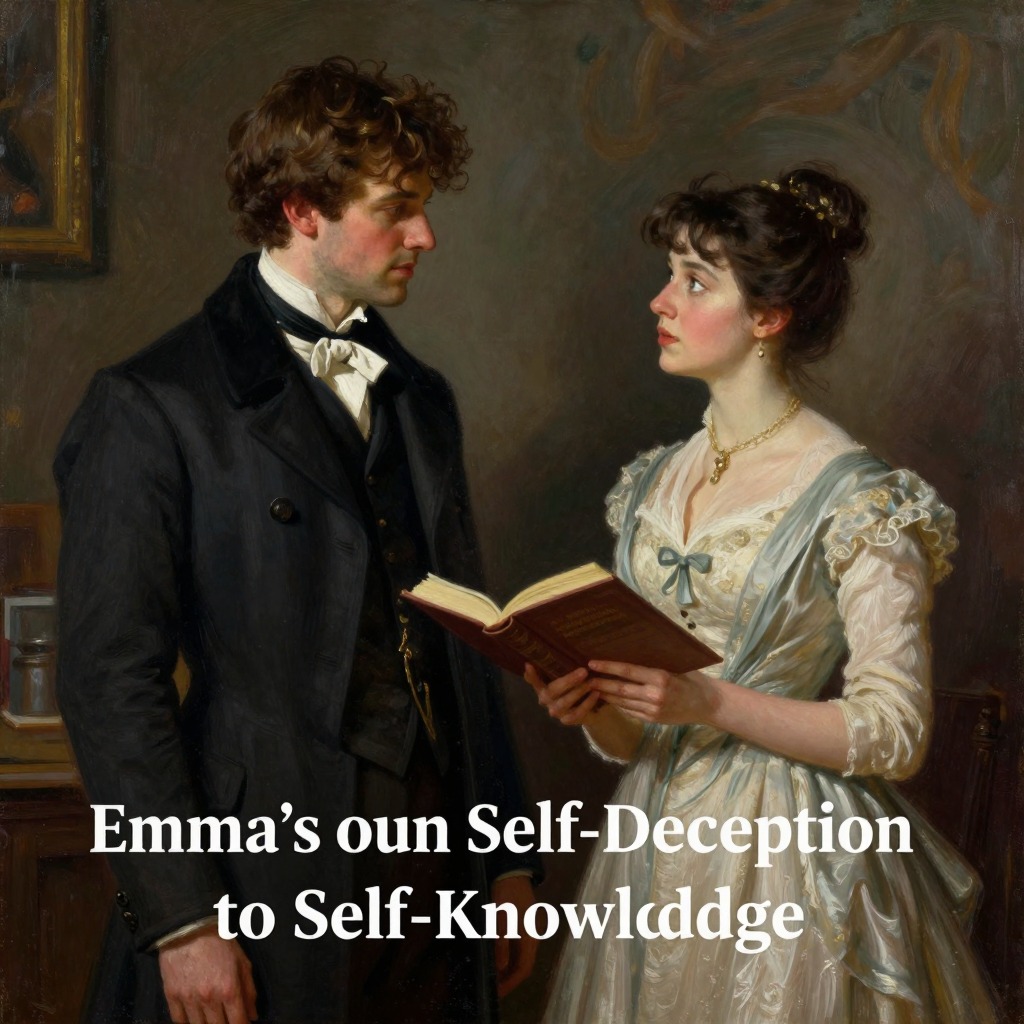
From the very beginning, Mr. Knightley acts as a corrective to Emma's self-deception and matchmaking. He openly disapproves of her intimacy with Harriet Smith, calling it a bad thing and predicting that neither will do the other any good. He is the one who correctly identifies Robert Martin's worth and is angered when Emma persuades Harriet to refuse his proposal. He warns Emma that Mr. Elton will not make an imprudent match, a prediction that proves entirely accurate. His suspicion of Frank Churchill's character is also early and persistent; he believes Frank could have come to see his father if he had truly wanted to, and he dismisses him as a trifling, silly fellow. The Box Hill picnic marks a critical turning point, as Mr. Knightley delivers a severe but just reproach to Emma for her cruel and unfeeling wit towards Miss Bates, an act that forces Emma into a profound and painful self-examination. This confrontation, born of his deep concern for her, is the catalyst for her moral growth.
Relationships and Conflict
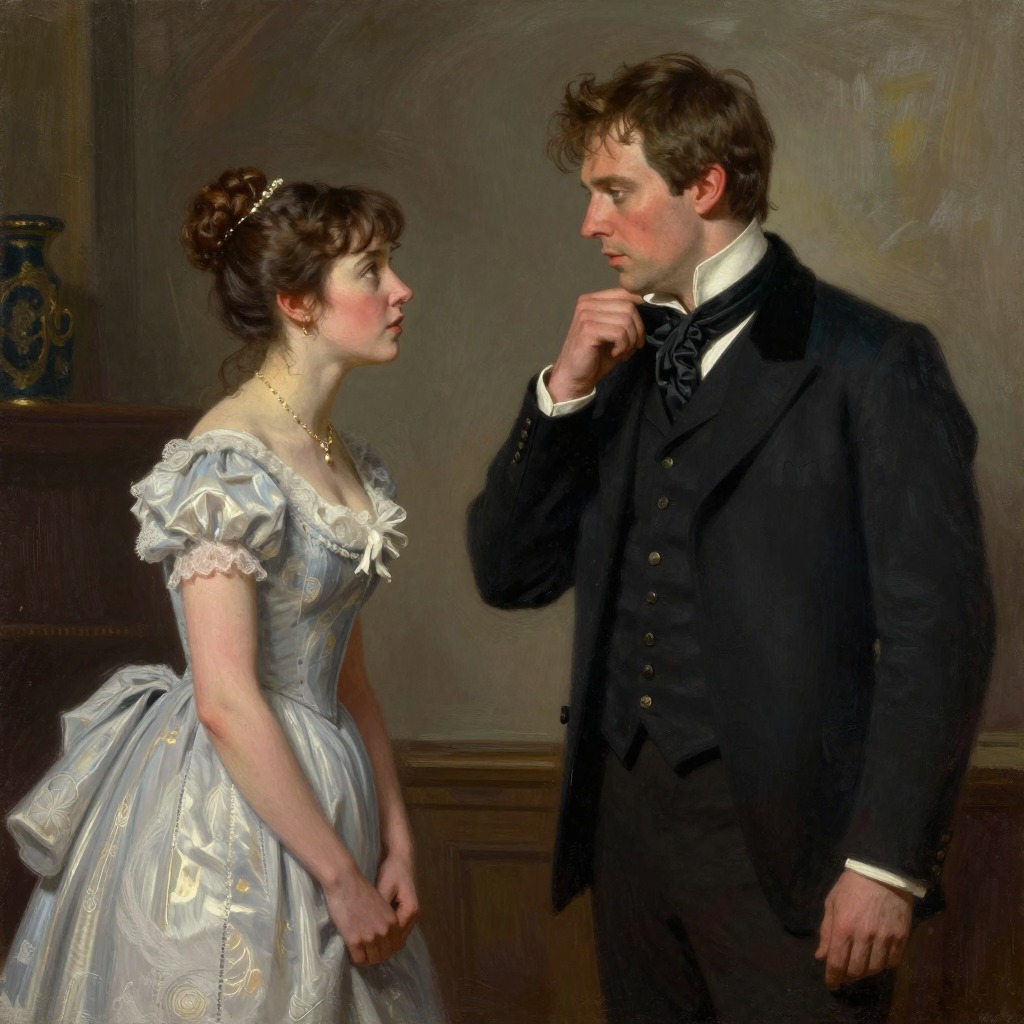
Mr. Knightley's relationship with Emma is the novel's central dynamic. He loves to find fault with her, but his criticism is always rooted in a sincere interest in her well-being. He has watched over her from a girl, with an endeavour to improve her and an anxiety for her doing right. He is jealous of Frank Churchill, a sentiment that has been with him since the young man's arrival or even expectation, and this jealousy is what drives him to leave for London after the Box Hill party. His relationship with Harriet Smith evolves from one of scorn to a more favorable opinion, as he finds her more conversable than he expected after dancing with her at the Crown Inn ball. He also holds a very high opinion of Jane Fairfax, admiring her performance on the pianoforte and her voice, though he insists he has never thought of her in a romantic way. His interactions with Mr. Elton are marked by a clear understanding of the latter's character, and he is not surprised by Mr. Elton's mercenary marriage to Augusta Hawkins.
Change and Ending
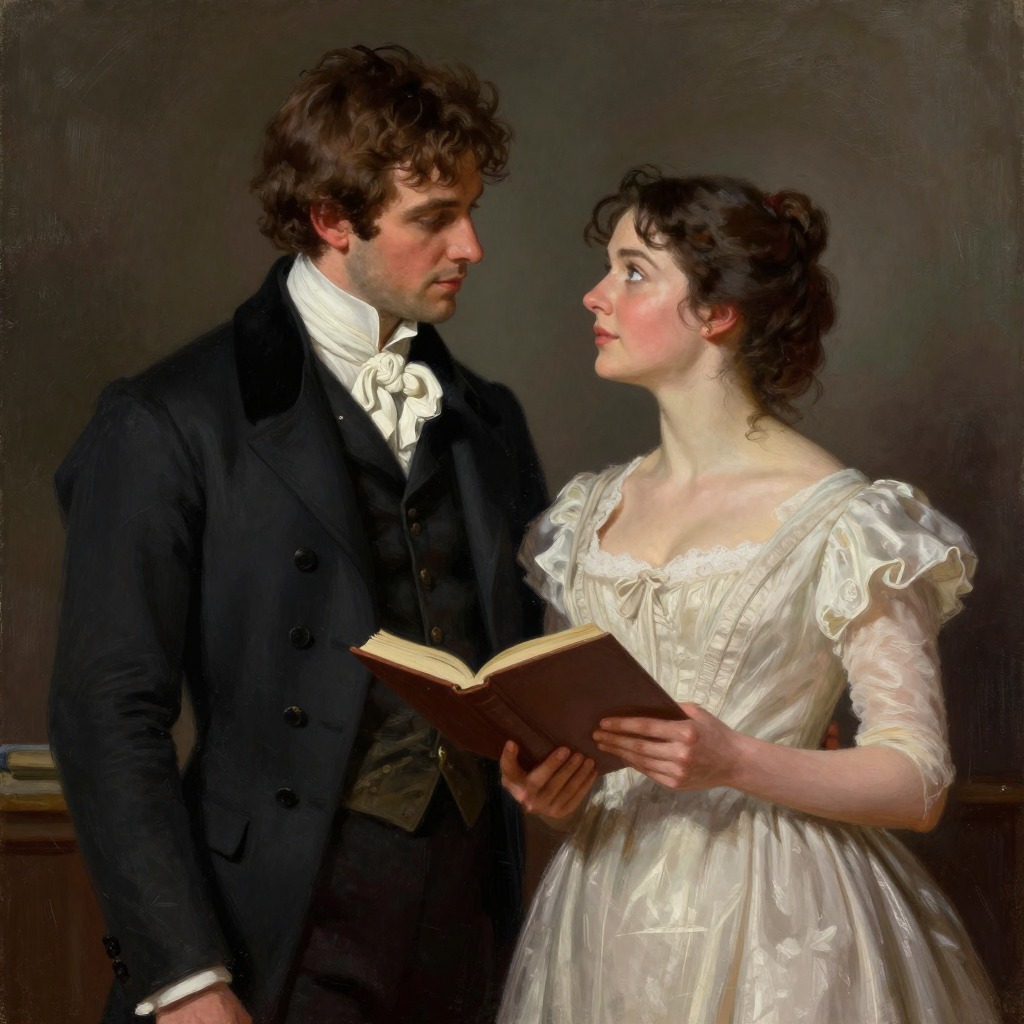
Mr. Knightley's own emotional arc culminates in his declaration of love to Emma. After learning of Frank Churchill's engagement to Jane Fairfax, he rushes to Hartfield, believing Emma to be heartbroken. In the shrubbery, he confesses his love, revealing that he has been in love with her and jealous of Frank Churchill for a long time. His proposal is marked by a sincere, decided, intelligible tenderness, and he offers to live at Hartfield with Emma and her father, a plan that demonstrates his profound devotion and selflessness. The marriage is universally approved, and Mr. Knightley's union with Emma represents the triumph of genuine affection, moral integrity, and clear-sighted judgment over vanity and self-deception.
Thematic Significance
Mr. Knightley embodies the novel's ideals of honesty, integrity, and rational judgment. He is the character against whom all others are measured, and his unwavering moral compass serves as a guide for both Emma and the reader. His role as Emma's critic and eventual partner underscores the theme that true love is not based on flattery or romantic fantasy but on a deep, clear-eyed understanding of another's character, faults and all. His willingness to sacrifice his own independence and home for Emma's happiness represents the highest form of love, one that is grounded in duty, respect, and a commitment to the well-being of others. He is, in essence, the novel's moral center, and his marriage to Emma signifies her final, hard-won maturity.