Back Pages
Back Pages, a used bookstore and newsstand on the corner of Witcham and Main in Derry, serves as a quiet but pivotal crossroads in Ralph Roberts's daily life and in the escalating political tensions that grip the town. It is here that Ralph first encounters the ugly local dimension of the national abortion debate, and it is from this modest shop that he takes a step that will tie him directly to the forces gathering around Susan Day's impending speech.
Location and Proprietor
Back Pages stands next to a jumbled junkatorium called Secondhand Rose, Secondhand Clothes, a juxtaposition that underscores the contrasting sensibilities of the two shopkeepers. The proprietor of Back Pages is Hamilton Davenport, a man Ralph knows well enough to call Ham. Davenport is a vocal supporter of WomanCare and an admirer of Susan Day, whom he describes as "one of the three or four most politically influential women in America right now" and a Pulitzer Prize-winning author. He keeps a petition on his counter to invite Day to speak in Derry, a petition he is eager to have Ralph sign. Davenport's shop has a tobacco smell and is presided over by his old gray tomcat, Winston Smith, who regards the world with yellow-eyed indifference. Ralph visits Back Pages daily to buy a Boston Globe and a USA Today, supplementing the Derry News that is delivered to his home.
The Wanted Poster and the Abortion Debate
On a day in August 1993, as Ralph passes Back Pages, he is stopped by a new poster in the window of the neighboring Secondhand Rose. The poster features two photographs of a pretty blonde woman — unsmiling full face and unsmiling profile against a plain white background — that make her look like a fugitive. The poster is headed "WANTED FOR MURDER" and identifies the woman as Susan Edwina Day, with the red text "STAY OUT OF OUR CITY!" below. It is paid for by the Maine LifeWatch Committee. This poster triggers a memory in Ralph: the chant "Hey, hey, Susan Day, how many kids did you kill today?" which he had heard Ed Deepneau scream during the road rage incident at the airport in the summer of 1992. The memory surfaces only after a moment of struggle, because Ed Deepneau was the last person from whom Ralph would have expected to hear such a thing.
The Petition and Ralph's Decision
Davenport emerges from his shop and, seeing Ralph staring at the poster, launches into an impassioned explanation. He identifies the poster's sponsor as Dan Dalton, the owner of Secondhand Rose, whom he calls a "prick" and a "political Neanderthal." Davenport explains that WomanCare is not merely an abortion clinic but a facility involved in family counseling, spouse and child abuse services, a shelter for abused women, and a rape crisis center. He tells Ralph that the right-to-lifers tried to firebomb WomanCare the previous Christmas and are now trying to use zoning regulations to squeeze it out of existence. Davenport asks Ralph to sign his petition to bring Susan Day to Derry. Ralph hesitates, saying he usually doesn't get involved in confrontational matters, but he thinks of Carolyn, who would have signed it out of ingrained curiosity. He signs the petition, a decision that will have far-reaching consequences.
Narrative Significance
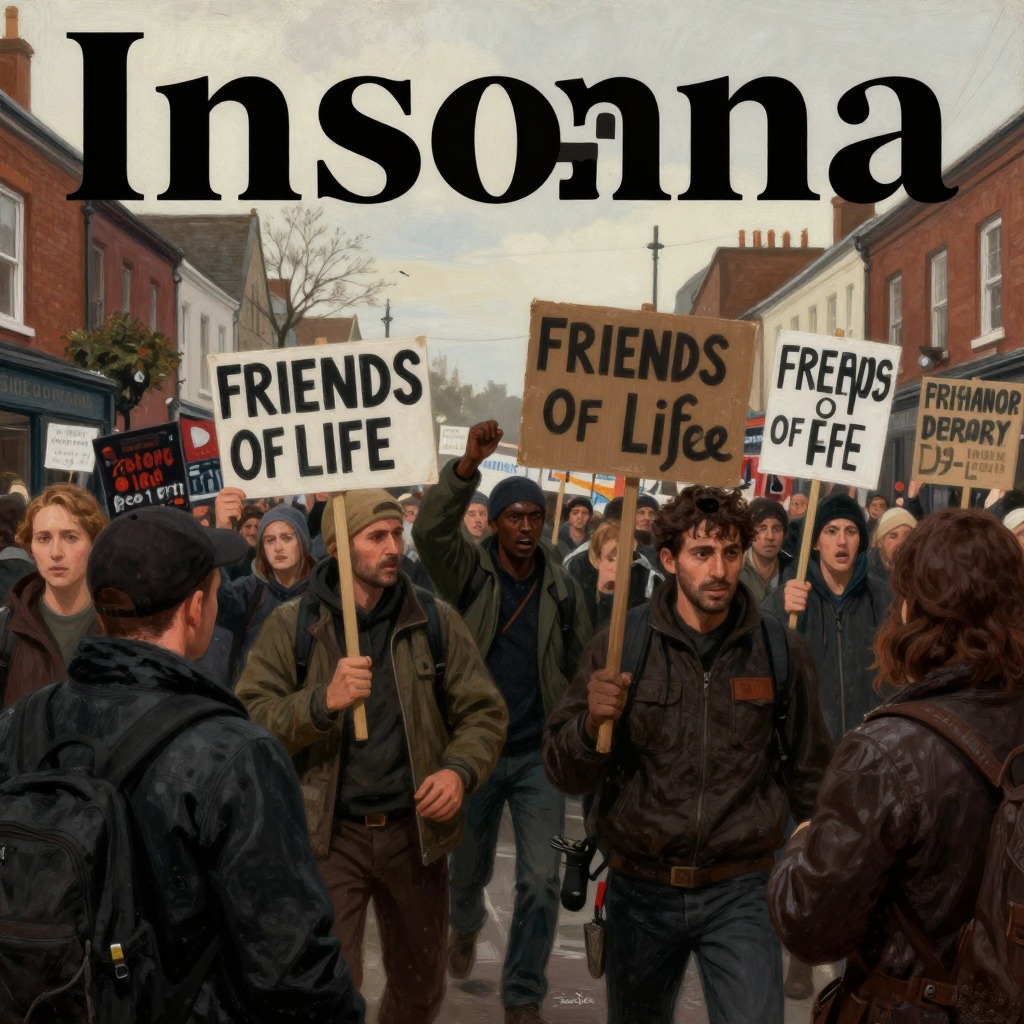
Back Pages functions as a threshold in the novel, a place where Ralph's personal life intersects with the public crisis. It is where he first sees the "Wanted" poster that connects Ed Deepneau's earlier ranting to the organized anti-abortion movement, and where he takes the concrete action of signing the petition that will make him a target. The shop also serves as a point of contrast between the reasonable, if passionate, advocacy of Davenport and the extremist tactics of Dalton and the Friends of Life. The shop's name, Back Pages, suggests the marginal, overlooked nature of the newsstand itself, a fitting location for the small decision that will draw Ralph into the center of a violent conflict.