Spanish Monarchy
The Spanish Monarchy, represented by the Crown of Spain and the Spanish Royal Family, stands as a pivotal institution in the novel, its authority and internal dynamics directly shaping the crisis triggered by Edmond Kirsch's assassination. The monarchy is depicted as a deeply conservative, Catholic institution at a moment of precarious transition, with the aging, bedridden King of Spain nearing death and his son, Prince Julián, poised to inherit a throne burdened by both tradition and scandal. The king's closest confidant, Bishop Antonio Valdespino, a formidable figure in Spain known for his conservative Catholic advocacy and influence over the monarch, embodies the monarchy's entanglement with the Church, a relationship that becomes a focal point of suspicion and conspiracy following Kirsch's murder.
Structure and Political Role
The Spanish Monarchy is a parliamentary monarchy with limited official power, yet it retains enormous influence over the hearts and minds of the Spanish people, serving as a symbol of the nation's rich Catholic tradition and its Golden Age. The Royal Palace of Madrid, Europe's largest royal palace, functions as the monarchy's seat, a sprawling complex of 3,418 rooms that houses priceless religious art and serves as the center of royal operations. The Guardia Real, Spain's oldest and most elite security force, is sworn to protect the royal family, its property, and its honor, and its agents are deeply involved in the events of the night. The monarchy's political position is further complicated by Spain's status as an estado aconfesional, a state with no official religion, a fact that creates tension with the Church's historical influence, particularly through figures like Valdespino, whose close friendship with the king has afforded him unusual sway in palace affairs.
The King and His Legacy
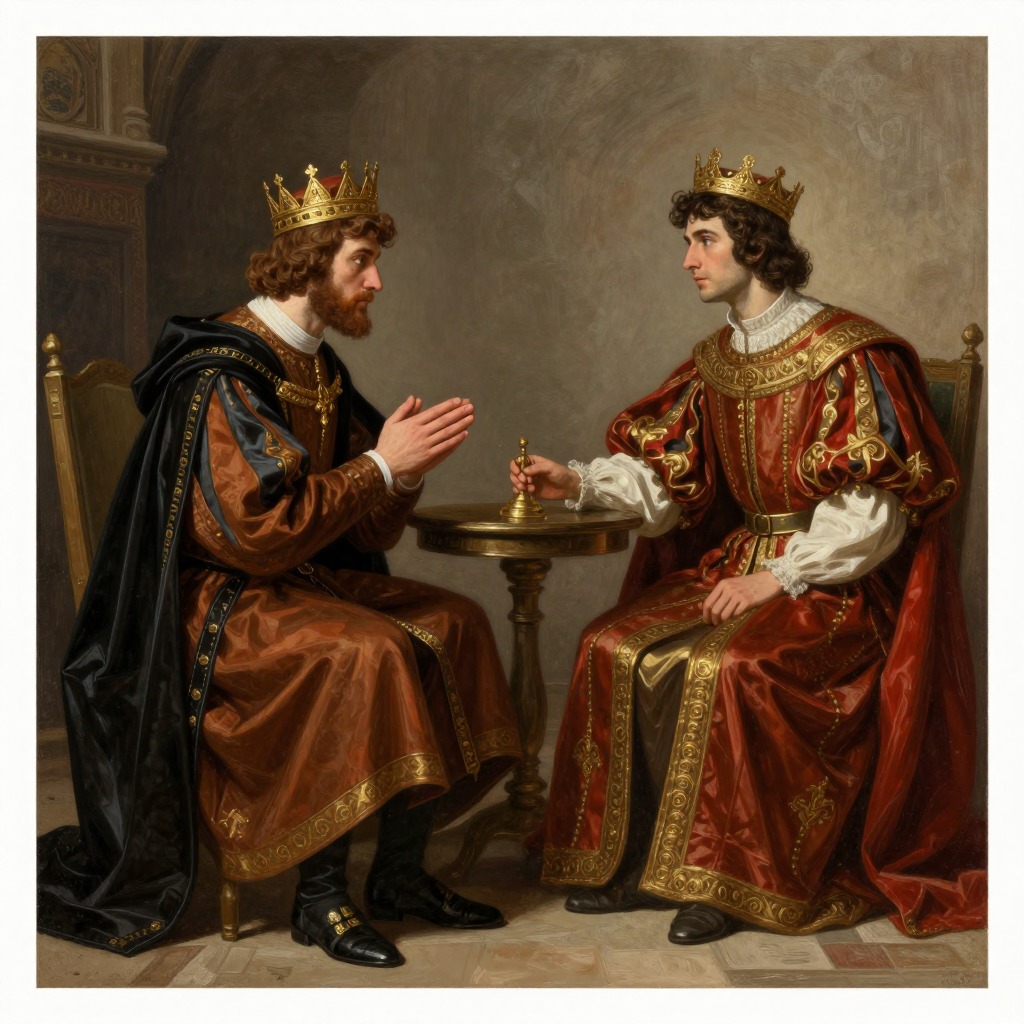
The King of Spain is a dying man, bedridden with a terminal illness and living out his final days at the Palacio de la Zarzuela. His mental faculties are eroding, and the palace has begun the slow transfer of power to his son, Prince Julián. The king is a deeply devout, conservative Catholic who has ruled for over four decades, navigating the country's transition from the dictatorship of General Francisco Franco to a parliamentary monarchy. He has a long and trusted friendship with Bishop Valdespino, whom he has relied upon for counsel and whom he tasked with overseeing his son's moral development. In a climactic scene, the king summons Julián and Valdespino to the Valley of the Fallen, Franco's controversial monument, where he makes a confession that reveals a secret he has kept his entire life: his love for Valdespino was not merely platonic but a deep, romantic bond. The king's final wish is for his son to preserve the Valley of the Fallen not as a shrine to Franco, but as a living museum to teach future generations about the horrors of tyranny and the importance of tolerance.
Prince Julián and the Succession Crisis
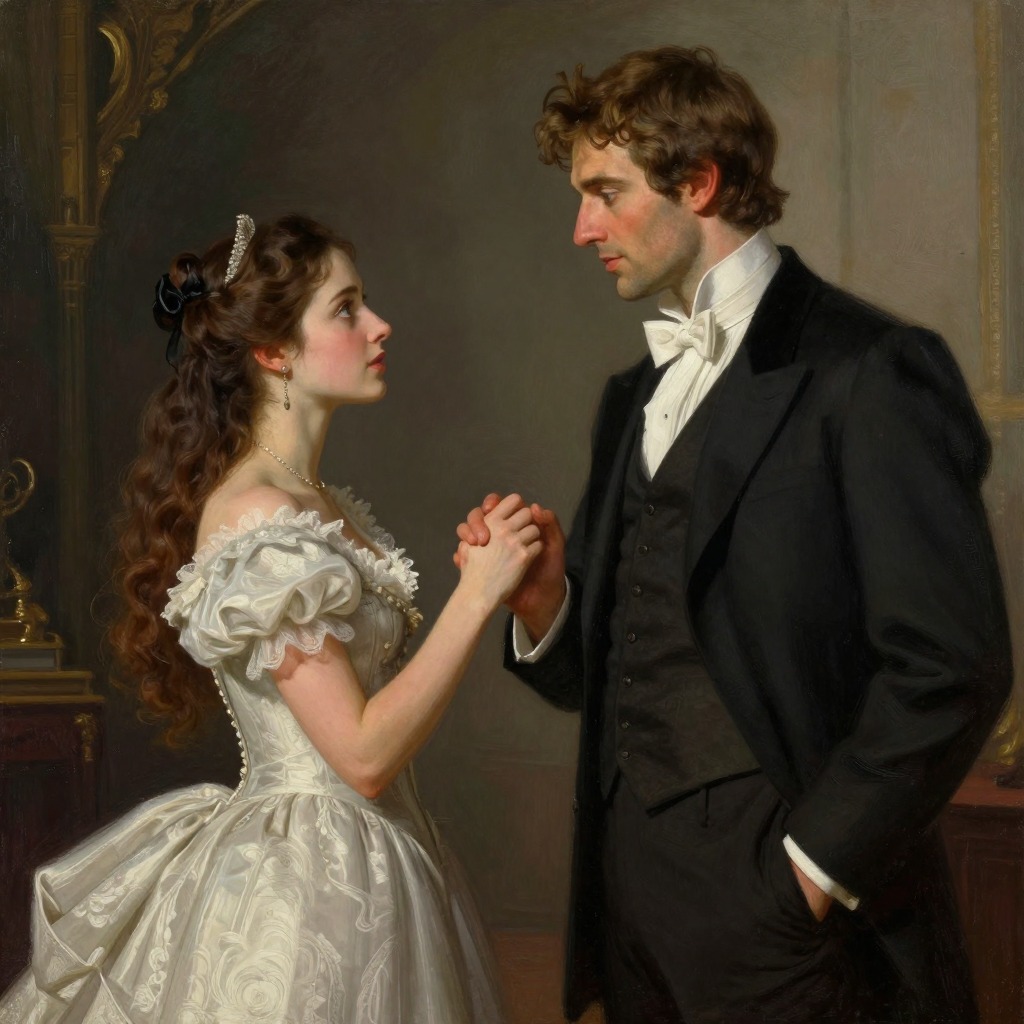
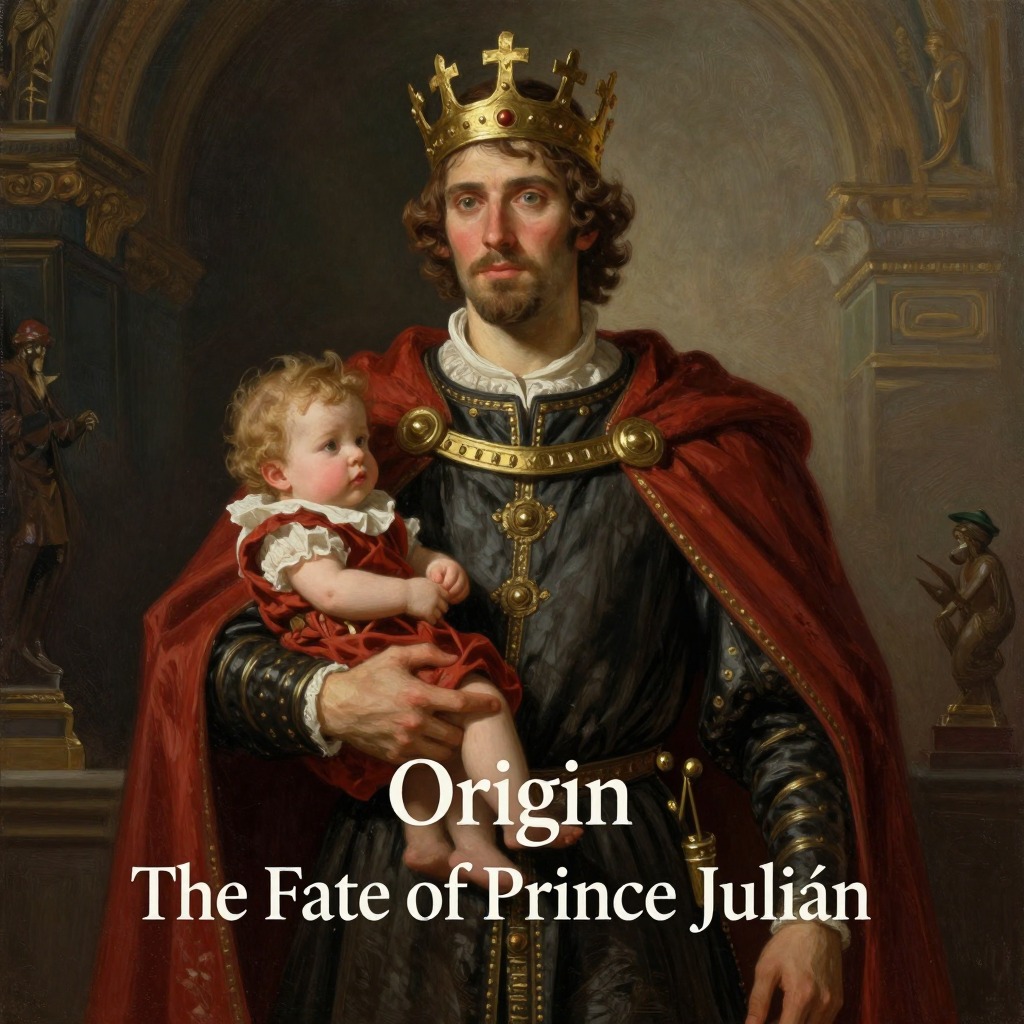
Prince Julián, the forty-two-year-old future king, is a discreet and cautious figure who has lived in the long shadow of his father. He is Spain's most eligible bachelor, and his recent, impulsive engagement to Ambra Vidal, the director of the Guggenheim Museum Bilbao, has thrust him into the national spotlight. The prince is portrayed as a romantic but naive man, whose proposal on live television trapped Ambra in a commitment she was not ready for. As the crisis unfolds, Julián is manipulated by Valdespino, who isolates him from news and security, leading him to believe he is being taken to his dying father. The prince's authority is tested as he is forced to navigate the fallout from the assassination, the false kidnapping story, and the accusations against Valdespino. Ultimately, he learns the truth about his father's relationship with the bishop and, in a moment of profound change, considers the possibility of abolishing the monarchy itself, declaring himself the last king of Spain.
The Monarchy's Vulnerability and the Conspiracy
The Spanish Monarchy is shown to be highly vulnerable to scandal and conspiracy. The assassination of Edmond Kirsch, which occurs at an event hosted by the future queen consort, Ambra Vidal, immediately implicates the palace. The discovery that the assassin, Admiral Luis Ávila, was added to the guest list at the request of someone inside the Royal Palace fuels a firestorm of conspiracy theories, with the public and media suspecting the involvement of the king, Valdespino, or even Prince Julián himself. The palace's PR coordinator, Mónica Martín, is forced to manage a crisis that threatens to destroy the monarchy's reputation, including issuing a false statement claiming Ambra was kidnapped by Robert Langdon. The arrest of Commander Diego Garza, the head of the Guardia Real, on trumped-up charges further demonstrates the internal power struggles and the lengths to which those in power will go to protect the institution. The monarchy's deep ties to the Catholic Church, particularly through Valdespino, become its greatest liability, as the bishop is suspected of orchestrating the murder to silence Kirsch's anti-religious discovery.
Thematic Significance
The Spanish Monarchy in Origin serves as a symbol of the old world order—a conservative, religious, and hierarchical institution that is struggling to adapt to a rapidly changing, secular, and technologically driven society. The novel uses the monarchy's crisis to explore themes of power, tradition, and the clash between faith and science. The king's secret love for Valdespino and his final wish to transform Franco's monument into a museum of tolerance represent a potential for the monarchy to evolve and embrace a more progressive, inclusive future. Prince Julián's contemplation of abolishing the crown reflects the broader societal debate about the relevance of monarchy in the modern world. Ultimately, the monarchy is portrayed as an institution at a crossroads, its fate tied to the ability of its leaders to confront the truth, embrace change, and redefine their role in a world where the old certainties are crumbling.