the note from Rebecca to Favell
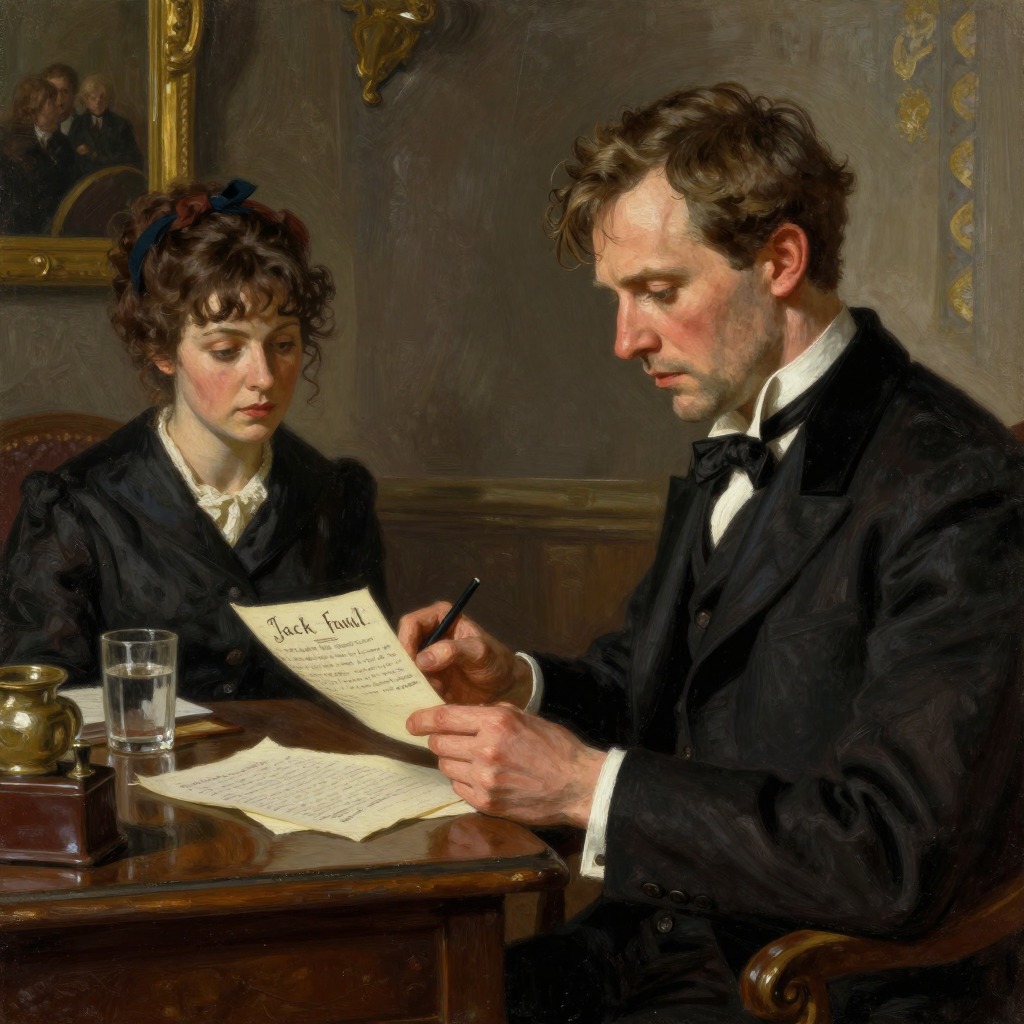
The note from Rebecca to Jack Favell is a brief, urgent message written on the day of her death, in which she tells him she has something to tell him and asks him to follow her to Manderley that evening. It becomes a crucial piece of evidence in the aftermath of the inquest, as Favell uses it to argue that Rebecca could not have committed suicide, and it ultimately leads the party to Doctor Baker, whose revelation about Rebecca's terminal illness provides the motive for her death and resolves the crisis.
Content and Circumstances
The note is written in Rebecca's characteristic slanting hand, with the tall, sloping R dwarfing the other letters. It reads: "I tried to ring you from the flat, but could get no answer. I'm going down to Manders right away. I shall be at the cottage this evening, and if you get this in time will you get the car and follow me. I'll spend the night at the cottage, and leave the door open for you. I've got something to tell you and I want to see you as soon as possible. Rebecca." Favell testifies that he found the note waiting at his flat when he returned at four in the morning, having been out on a party that night. He decided it was too late to drive the six hours to Manderley and went to bed, planning to telephone later; when he did call at noon, he learned Rebecca had been drowned.
Role in the Inquest and Aftermath
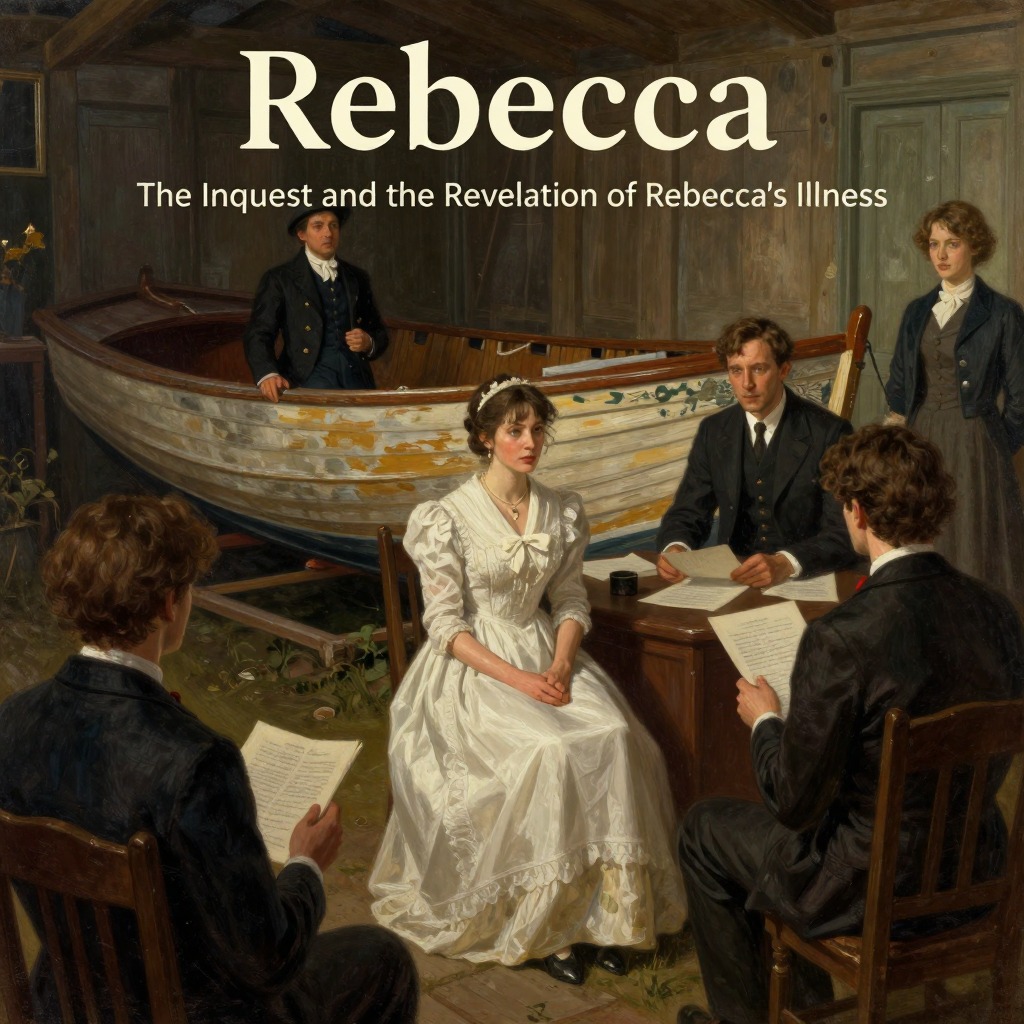
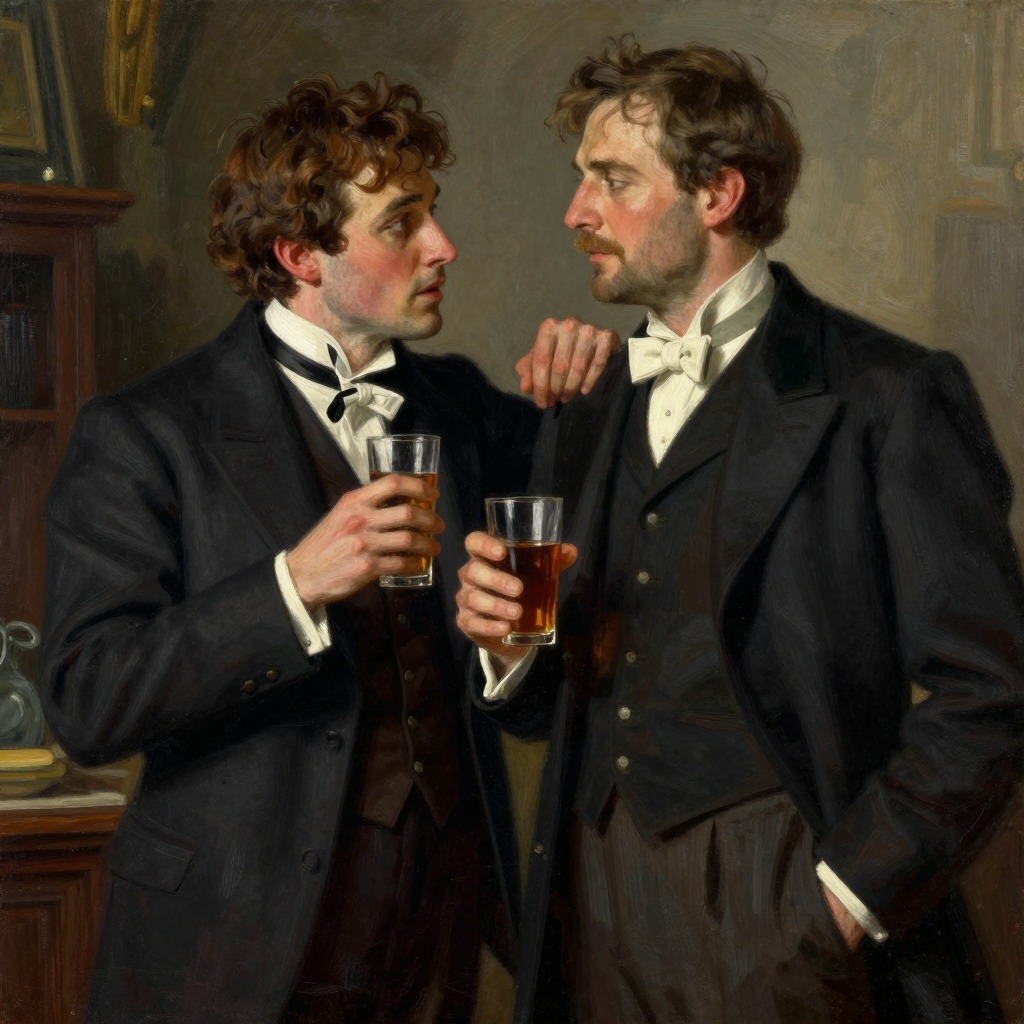
At the inquest, the jury brings in a verdict of suicide, but Favell is not satisfied. He confronts Maxim at Manderley that evening, brandishing the note as proof that Rebecca could not have intended to kill herself. "That's not the sort of note you write when you're going to commit suicide, is it?" he demands. He accuses Maxim of murder and attempts to blackmail him, demanding a settlement of two or three thousand a year for life in exchange for silence. Maxim refuses and telephones Colonel Julyan, the local magistrate, who comes to the house. Favell produces the note again, and Colonel Julyan reads it and agrees that on the face of it, it does not suggest suicidal intent. The note, combined with the discovery of Rebecca's engagement diary, leads the party to the name "Baker" and a telephone number, which Frank Crawley traces to a doctor's consulting rooms in Bloomsbury.
Resolution and Significance
The note's promise of a revelation is fulfilled when the party visits Doctor Baker at his home in Barnet. Baker reveals that the woman who called herself "Mrs Danvers" — Rebecca — had consulted him twice: once for X-rays and once to learn the results. She had a deep-rooted, inoperable growth and would have been under morphia within three or four months. Baker's evidence provides the motive for Rebecca's death — she chose to die rather than face a slow, painful decline — and destroys Favell's case against Maxim. The note, which had seemed to point toward murder, instead becomes the key that unlocks the truth about Rebecca's illness and frees Maxim from suspicion. Favell, shaken by the revelation, abandons his blackmail attempt, and Colonel Julyan warns him to stay away from the district. The note thus functions as a hinge: it nearly destroys Maxim but ultimately saves him by leading to the doctor who can explain why Rebecca would have welcomed death.