
The Town as Collective Memory
'Salem's Lot: A NovelThis flow traces how Jerusalem’s Lot remembers its scandals, suppresses its secrets, and becomes haunted by what it refuses to know.
increasing Bearing strength in each event
 decreasing
Bearing strength in each eventdecreasingThe Gossip Web
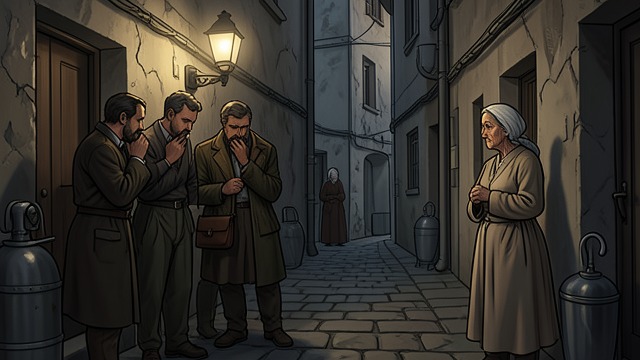
The Gossip Web
Mabel Werts, telephone users, shopkeepers, and old men preserve the town’s history through observation and rumor.
Memory as Social Currency
Knowing who moved, married, cheated, or died gives residents a sense of belonging and power.
The Web’s Blind Spot
The same network cannot understand the new threat because its categories are built for scandal rather than apocalypse.
The Marsten Taboo
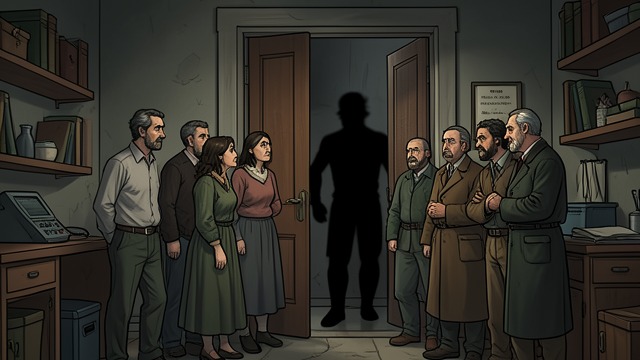
The Marsten Taboo
Residents discuss Hubert and Birdie Marsten’s deaths but avoid the darker stories about their years in the house.
Selective Memory
The town remembers the public facts and suppresses the private ritual, violence, and possible child sacrifices.
Repressed History Returns
When Barlow occupies the house, the forbidden material becomes active. The past returns not as a story but as an event.
Rumor Becomes Evidence
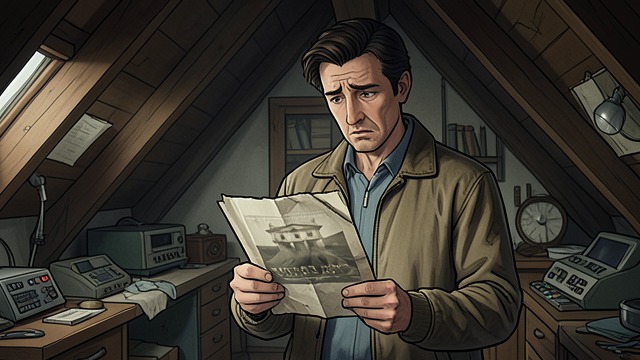
Rumor Becomes Evidence
Stories about earlier child disappearances gain new force after Ralphie vanishes.
Historical Comparison
Ben examines old newspapers and finds that the earlier cases were not ordinary enough to dismiss.
Memory as Warning
The town’s collective memory contains the pattern, but no one assembles it in time. Repetition becomes visible only after danger has returned.
The Town Knows Darkness
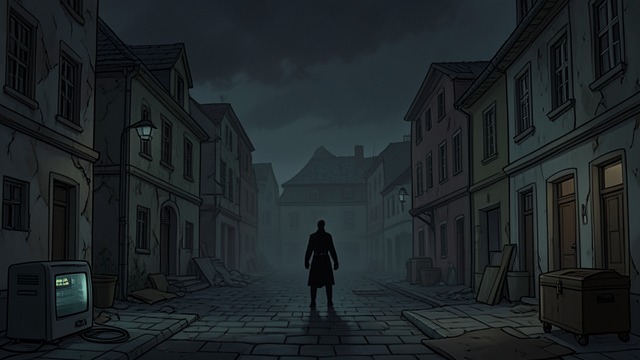
The Town Knows Darkness
The narration reveals secrets that residents do not consciously possess, including violence, abuse, desire, and hidden death.
Collective Unconscious
The town functions as more than a collection of individuals. Its land, buildings, and people preserve one another’s concealed histories.
Evil as Atmosphere
Barlow’s arrival activates what was already present. The town’s darkness becomes a medium through which supernatural evil travels.
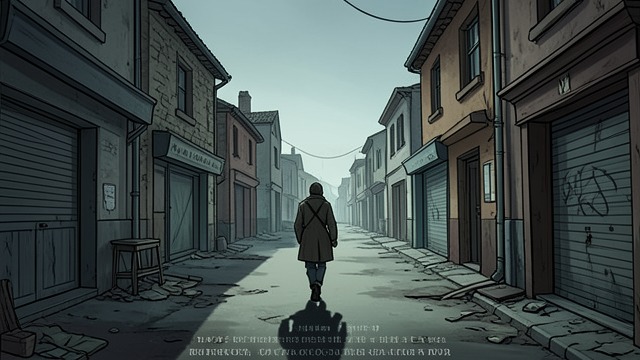
The Deserted Village
The Deserted Village
Jerusalem’s Lot becomes a place avoided by travelers, remembered through abandoned shops, closed houses, and unexplained disappearances.
Memory Without Witnesses
As residents vanish, there are fewer people left to narrate what happened. The town’s history becomes a set of fragments and warnings.
A Living Ghost Town
The settlement is physically present but socially dead. Its continued influence proves that collective memory can survive the people who created it.
Early September 1975
Before September 1975
Late September 1975
October 1975
After the fire
