
The Final Moral Landscape
'Salem's Lot: A NovelThis flow traces the novel’s final synthesis of survival, courage, grief, and the unresolved persistence of evil.
increasing Bearing strength in each event
 decreasing
Bearing strength in each eventdecreasingHeroism Without Triumph
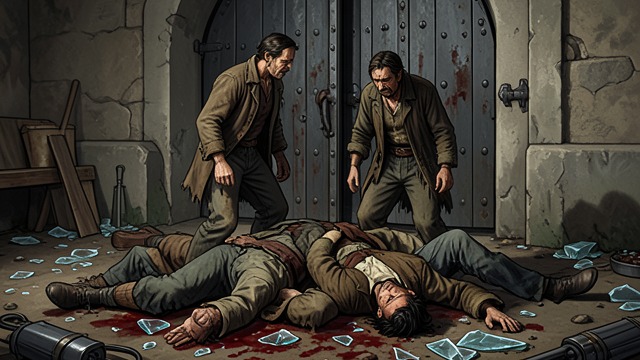
Heroism Without Triumph
Ben and Mark destroy Barlow but lose nearly everyone who helped them.
Victory’s Price
The victory is measured in corpses, ruined families, and psychological damage. Heroism does not restore the world it protects.
Moral Persistence
They act because abandoning the town would make evil uncontested. The value of resistance lies in refusing surrender, not in guaranteeing success.
Grief as Continuation
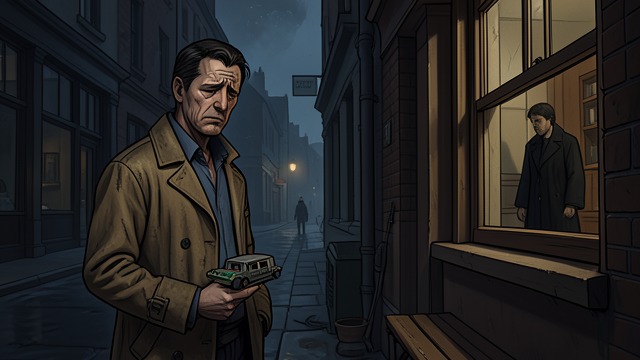
Grief as Continuation
Ben mourns Susan, Jimmy, Matt, and the town while continuing to act against the surviving vampires.
No Clean Mourning
He cannot place the dead safely in the past because the colony remains active. Grief becomes a form of vigilance.
Memory and Duty
The dead continue to shape his decisions. Ben’s sorrow does not paralyze him permanently; it becomes the emotional source of his campaign.
The Child and the Adult
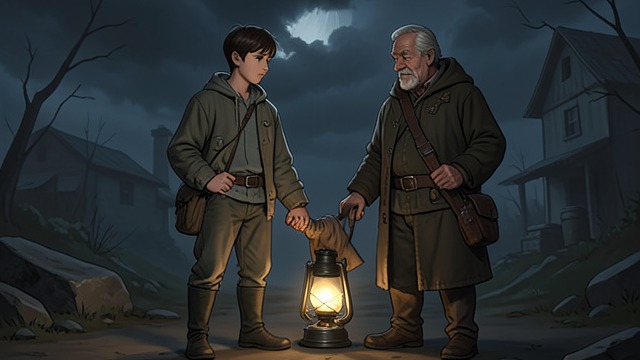
The Child and the Adult
Ben and Mark survive as an unlikely pair whose ages represent different forms of knowledge.
Shared Trauma
Ben carries adult loss and childhood memory; Mark carries childhood perception and sudden adult responsibility.
Complementary Survival
Their alliance suggests that neither mature skepticism nor childhood imagination is sufficient alone. Survival requires both.
The Town’s Unfinished Sentence
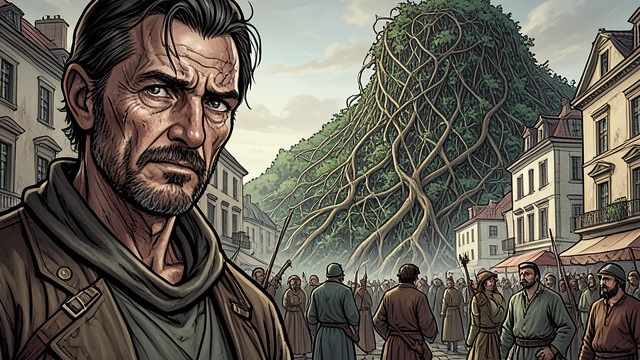
The Town’s Unfinished Sentence
Later clippings show that disappearances and attacks continue around Jerusalem’s Lot after the main action.
Open Narrative
The story refuses to make the town’s destruction a final period. Evidence continues to arrive in fragments.
Meaning of Survival
Ben’s survival carries obligation rather than peace. He must remain a witness and hunter because the original evil has not been fully erased.
Fire Against Darkness
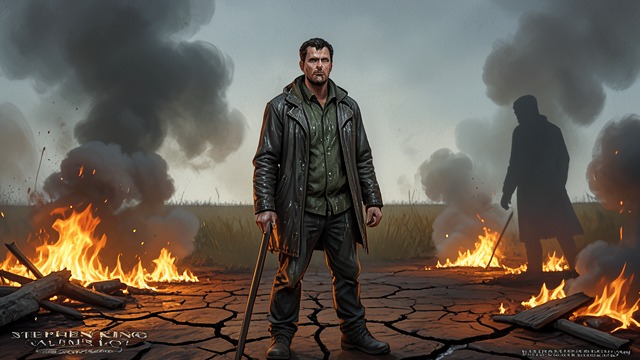
Fire Against Darkness
Ben and Mark return to the town and set the dry landscape burning as a deliberate challenge to the vampires.
Action After Horror
They no longer wait for institutions or explanations. Their knowledge has become a willingness to act decisively.
Hope in a Dangerous Form
The fire is destructive, uncertain, and morally compromised, yet it creates the possibility of daylight. The novel ends with fragile hope earned through continued resistance.
October 6 1975
After October 6 1975
After the escape
Epilogue 1975–1976
October 1976
