
The Story’s Argument About Healing
𝐋𝐚𝐜𝐮𝐧𝐚 | 𝑱𝒆𝒐𝒏 𝑱𝒖𝒏𝒈𝒌𝒐𝒐𝒌This flow traces the novel’s movement from isolation and self-destruction toward imperfect recovery through agency, care, and accountability.
increasing Bearing strength in each event
 decreasing
Bearing strength in each eventdecreasingIsolation as Defense
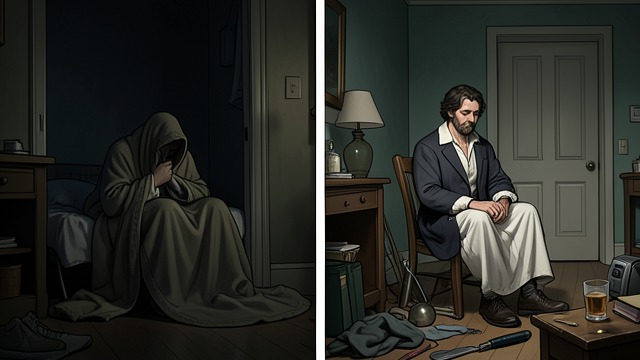
Isolation as Defense
Withdrawal
Shelby avoids people and hides her distress; Jungkook uses violence, sex, and substances to avoid vulnerability.
Parallel defenses
Their outward behavior differs, but both are ways of surviving pain without asking for help.
Care Without Cure
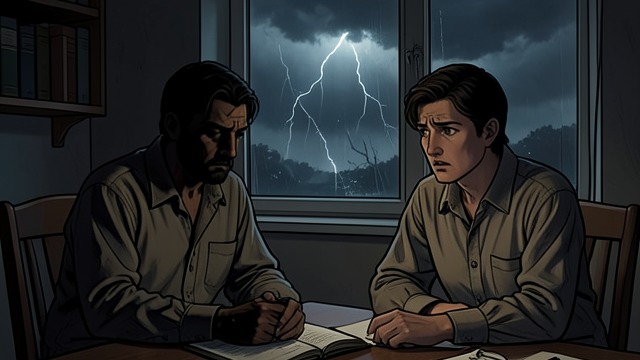
Care Without Cure
Presence matters
They learn to sit with nightmares, panic, and difficult silences rather than promising to erase them.
Healing remains gradual
Love supports recovery, but counseling, boundaries, and personal effort remain necessary.
Violence Loses Its Authority

Violence Loses Its Authority
Repeated choices
Jungkook gradually steps away from illegal fights and learns to pause before responding with force.
No instant transformation
Relapses and anger remain possible, but they no longer define every decision he makes.
Accountability Against Influence
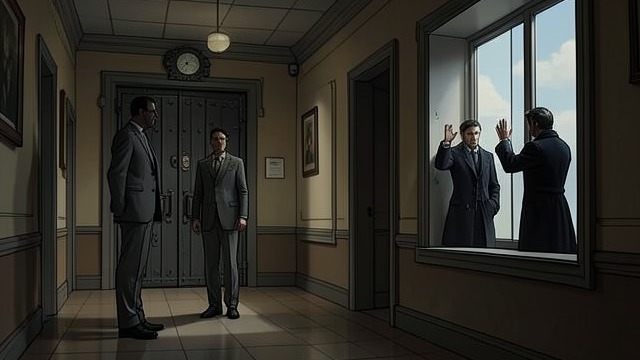
Accountability Against Influence
Two legal struggles
Jungkook reports Kayla’s assault, and Shelby testifies against Robert Jefferson.
Justice is contested
The cases expose how money, reputation, and victim-blaming can protect abusers until evidence and testimony challenge them.
A Life Still Unfolding

A Life Still Unfolding
A deliberate beginning
The couple choose a home, work, and a future together after leaving Ellensburg.
No final cure
Their ending emphasizes continued growth rather than a miraculous erasure of trauma, anger, or memory.
At the opening of the university year
Autumn, after Shelby and Jungkook begin helping each other
From late autumn through the move to Los Angeles
From the Kayla case through Jefferson’s trial
After graduation and into the Los Angeles life
