
Childhood Magic and Adult Horror
'Salem's Lot: A NovelThis flow traces how childhood imagination moves from play and fear into practical knowledge and moral courage.
increasing Bearing strength in each event
 decreasing
Bearing strength in each eventdecreasingGames of War
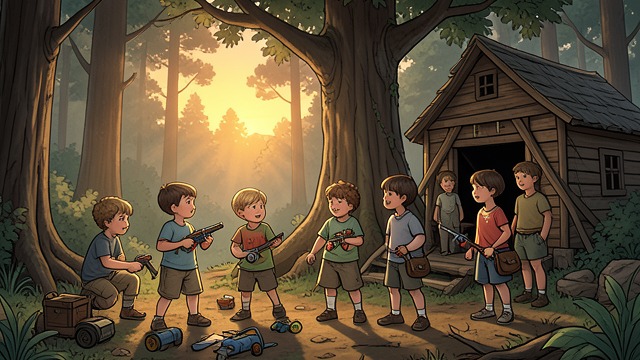
Games of War
Children in Jerusalem’s Lot play pirates, war, and monster games around the town’s woods and houses.
Imagination as Practice
Their games rehearse danger without fully understanding it. The Marsten House becomes a playground object before it becomes a true site of evil.
Childhood’s Double Edge
Play gives children courage and language, but it also opens spaces where genuine horror can enter unnoticed.
The Childhood Haunting
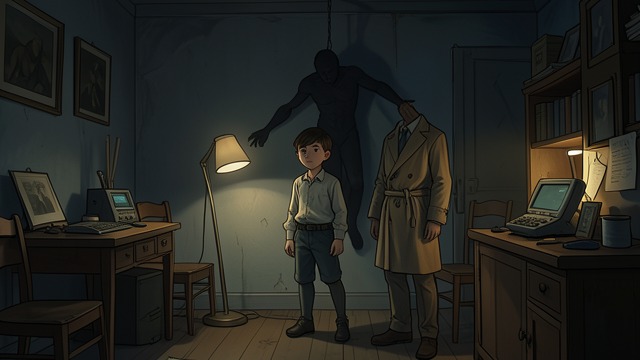
The Childhood Haunting
Ben’s vision of Hubert Marsten hanging in the upstairs room becomes the central image of his adult fear.
Memory as Monster
The event remains uncertain in causal terms but absolute in emotional effect. Ben’s body remembers the house even when his intellect doubts the vision.
The Past Waiting
When he returns, the house seems to have waited for him. Childhood has not disappeared; it has become an unfinished demand.
Mark’s Monster Education
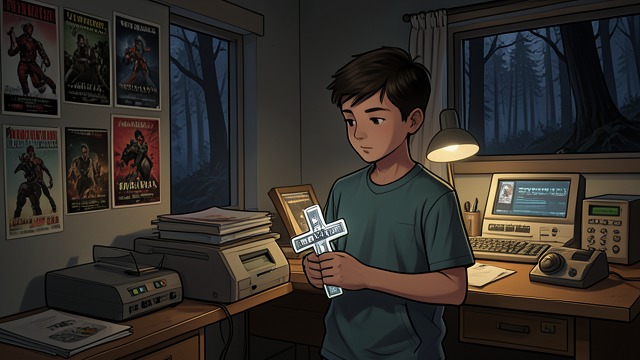
Mark’s Monster Education
Mark learns vampire rules from monster magazines, horror models, and films that adults dismiss as corrupting entertainment.
Popular Culture as Preparation
The fictional rules are incomplete but useful. Mark possesses categories that adults lack when reality becomes impossible.
Imagination Becomes Competence
His plastic cross, knowledge of invitations, and awareness of vampire behavior help him survive. The child’s supposedly useless culture becomes practical expertise.
Adult Rationalization
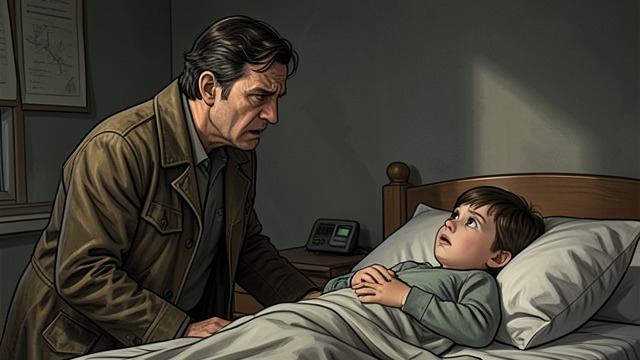
Adult Rationalization
Adults interpret children’s fears as dreams, mischief, pathology, or overactive imagination.
The Cost of Maturity
Henry Petrie’s dismissal of Mark’s account demonstrates how adult reason can become a defensive refusal to see.
Childhood’s Advantage
Mark understands that fear may be information. His willingness to believe what he sees allows him to act before adults have finished debating.
The Surviving Child
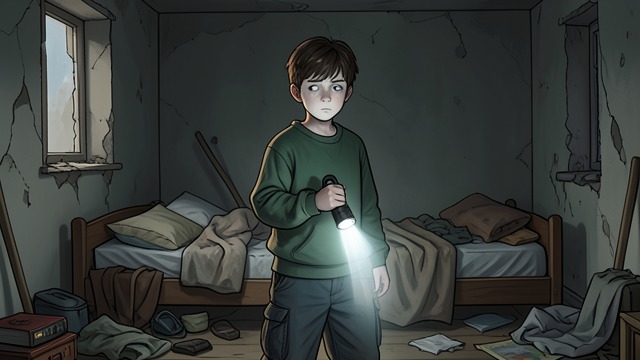
The Surviving Child
Mark survives the destruction of his family and becomes Ben’s partner in the continuing struggle.
Innocence Lost
He cannot return to ordinary childhood after seeing the Undead and losing his parents. Yet he retains discipline rather than surrendering to despair.
A New Form of Maturity
Mark’s adulthood begins through responsibility, not age. He carries childhood knowledge into a future defined by vigilance.
Ben’s childhood in 1951
Summer 1951
September to October 1975
October 5 1975
After October 6 1975
