
Randolph Bourne’s Dissent
1919This flow follows Randolph Bourne from progressive hope to principled opposition and a posthumous warning about state power.
increasing Bearing strength in each event
 decreasing
Bearing strength in each eventdecreasingA Scholar Outside the Mainstream
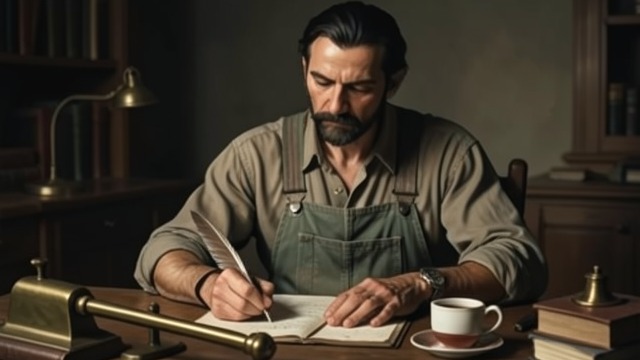
A Scholar Outside the Mainstream
Intellectual formation
Randolph Bourne works his way through education and journalism despite poverty, disability, and poor health. He builds an independent public voice from observation and argument.
Hope for reform
He initially sees promise in progressive democracy and the political language associated with Woodrow Wilson. That hope gives his later disillusionment its force.
The War Reverses Reform
The War Reverses Reform
Ideals repurposed
As the country mobilizes, Bourne sees the language of democracy and reform redirected toward conscription, war loans, and suppression of dissent.
A break with liberalism
He resigns from The New Republic and publishes antiwar arguments where he can. The conflict is no longer merely policy: it concerns whether liberals will defend principle when the state demands conformity.
Isolation and Surveillance
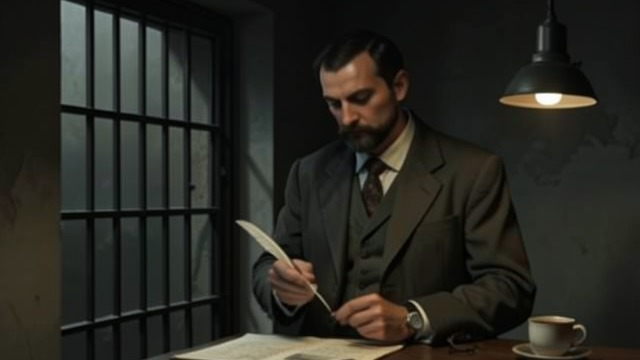
Isolation and Surveillance
The social cost of dissent
Randolph Bourne loses professional support and faces pressure from friends and family to conform. His arguments leave him increasingly isolated.
State suspicion
Authorities monitor and harass him, turning political dissent into a personal vulnerability. The treatment demonstrates how quickly the language of national emergency can narrow public debate.
The Death of Bourne
The Death of Bourne
An unfinished future
Randolph Bourne dies after the armistice while planning an essay on future radicalism in the United States.
A warning that remains
His death prevents a fuller political reckoning, but his critique survives as a challenge to the assumption that war strengthens the public good.
War and the State
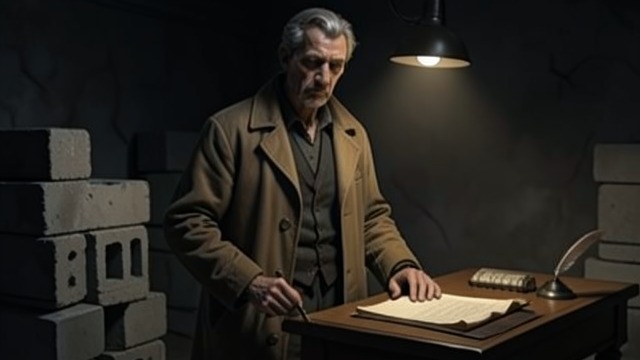
War and the State
A compressed argument
Bourne’s statement that war is the health of the state distills his account of reform transformed into obedience and coercion.
A continuing test
The book returns to his words through later scenes of policing, censorship, and imprisonment. His dissent becomes a measure against which the postwar order can be judged.
Before the United States enters the war
In the spring of 1917
During wartime repression
Six weeks after the 1918 armistice
In the years after Randolph Bourne’s death
