
Theodore Roosevelt’s Warrior Ideal
1919This flow follows Theodore Roosevelt’s construction of the vigorous reformer-warrior persona and its limits in the modern war era.
increasing Bearing strength in each event
 decreasing
Bearing strength in each eventdecreasingThe Sickly Boy
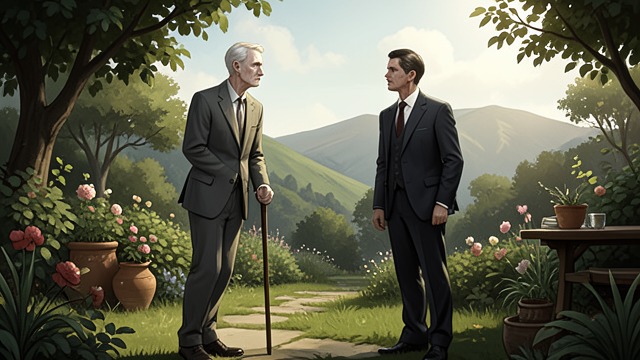
The Sickly Boy
Discipline as self-creation
Theodore Roosevelt begins with asthma, poor eyesight, and physical weakness. His family encourages exercise and public service as means of overcoming his limitations.
A prepared persona
He turns self-improvement into a moral and political style. The ideal of strenuous action later allows him to present privilege as earned vigor.
The Western Reinvention
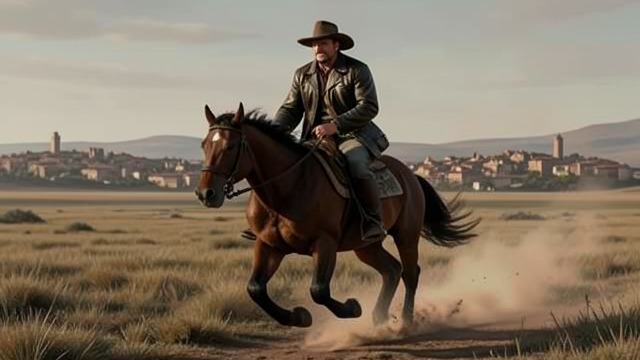
The Western Reinvention
Grief and escape
After the death of his first wife, Theodore Roosevelt retreats to the Dakota badlands and takes up ranching.
A public character
He returns east with a western identity as hunter, lawman, and man of action. The image becomes political capital, linking personal resilience with the nation’s expansionist self-image.
The Rough Riders
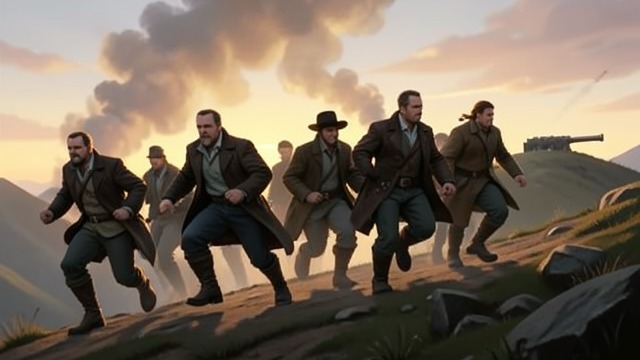
The Rough Riders
A heroic performance
Theodore Roosevelt resigns as assistant secretary of the Navy and leads the Rough Riders during the war with Spain.
The story outruns the battle
His charge at San Juan Hill becomes a national spectacle, though the account complicates the legend with questions about the battle’s necessity and who performed the hardest labor.
The Progressive Challenge
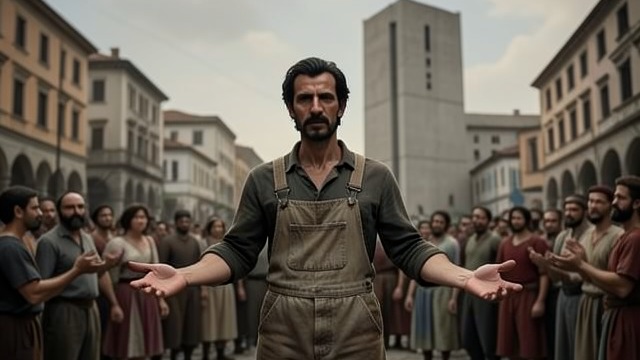
The Progressive Challenge
A return to reform
Theodore Roosevelt breaks with the Republican establishment and campaigns as a champion of the common people through the Progressive Party.
A lost spell
The campaign’s idealism fails to transform political power. The defeat marks a decline in Roosevelt’s influence just as international conflict begins to dominate public attention.
An Amateur Warrior Left Behind
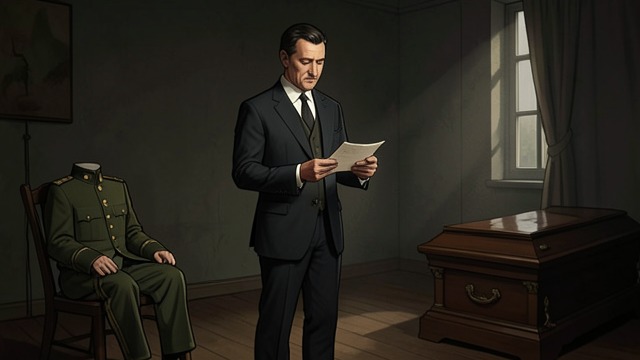
An Amateur Warrior Left Behind
A war he cannot command
Theodore Roosevelt urges a more aggressive response to Germany and wants to lead troops, but the administration refuses to let him take a division overseas.
The end of the persona
His son dies in the war, and Roosevelt himself declines and dies in 1919. The modern conflict has no place for the amateur warrior’s self-fashioned role.
During Theodore Roosevelt’s youth
After his first wife’s death
During the Spanish-American War
During the 1912 presidential campaign
During and after World War I
