
The House of Morgan’s Expansion
1919This flow traces the Morgan financial dynasty’s accumulation of power through crises, war finance, and postwar influence.
increasing Bearing strength in each event
 decreasing
Bearing strength in each eventdecreasingA Family of Financiers

A Family of Financiers
Building connections
The Morgan family expands from insurance and mercantile ventures into international finance. Each generation inherits networks that make private capital increasingly influential.
Power through structure
Interlocking interests connect banks, railroads, industry, and shipping. The novel presents finance not as a single villain but as a durable system of relationships.
Crisis as Opportunity
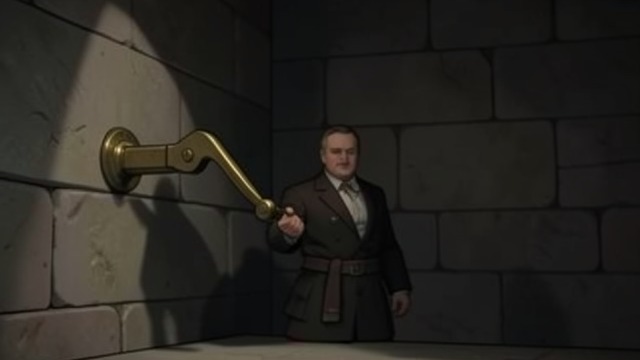
Crisis as Opportunity
Public need
A financial crisis leaves government officials unable to stabilize markets as gold drains away and hardship spreads.
Private leverage
J. Pierpont Morgan offers a solution and strengthens his authority. The episode illustrates how emergency dependence can transfer public power to private financiers.
War Loans
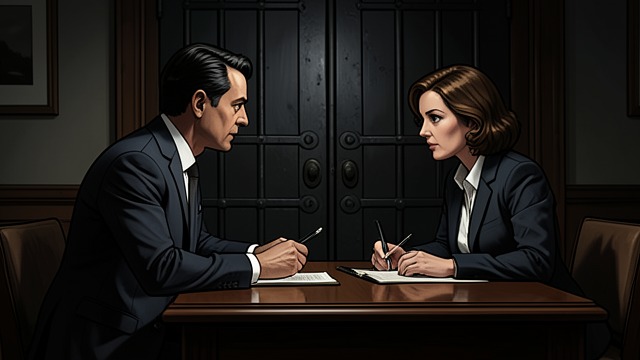
War Loans
Credit and conflict
The House of Morgan arranges substantial financing for the Allied Powers, linking American capital to the continuation of the war.
Profit and patriotism
Public language celebrates democracy, while financial relationships create material stakes in the outcome. The book asks whether national purpose can be separated from the interests underwriting it.
The Open-Shop Position
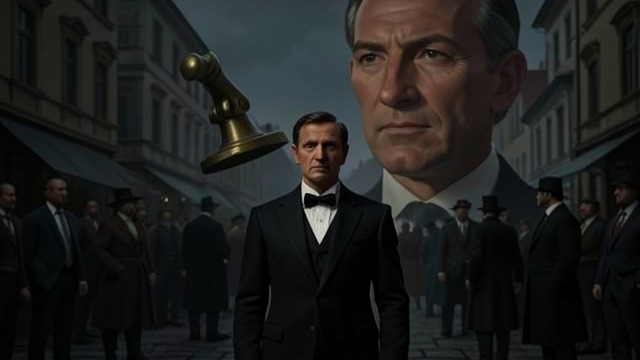
The Open-Shop Position
Capital takes a side
J. P. Morgan publicly congratulates industrial leadership for defending the open shop during labor conflict.
Liberty redefined
His statement frames employer authority as a defense of American principles. The contrast with workers’ demands exposes how shared political language can conceal opposed material interests.
Power After the Armistice
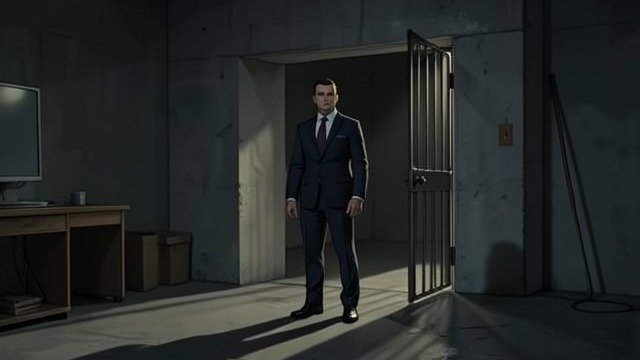
Power After the Armistice
Influence without office
The end of fighting does not end financial power. The peace settlement and its resource disputes give corporate interests new opportunities to shape policy.
War’s afterlife
The Morgan story completes the novel’s argument that armistice can preserve the structures that made conflict profitable. Peace changes the language of power more readily than its ownership.
From the nineteenth-century Morgan beginnings
During the Panic of 1893
During World War I
During the postwar steel strike
During the Paris peace negotiations
