
The Battle over the Paris Streets
1919This flow traces the escalation of postwar protest from labor grievances to street fighting and the suppression of dissent.
increasing Bearing strength in each event
 decreasing
Bearing strength in each eventdecreasingA Demand for Peace
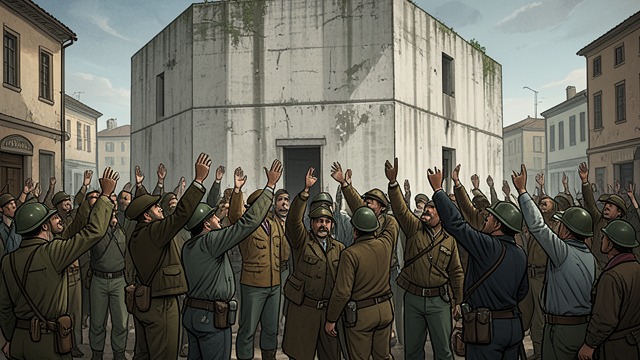
A Demand for Peace
Labor makes a public claim
Workers and veterans gather around slogans joining labor rights to peace. Their demonstrations challenge the claim that victory has restored social harmony.
Authorities prepare to contain them
Police and military forces watch the crowds closely. The conflict is political before it becomes physical: who may speak for the postwar public?
The Avenue Confrontations
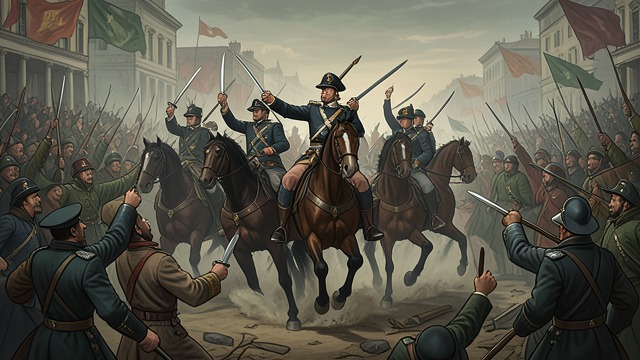
The Avenue Confrontations
Crowds and mounted police
Protesters gather across Paris while the Republican Guards ride into crowds and use their swords to force people back.
A protest becomes a clash
The presence of armed authority changes the character of the demonstration. The streets expose a widening gap between promises of popular sovereignty and the state’s willingness to control public space.
Barricades and Gunfire
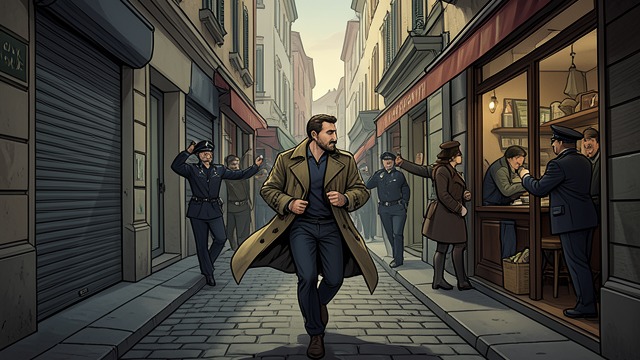
Barricades and Gunfire
Disorder escalates
Protesters tear up street grates and throw stones and metal at police. Revolver shots are heard, and an older bystander is struck.
A fragile refuge
The narrator escapes into a café with another fugitive as shutters close. The abrupt retreat makes the threat immediate and personal.
The State Restores Order
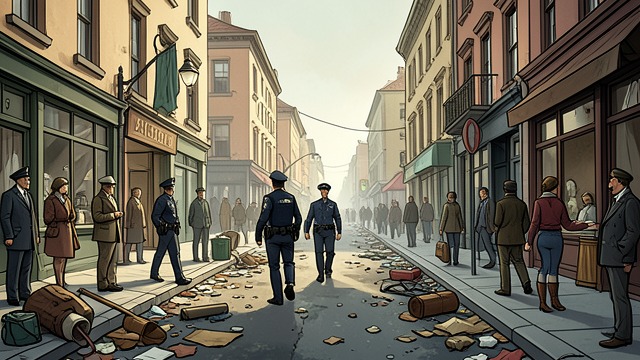
The State Restores Order
Public space emptied
Police pressure disperses demonstrators and leaves debris in the streets. The city resumes ordinary movement without resolving the workers’ grievances.
Order as an outcome
The suppression presents a visible return to calm, but the underlying conflict remains. The episode prefigures a postwar politics in which restored order can mean silencing demands.
The Unfinished Peace
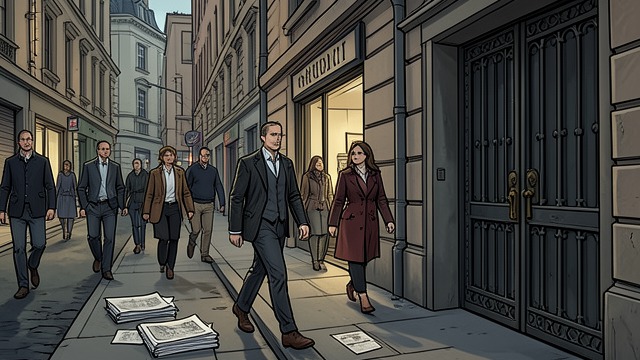
The Unfinished Peace
Conflict beyond the barricades
Strikes and protests continue to echo through headlines, political conversation, and personal memory. The apparent calm does not erase fear or anger.
A war turned inward
The conflict shifts from armies to workers, police, and political movements. The city’s unrest supports the novel’s view that peace can reproduce the violence of war in another form.
Early in the 1919 unrest
During the 1919 Paris general strike
As the demonstration spreads toward Gare de l’Est
After the peak street confrontations
After the Paris street clashes
