
The Migration from War to Peace
1919This flow traces how the armistice changes the form of conflict without delivering a stable or equitable peace.
increasing Bearing strength in each event
 decreasing
Bearing strength in each eventdecreasingThe Armistice Request
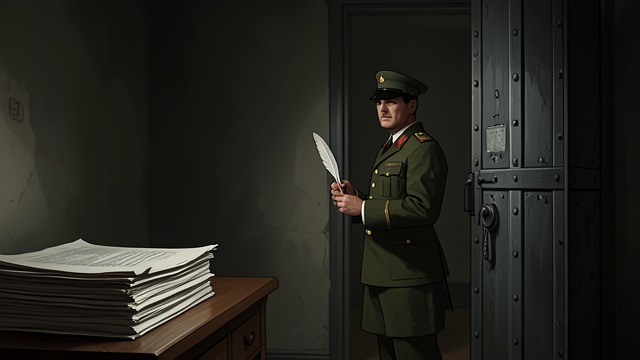
The Armistice Request
A plea to stop the fighting
Germany requests an armistice on terms associated with Woodrow Wilson’s public program. News of the request circulates alongside doubt and rumors.
Peace remains uncertain
The request does not immediately end violence or settle political claims. The novel presents the transition as a suspenseful interval rather than a clean turning point.
The November Celebration
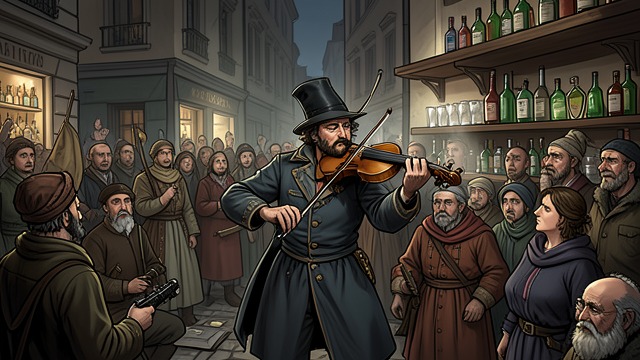
The November Celebration
Public release
The armistice brings crowds, music, drinking, and exuberant celebration in Europe and the United States.
The unresolved aftermath
The characters experience relief, but they have not escaped financial insecurity, political surveillance, or social conflict. The celebration marks the end of battlefield fighting, not the end of the novel’s crises.
The Peace Conference
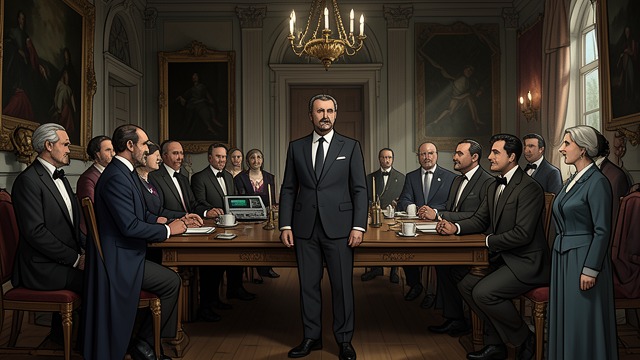
The Peace Conference
High hopes in Paris
Woodrow Wilson arrives as a figure onto whom Europeans have projected hopes for peace and self-determination.
Power narrows the promise
The negotiations shift toward a small group of leaders and strategic bargaining. Public ideals encounter the territorial and economic interests that define the settlement.
The Treaty’s Compromises
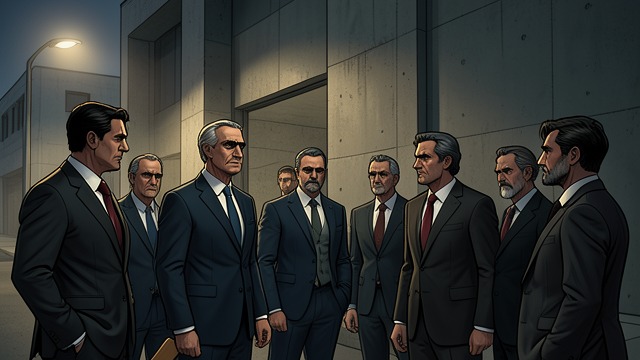
The Treaty’s Compromises
A settlement is assembled
The leaders produce a treaty after bargaining over borders, mandates, and resources. Wilson must return home to defend a result that does not match his public program.
Victory without reconciliation
The settlement ends one phase of war but leaves new grievances and contested claims. Peace appears as a negotiated balance of power rather than a just resolution.
The Postwar Crackdown
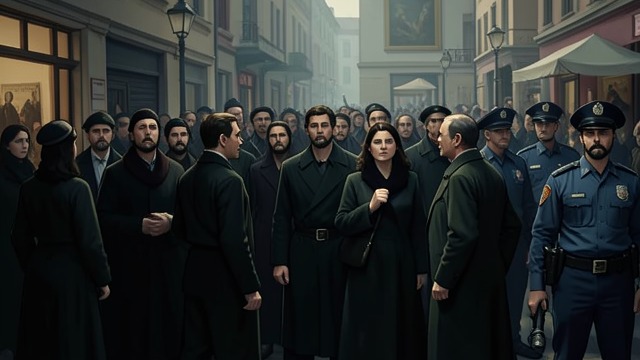
The Postwar Crackdown
Conflict moves home
Strikes, political demonstrations, and labor organizing become targets of surveillance and force. Wartime habits of emergency authority persist after the armistice.
Peace as continuation
The novel links postwar repression to the unresolved structure of wartime power. The fighting has changed location and language, but the contest over who controls public life continues.
In the autumn of 1918
On 11 November 1918
Beginning in January 1919
When the Treaty of Versailles is completed
During the first postwar year
