
The Camera Eye’s City of Paris
1919This flow follows Paris as a shifting sensory landscape in which beauty, work, pleasure, and political unease coexist.
increasing Bearing strength in each event
 decreasing
Bearing strength in each eventdecreasingA City Entered Through Senses
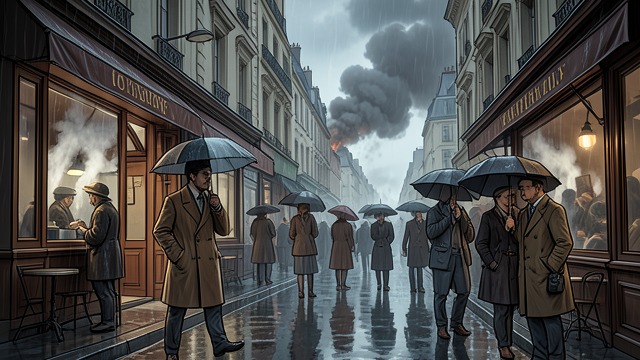
A City Entered Through Senses
Detail before explanation
The Camera Eye renders Paris through food, streets, weather, architecture, and overheard voices. The city arrives as immediate sensation rather than an orderly guidebook.
A temporary refuge
Its intimate cafés and rooms offer pleasure after war service, but the city remains under threat from censorship and air raids.
The Bertha’s Shadow
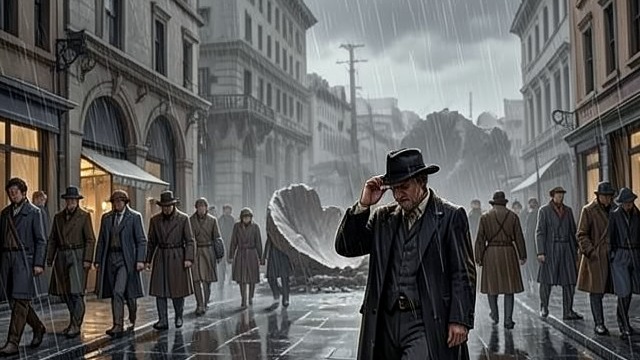
The Bertha’s Shadow
Danger enters daily life
A distant artillery shell interrupts ordinary activity, while residents respond with irritation, curiosity, or practiced indifference.
Fear becomes routine
The juxtaposition of bombardment and everyday urban habits shows how people accommodate danger. The city’s beauty does not erase its exposure to war.
Markets and Manifestos
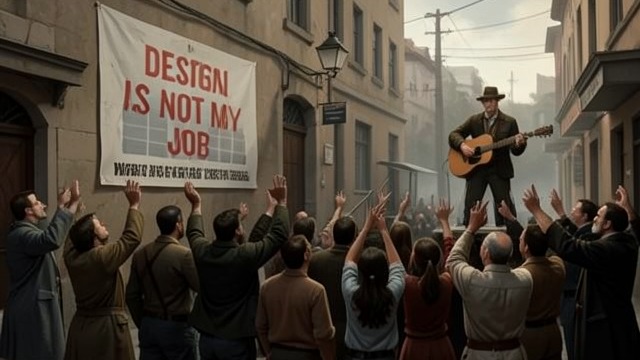
Markets and Manifestos
Art beside politics
The Camera Eye moves among galleries, music, cafés, political slogans, and working-class demands. Paris appears at once as a center of culture and a site of social division.
The city refuses one meaning
Beauty and radical argument occupy the same streets. Neither can wholly cancel the other, making the city a shifting measure of the narrator’s hopes.
The General Strike Streets
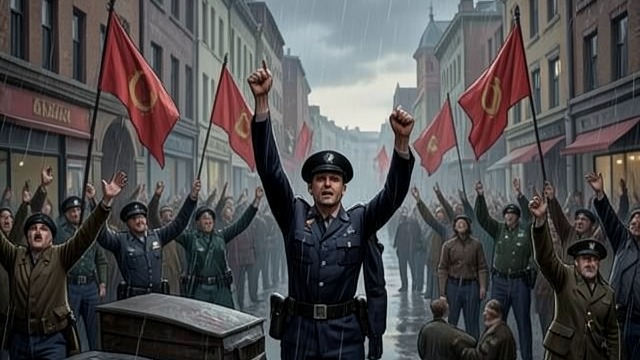
The General Strike Streets
Political movement in real time
The narrator walks through closed transport gates, red flags, police lines, and crowds chanting against war and authority.
The sensory becomes political
Rain, noise, and fear shape the account as strongly as slogans. Paris’s avenues cease to be scenery and become the ground of open conflict.
An Ordinary Morning Again
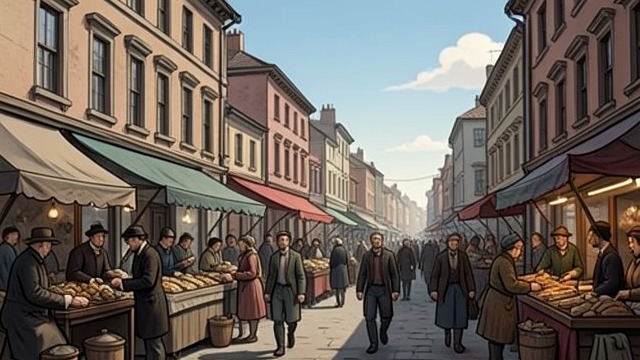
An Ordinary Morning Again
Routine reappears
After violence disperses the crowds, familiar cafés, markets, and streets return to view. The ordinary city seems to absorb the crisis.
Memory remains unsettled
The city’s ability to resume routine does not resolve the conflict. The Camera Eye preserves the moment when ordinary life briefly revealed its political foundations.
During the narrator’s wartime arrival in Paris
During the bombardment of Paris
During the late-war period in Paris
During the 1919 Paris general strike
After the worst street clashes
