
The Promise and Failure of Progressive Reform
1919This flow traces progressive reform as a recurring promise that attracts idealists but repeatedly yields to established power.
increasing Bearing strength in each event
 decreasing
Bearing strength in each eventdecreasingBourne’s Reform Education
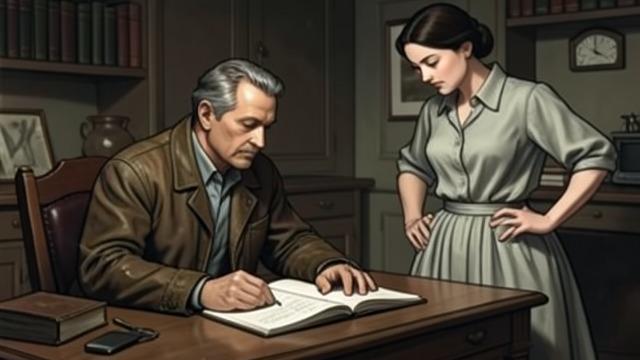
Bourne’s Reform Education
Hope in democratic reform
Randolph Bourne studies reformist ideas and initially sees a path toward a more democratic society. His intellectual formation is shaped by teaching and journalism.
A test of principle
The war forces him to ask whether reform survives when the state demands unity. His answer becomes a refusal to confuse government power with public welfare.
Hibben’s Rooseveltian Faith
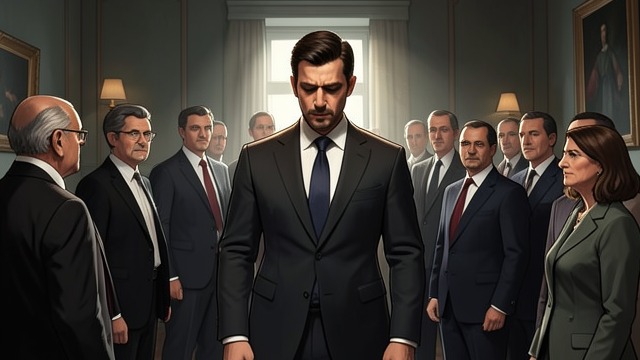
Hibben’s Rooseveltian Faith
Reform through leadership
Paxton Hibben believes Theodore Roosevelt’s progressive politics can challenge privilege and improve public life.
Disillusionment at the convention
The political spectacle of the Progressive Party convention persuades him that reform rhetoric can be absorbed by the same machinery it promises to change.
Wilson’s Reform Promise
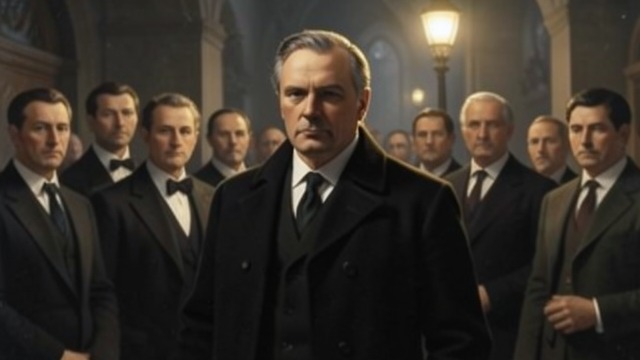
Wilson’s Reform Promise
A language of renewal
Woodrow Wilson speaks against privilege and presents political reform as a route to liberty and achievement.
The limits of rhetoric
The campaign’s coalition includes party professionals and financial interests. The promise attracts reformers without ensuring that they control the resulting government.
The Wartime Reversal
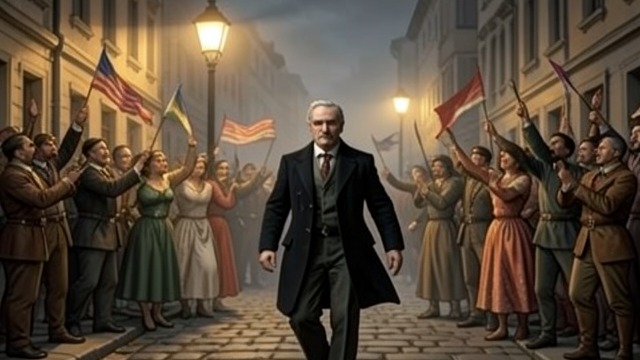
The Wartime Reversal
Reform turns to mobilization
Wilson’s administration demands force and national unity, while peace advocates and dissenters face growing pressure.
Ideals serve authority
The crisis shows how progressive language can be used to justify coercion and corporate cooperation. Earlier hopes do not prevent the reform state from policing its critics.
Postwar Limits
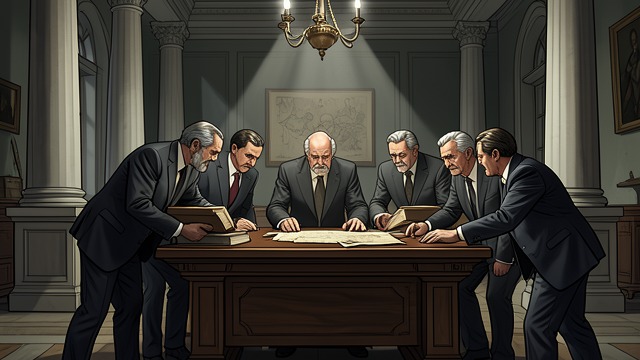
Postwar Limits
The promise contracts
At the peace conference, reformist ideals of self-determination meet strategic bargaining and the control of resources.
Change without transformation
The settlement offers new institutions but preserves many old inequalities. The trajectories of Bourne, Hibben, and Wilson collectively show reform’s difficulty when it lacks independent power.
Before wartime mobilization
Before the 1912 election
During Wilson’s presidential campaigns
After the declaration of war
During the Paris peace settlement
