Fred's house
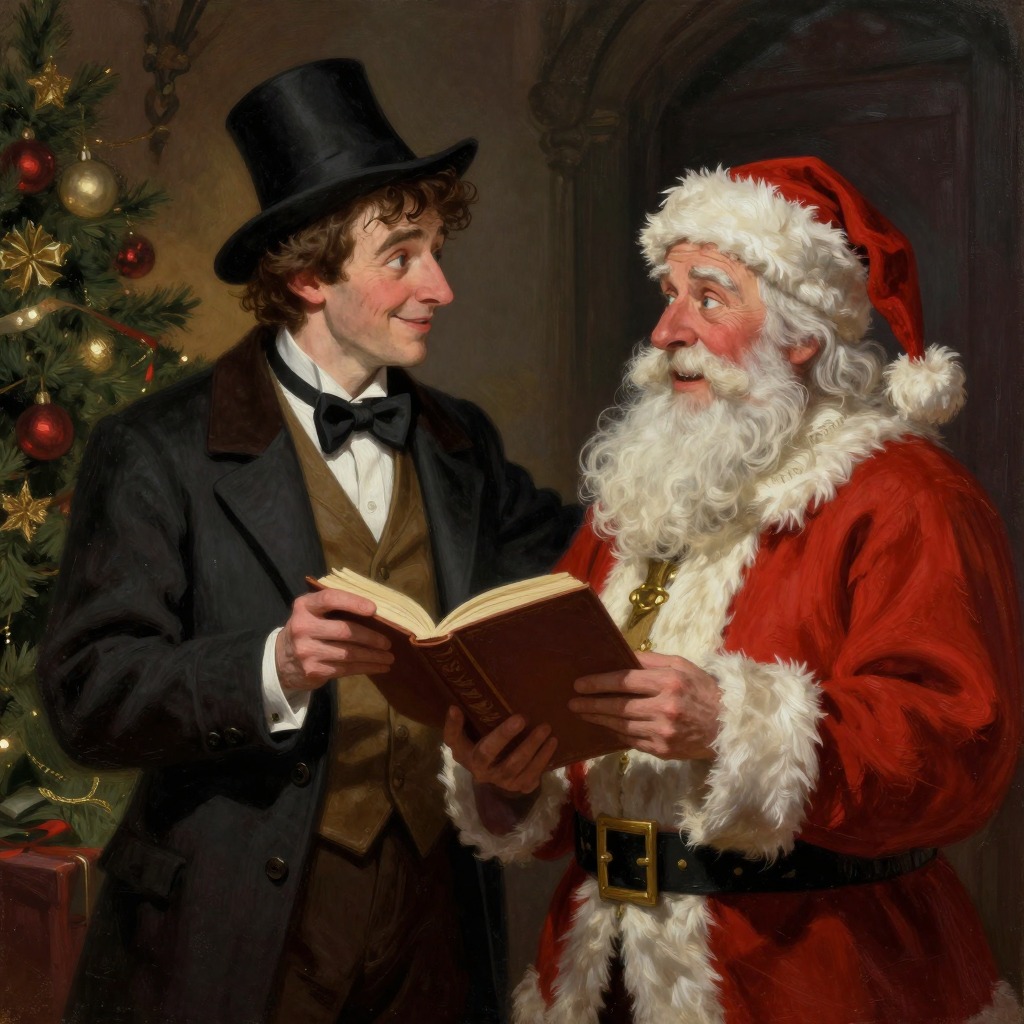
A Christmas CarolFred's house is the warm, welcoming home of Scrooge's nephew and his wife, serving as the story's primary domestic counterpoint to Scrooge's cold, solitary chambers and the site of the nephew's annual Christmas party, where Scrooge's redemption is ultimately completed by his joyful, unannounced arrival.
Location and Atmosphere
Fred's house is a bright, dry, gleaming room where a hearty fire blazes and the table is spread in great array. It is a space of laughter and good-humour, where Scrooge's nephew, Fred, laughs so infectiously that he holds his sides, rolls his head, and twists his face into the most extravagant contortions, and his wife laughs as heartily as he. The house is filled with a musical family who know what they are about when they sing a Glee or Catch, and Fred's wife plays well upon the harp. The atmosphere is one of warmth, generosity, and playful games, including blindman's buff and forfeits, where Topper pursues the plump sister with such determined energy that he knocks down fire-irons, tumbles over chairs, and smothers himself amongst the curtains.
The Christmas Party and Scrooge's Absence
The Ghost of Christmas Present brings Scrooge to Fred's house to witness the party he has refused to attend. There, Fred declares that Christmas is a good time, a kind, forgiving, charitable, pleasant time, and that he pities his uncle, who suffers by his own ill whims. The party plays a game called Yes and No, where Fred thinks of an animal that is rather disagreeable, savage, and lives in London, and the plump sister triumphantly guesses it is "your uncle Scro-o-o-o-oge!" The company then drinks to Uncle Scrooge's health, with Fred saying, "A merry Christmas and a happy New Year to the old man, whatever he is!" Scrooge, watching invisibly, becomes so gay and light of heart that he would have pledged the unconscious company in return if the Ghost had given him time.
Scrooge's Arrival and Redemption
On Christmas morning, after his transformation, Scrooge turns his steps towards his nephew's house. He passes the door a dozen times before he has the courage to go up and knock, but he makes a dash and does it. He enters the dining-room, where Fred and his wife are looking at the table, and announces himself: "Fred! It's I. Your uncle Scrooge. I have come to dinner. Will you let me in, Fred?" Fred lets him in with such enthusiasm that it is a mercy he didn't shake his arm off. Scrooge is at home in five minutes, and nothing could be heartier. His niece looks just the same, as does Topper and the plump sister when they arrive. The party becomes a wonderful party with wonderful games and wonderful unanimity, and won-der-ful happiness.
Narrative Significance
Fred's house functions as the story's ultimate symbol of the inclusive, joyful Christmas spirit that Scrooge initially rejects and finally embraces. It is the space where the nephew's annual invitation—"Come! Dine with us to-morrow"—is finally accepted, and where Scrooge's redemption is publicly and joyfully completed. The house's warmth, music, and laughter stand in direct contrast to Scrooge's gloomy chambers and the counting-house, and its festive gatherings embody the Christmas ideology of family, charity, and social harmony that the story champions.