CJ’s Chronic Kidney Disease and Dependence on Dialysis
A Dog's JourneyCJ’s chronic kidney disease is both a long medical history and a condition that shapes her ideas about responsibility, family, and how life should end. After a suicide attempt damaged her kidneys, she received a kidney from a deceased donor in her thirties. When that transplant later failed through chronic rejection, she returned to dialysis, which sustained her for years but never became a simple or emotionally neutral routine. Eventually, she chose to stop treatment and enter hospice rather than extend a life increasingly defined by illness and pain.
Origins and Medical History
CJ later explains that she destroyed her kidneys in a suicide attempt at twenty-five. She does not present that history as an impersonal medical fact: she connects it to her later belief that she should not receive another scarce donor organ. Her account makes the disease’s origins part of her ethical reasoning about treatment, even though the damage itself continues to have consequences long after the attempt.
In her thirties, CJ received a kidney from a deceased donor. The transplant gave her more than two decades before the organ began to fail. She describes the cause as chronic rejection and says there was nothing that could be done to stop it. She then restarted dialysis seventeen years before her later conversation with Fran. CJ’s statement that she had spent more than twenty-two years on dialysis refers to the cumulative time across periods of treatment, not to one uninterrupted course: the transplant intervened between her original dialysis and its resumption.
Dialysis and Daily Life
When CJ tells Trent that her kidneys are the reason doctors consider having children too dangerous, the illness reaches beyond her own body into the future the couple might have imagined. Trent responds by suggesting adoption, drawing on their experience adopting Max. CJ pushes him away, leaving the conversation’s comfort unsettled: his offer is an attempt to imagine another path to parenthood, while her reaction shows that reassurance cannot simply remove the grief or complexity of what she has learned.
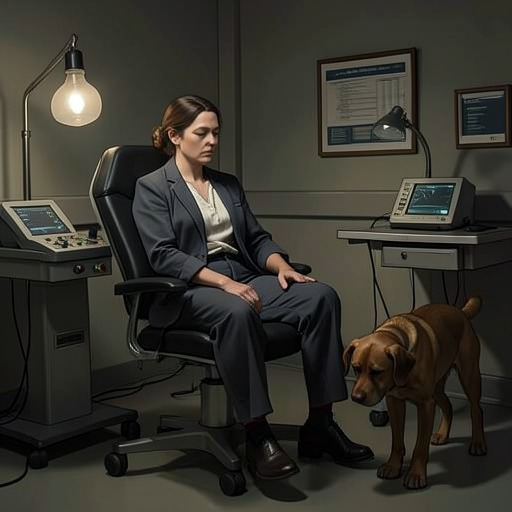
As her condition requires a more permanent treatment plan, Trent urges CJ to see a doctor and begin dialysis. She resists the prospect, but after an intervening hospital stay she comes home exhausted and goes straight to bed. The treatment becomes a recurring feature of their lives: every few days, a car collects CJ and Max outside their building and takes them to a room where staff care for her. At first Trent accompanies them. CJ arrives feeling weak and ill and leaves tired and sad; sometimes treatment hurts her arm. Max recognizes that the people tending to her are not responsible for her discomfort and does not growl at them as he might once have. The day after treatment is usually better, when CJ feels stronger and happier.
The routine is also shadowed by uncertainty about a transplant. CJ tells Trent that it may be years before a kidney becomes available because so few organs can be obtained. Trent jokes that he could give her one, but she refuses his offer and says she will wait for a deceased donor. She insists that she will not take a kidney from him or another living person, and tells him that the damage to her kidneys was her own doing. Even while describing dialysis as difficult, she speaks of waiting as something she can endure: she points to people who have lived on dialysis for twenty years and accepts that a transplant will come when it comes.
Transplant Decisions and Responsibility
CJ’s later account to Fran clarifies the history behind that refusal. Asked why she did not pursue another transplant, she answers that organs are scarce and that other people are more deserving. She specifically thinks of children born with conditions requiring a transplant through no fault of their own, contrasting their circumstances with her own history of suicide-related kidney damage. CJ had already received one donor kidney, she says, and did not intend to use up another.
That reasoning is not presented as a new conclusion prompted by Fran’s question. CJ says she has thought it through, and her light laughter at Fran’s response suggests familiarity with the psychological examination of her choice. The exchange nevertheless exposes a tension within her account: she has received life-extending treatment and accepts dialysis, but she treats another transplant as a moral claim she is not entitled to make. Her judgment about deservingness is her own stated rationale; it does not change the medical fact that chronic rejection caused the first transplant to fail.
Illness, Care, and Family
CJ’s kidney disease places lasting demands on her relationship with Trent. He watches over her health, checks her blood pressure, and urges her to seek medical care when he worries about her. When CJ is away during a hospitalization, he tells Max that she will have to undergo dialysis and that they must be there for her. His words frame treatment as necessary, but the repeated journeys, physical exhaustion, and occasional pain show what that necessity costs in ordinary life.
The illness also shapes the couple’s shared future. The doctors’ warning about the danger of pregnancy brings the possibility of children into a conversation already weighted by fear for CJ’s health. Trent offers adoption as a possibility, but the scene does not resolve what CJ wants or erase her distress. Later, when she refuses his offer of a kidney, her decision again draws a boundary around what she is willing to accept from him, even as he tries to support her.
Stopping Dialysis and Choosing Hospice
Years later, CJ describes the cumulative burden of her health problems: pain, sleeplessness, sickness, and forty pills a day. After Gloria dies, CJ tells Fran that she feels her obligations are over. She says she has already said goodbye to her family at a reunion and put her affairs in order. Her decision to become a hospice guest and stop dialysis is therefore described as deliberate and long considered, rather than as a sudden response to one difficult treatment session.
CJ distinguishes her choice from suicide. She says her doctors agree with her decision and that she fears another stroke could leave her debilitated, a prospect made especially frightening by what she witnessed with Gloria. In her view, stopping dialysis gives her control over the timing and circumstances of dying and prevents treatment from extending life without regard to its quality. Her final rejection of dialysis is the endpoint of a history that began with damaged kidneys, continued through a deceased-donor transplant and years of treatment, and repeatedly required her to decide what care she would accept. The condition is not cured at the end; instead, CJ changes the goal from prolonging life through dialysis to facing its end on terms she considers her own.