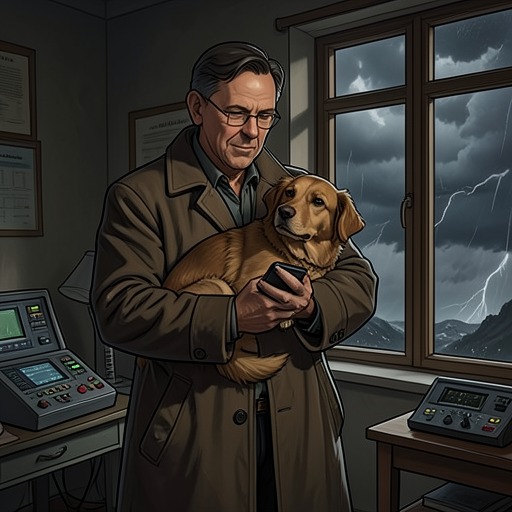
Alone in the world
A Dog's Way HomeAlone in the world names the bond Lucas sees between abandoned animals and his own past. First voiced as he tries to stop the demolition of a cats’ shelter, the phrase turns a practical dispute into a personal commitment: the cats are vulnerable, and he believes they have no one else to defend them.
Meaning and First Use
When a demolition worker points to the posted permit and insists that the work is legal, Lucas answers that the matter is personal to the cats and to him. He describes them as abandoned and “all alone in the world,” adding, “I’m all they’ve got.” The phrase is therefore more than a description of the cats’ circumstances. It explains why Lucas refuses to treat the demolition as merely a permitted job or an impersonal conflict over property.
The urgency of his appeal does not make him indifferent to the colony’s needs. Lucas acknowledges that the cats reproduce rapidly and that kittens may die from hunger or disease if they are not caught and sterilized. He asks the worker to allow time for animal-rescue organizations to handle the situation humanely, explaining that help has been called and is on its way. His insistence on protecting the cats is joined to a specific effort to secure their care.
Lucas’s Personal Connection
Later, when asked why the animals matter so much to him, Lucas again answers that they are alone in the world. His mother, whom he calls Mom, offers a more personal reading: he feels compelled to protect abandoned animals because he once felt abandoned himself and believed he needed protection. The exchange connects his defense of the cats to his own history without making that history a simple explanation for every aspect of his concern.
Lucas initially deflects the interpretation by teasing Mom about her group therapy, but she insists that she is serious. The shift—from his repeated description of the animals to her direct naming of his past—makes the phrase work both as a plea for the cats and as a disclosure about Lucas. It identifies the emotional recognition behind his intervention: he responds to abandonment by trying to ensure that those left without help are not left entirely alone.