Bella’s earliest weeks
Life Beneath the House
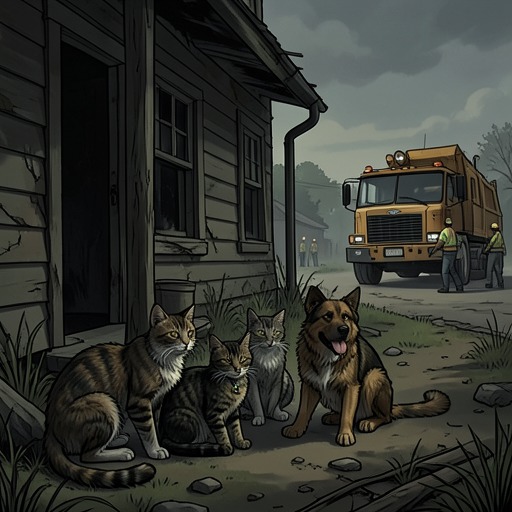
[Bella](entity:character-recall-character-bella-e7bb6f6c0c73) begins life in a dark crawl space beneath an abandoned house, sharing the crowded shelter with her mother, littermates, and a colony of cats. Before she can see clearly, she learns the world through scent and feels at ease among the kittens, especially with [Mother Cat](entity:character-recall-character-mother-cat-9edbb41db7c3) and her young.
When Bella is still very young
The First Threat
Workers investigating the house discover the animals under it and discuss poisoning or exterminating the cats so demolition can proceed. Their lights and voices terrify the colony, though the workers leave without acting that day.
Soon after the workers’ first visit
The Roundup
A rescue team enters the crawl space with bright lights and nets, capturing cats and the puppies they find. [Mother Cat](entity:character-recall-character-mother-cat-9edbb41db7c3) hides [Bella](entity:character-recall-character-bella-e7bb6f6c0c73) and her kittens in a crack in the wall, but Bella’s own mother and siblings disappear with the rescuers.
The morning after the roundup
Mother Cat Nurses Bella
Alone after her family has been taken, [Bella](entity:character-recall-character-bella-e7bb6f6c0c73) returns to [Mother Cat](entity:character-recall-character-mother-cat-9edbb41db7c3) and her kittens, seeking warmth and comfort. Mother Cat lets her nurse, and the orphaned puppy becomes part of the cat family even as she senses she is different from them.
In the days after the roundup
Lucas Feeds the Survivors
[Lucas](entity:character-recall-character-lucas-32d2e2000d96) begins bringing food and water to the remaining cats. [Bella](entity:character-recall-character-bella-e7bb6f6c0c73) is drawn to him from the first, but [Mother Cat](entity:character-recall-character-mother-cat-9edbb41db7c3) warns her away from humans, and Bella learns the colony’s rule that they must hide when people arrive.
Several days later
Rescuers Return
[Audrey](entity:character-recall-character-audrey-2946fc941c82) returns with another rescuer to catch the cats still living beneath the house. [Bella](entity:character-recall-character-bella-e7bb6f6c0c73) rushes eagerly into Audrey’s arms, choosing human contact over the hiding place where [Mother Cat](entity:character-recall-character-mother-cat-9edbb41db7c3) remains concealed.
The day of the second rescue visit
Bella Chooses Lucas
[Lucas](entity:character-recall-character-lucas-32d2e2000d96) takes [Bella](entity:character-recall-character-bella-e7bb6f6c0c73) from [Audrey](entity:character-recall-character-audrey-2946fc941c82) and brings her home, insisting that finding her makes her his dog. Audrey initially resists because her organization has a careful adoption process, but she relents after Lucas promises to take Bella to a veterinarian.
Bella’s first days with Lucas
A New Home
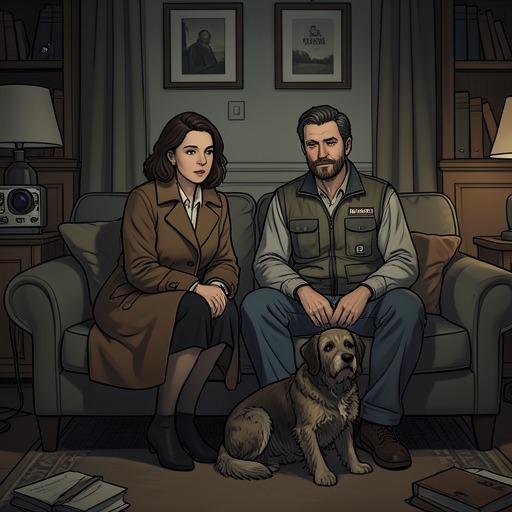
At the apartment, [Bella](entity:character-recall-character-bella-e7bb6f6c0c73) meets [Terri](entity:character-recall-character-terri-5b0af70f9d0b), who worries about money, their lease, and the responsibility of caring for a puppy. [Lucas](entity:character-recall-character-lucas-32d2e2000d96) argues that Bella will help them both; Terri ultimately accepts that she is staying.
Bella’s first weeks at home
Learning Her Name
[Lucas](entity:character-recall-character-lucas-32d2e2000d96) names the puppy [Bella](entity:character-recall-character-bella-e7bb6f6c0c73), and she quickly learns that treats, walks, play, and his attention are the pleasures that organize her days. Her attachment deepens into an all-consuming bond: Lucas is her person, and being a good dog means staying close to him.
During Bella’s puppyhood
Daily Visits to the Cats
[Lucas](entity:character-recall-character-lucas-32d2e2000d96) takes [Bella](entity:character-recall-character-bella-e7bb6f6c0c73) to the abandoned houses to feed the surviving cats, but he keeps her outside the den. Bella can smell [Mother Cat](entity:character-recall-character-mother-cat-9edbb41db7c3) in the shadows and longs to join her, while Lucas continues trying to protect the animals whose shelter is slated for demolition.
A few weeks after Bella’s adoption
The Backhoe Arrives
A backhoe arrives to begin demolishing the abandoned houses. [Lucas](entity:character-recall-character-lucas-32d2e2000d96) realizes cats are still inside and rushes out with [Bella](entity:character-recall-character-bella-e7bb6f6c0c73), determined to stop the work before the animals are killed.
The morning demolition is due to begin
Lucas Confronts the Developer
[Lucas](entity:character-recall-character-lucas-32d2e2000d96) stands in front of the backhoe and argues that the cats remain beneath the house. Gunter says he has a demolition permit and treats the animals as a delay to his project; Lucas refuses to move, even when police warn him he could be arrested.
During the standoff over demolition
Mother Cat Breaks Cover
When Gunter insists there are no cats left, [Mother Cat](entity:character-recall-character-mother-cat-9edbb41db7c3) suddenly bolts from the crawl space and escapes into the bushes. [Audrey](entity:character-recall-character-audrey-2946fc941c82)’s rescue group points out that the sighting invalidates Gunter’s claim, and the demolition is halted while officials review the permit.
After the demolition is stopped
Gunter Offers a Bribe
Gunter visits [Lucas](entity:character-recall-character-lucas-32d2e2000d96) at home and offers money, then a larger payment, in exchange for stopping the rescue effort and letting construction proceed. Lucas refuses, insisting that he will not abandon the cats for profit or allow them to be buried under the house.
During Bella’s early months at home
Learning to Be Alone
When [Lucas](entity:character-recall-character-lucas-32d2e2000d96) and [Terri](entity:character-recall-character-terri-5b0af70f9d0b) leave [Bella](entity:character-recall-character-bella-e7bb6f6c0c73) alone, she panics and chews shoes and household objects. She cannot understand why her people leave, and the crate and the long absences intensify her fear that she has been abandoned again.
As Bella grows through puppyhood
The Slide and the Ball
[Lucas](entity:character-recall-character-lucas-32d2e2000d96) teaches [Bella](entity:character-recall-character-bella-e7bb6f6c0c73) to play fetch at the park, and she discovers that she can race up a playground [Slide](entity:object-recall-object-f088b210efdc) to catch the ball. The game becomes a shared ritual that strengthens her trust in him and gives her a joyful measure of what it means to be a good dog.
During Bella’s first year
Brad Returns
[Brad](entity:character-recall-character-brad-0abd64e0fe0a) arrives at the apartment intoxicated and tries to resume his relationship with [Terri](entity:character-recall-character-terri-5b0af70f9d0b). When he grabs her, Terri fights him off and forces him to leave; [Bella](entity:character-recall-character-bella-e7bb6f6c0c73) stays beside her afterward, sensing her distress and offering comfort.
After Gunter blocks access to the property
Bella Helps Catch the Cats
With the fence reinforced and the cats still at risk, [Lucas](entity:character-recall-character-lucas-32d2e2000d96) uses weighted cat-catching blankets to trap two adult cats. [Bella](entity:character-recall-character-bella-e7bb6f6c0c73) squeezes into the crawl space and briefly touches noses with [Mother Cat](entity:character-recall-character-mother-cat-9edbb41db7c3), then returns to Lucas as he carries the trapped animals away for rescue.
Later in Bella’s first year
Terri’s Seizure
[Terri](entity:character-recall-character-terri-5b0af70f9d0b) suffers a major seizure while home alone with [Bella](entity:character-recall-character-bella-e7bb6f6c0c73). Bella barks until [Lucas](entity:character-recall-character-lucas-32d2e2000d96) returns and calls for help, but the responders take Terri to the hospital and leave Bella locked inside, frightened and unsure whether her family will come back.
After Terri returns from the hospital
The Apartment Eviction Threat
[Lucas](entity:character-recall-character-lucas-32d2e2000d96) and [Terri](entity:character-recall-character-terri-5b0af70f9d0b) learn that keeping [Bella](entity:character-recall-character-bella-e7bb6f6c0c73) violates the apartment’s no-pets clause and that they have only days before eviction proceedings can begin. Unable to afford a move quickly, they try to keep Bella quiet and conceal her presence.
During the days after the eviction notice
No Barks and Go Home
[Lucas](entity:character-recall-character-lucas-32d2e2000d96) and [Terri](entity:character-recall-character-terri-5b0af70f9d0b) repeatedly practice [No Barks](entity:rule-recall-rule-no-barks-e51ee45ea957) so [Bella](entity:character-recall-character-bella-e7bb6f6c0c73) will not alert neighbors to her presence. They also teach her [Go Home](entity:rule-recall-rule-go-home-e25de79337da), a command that sends her to a hidden place by the apartment entrance, hoping the routines will keep her safe.
During Terri’s next medical appointment
Bella Enters the VA Hospital
Unable to leave [Bella](entity:character-recall-character-bella-e7bb6f6c0c73) at home, [Lucas](entity:character-recall-character-lucas-32d2e2000d96) secretly brings her into the [Veterans Affairs hospital](entity:location-recall-location-8694b950686d) and hides her in a maintenance closet. A colleague, [Olivia Phillips](entity:character-recall-character-olivia-phillips-3436e9a0ef58), finds them and initially refuses to babysit, but [Ty](entity:character-recall-character-ty-2a798cdcd1b1) steps in and takes Bella to the veterans’ ward.
Bella’s first day among the veterans
A Ward Full of Friends
[Bella](entity:character-recall-character-bella-e7bb6f6c0c73) brings comfort to the veterans, who share food, affection, and their stories with her. She senses the pain of [Mack](entity:character-recall-character-mack-132f1b9991de) and climbs into his lap, easing his distress; [Ty](entity:character-recall-character-ty-2a798cdcd1b1) recognizes how meaningful her presence is to the patients and to [Terri](entity:character-recall-character-terri-5b0af70f9d0b).
In the days following Bella’s first hospital visit
An Unofficial Therapy Dog
[Ty](entity:character-recall-character-ty-2a798cdcd1b1) and the patients arrange ways to bring [Bella](entity:character-recall-character-bella-e7bb6f6c0c73) into the hospital without Dr. Gann discovering her. She joins meetings and visits, offering companionship to people who feel isolated, while [Lucas](entity:character-recall-character-lucas-32d2e2000d96) and [Terri](entity:character-recall-character-terri-5b0af70f9d0b) know the arrangement could put Lucas’s job at risk.
As winter approaches
The Permit Returns
Gunter obtains a demolition permit again, and [Lucas](entity:character-recall-character-lucas-32d2e2000d96) sees the site notice on the reinforced fence. Unable to reach the cats himself, he puts food beneath the fence and makes one more attempt to get over it, sending [Bella](entity:character-recall-character-bella-e7bb6f6c0c73) to hide at home.
The day Lucas climbs over the fence
Bella Follows Mother Cat
[Mother Cat](entity:character-recall-character-mother-cat-9edbb41db7c3) runs from the property, and [Bella](entity:character-recall-character-bella-e7bb6f6c0c73) breaks from her [Go Home](entity:rule-recall-rule-go-home-e25de79337da) position to follow. She finds Mother Cat’s new hiding place beneath a deck, shares a quiet reunion, and then returns to [Lucas](entity:character-recall-character-lucas-32d2e2000d96), who is angry and frightened that Bella ran off.
During the winter after the cats’ rescue efforts
Lucas and Olivia Grow Closer
[Bella](entity:character-recall-character-bella-e7bb6f6c0c73) continues visiting the veterans with [Lucas](entity:character-recall-character-lucas-32d2e2000d96) and becomes a familiar source of comfort. Lucas and [Olivia](entity:character-recall-character-olivia-b40a5119f315) begin dating, their teasing gradually giving way to affection, while [Terri](entity:character-recall-character-terri-5b0af70f9d0b) encourages Lucas to build a future of his own rather than living only for her needs.
Several months after Bella’s first hospital visit
Terri Has Another Seizure
[Bella](entity:character-recall-character-bella-e7bb6f6c0c73) detects [Terri](entity:character-recall-character-terri-5b0af70f9d0b)’s changing scent and becomes agitated before Terri collapses in another seizure. [Lucas](entity:character-recall-character-lucas-32d2e2000d96) realizes Bella’s barking may be a warning, and the family begins to understand that her response could help them prepare for Terri’s episodes.
Shortly before the eviction deadline
A Doctor’s Letter
[Lucas](entity:character-recall-character-lucas-32d2e2000d96) asks a doctor at the hospital whether [Bella](entity:character-recall-character-bella-e7bb6f6c0c73) can be recognized as a seizure-alert dog. The doctor cannot certify an untrained dog as a working seizure animal, but writes a letter supporting Bella as an emotional support animal for [Terri](entity:character-recall-character-terri-5b0af70f9d0b).
Immediately after the doctor’s consultation
A Legal Accommodation
The doctor explains that the Fair Housing Act may require the apartment to accommodate [Bella](entity:character-recall-character-bella-e7bb6f6c0c73) as an emotional support animal. [Lucas](entity:character-recall-character-lucas-32d2e2000d96) and [Terri](entity:character-recall-character-terri-5b0af70f9d0b) are relieved, though the letter does not grant Bella permission to enter the hospital, where animals remain officially prohibited.
After the family begins openly walking Bella
Animal Control Targets Bella
An animal-control officer identifies [Bella](entity:character-recall-character-bella-e7bb6f6c0c73) as a prohibited pit bull and tests her by throwing down a treat, which she immediately eats. He tells [Lucas](entity:character-recall-character-lucas-32d2e2000d96) that the breed ban can lead to Bella being impounded and eventually destroyed if she is caught again.
Soon after the animal-control warning
Lucas Seeks Legal Advice
[Lucas](entity:character-recall-character-lucas-32d2e2000d96) consults a lawyer with [Olivia](entity:character-recall-character-olivia-b40a5119f315), hoping the doctor’s letter or [Bella](entity:character-recall-character-bella-e7bb6f6c0c73)’s temperament will protect her. He learns that [Denver](entity:location-recall-location-denver-bd410fc030e8)’s breed-specific system gives animal-control officers substantial power to classify dogs, and that challenging a seizure in court would be costly and slow.
A few days after the legal consultation
Bella’s First Impoundment
While [Terri](entity:character-recall-character-terri-5b0af70f9d0b) walks [Bella](entity:character-recall-character-bella-e7bb6f6c0c73), [Chuck](entity:character-recall-character-chuck-90212d702f2a) confronts them and orders Bella seized. Terri sends Bella running home with [Go Home](entity:rule-recall-rule-go-home-e25de79337da), but the officer lures her off the porch with food and captures her before Terri can reach her.
The day Bella is impounded
A Hostile Shelter
At the animal-control shelter, staff muzzle [Bella](entity:character-recall-character-bella-e7bb6f6c0c73) and implant a chip after [Chuck](entity:character-recall-character-chuck-90212d702f2a) and two officers classify her as a pit bull. Bella cannot understand why she has been taken from her family and stops eating, convinced she must have been a very bad dog.
Three days after Bella’s first impoundment
Lucas Gets Bella Released
[Lucas](entity:character-recall-character-lucas-32d2e2000d96) finally reaches [Bella](entity:character-recall-character-bella-e7bb6f6c0c73) at the shelter and embraces her as soon as she is brought into a meeting room. Staff warn that another seizure could mean Bella’s death under the two-strike rule, so Lucas takes her home knowing she cannot safely remain in [Denver](entity:location-recall-location-denver-bd410fc030e8).
After Bella’s release from the shelter
The Cats Are Finally Safe
[Audrey](entity:character-recall-character-audrey-2946fc941c82) tells [Lucas](entity:character-recall-character-lucas-32d2e2000d96) and [Terri](entity:character-recall-character-terri-5b0af70f9d0b) that the rescue group has permission to capture the remaining cats before demolition. The news resolves the danger to [Mother Cat](entity:character-recall-character-mother-cat-9edbb41db7c3)’s colony, but it does nothing to solve the growing threat to [Bella](entity:character-recall-character-bella-e7bb6f6c0c73).
Soon after Bella’s first shelter stay
Lucas Relinquishes Bella
When [Chuck](entity:character-recall-character-chuck-90212d702f2a) confronts [Lucas](entity:character-recall-character-lucas-32d2e2000d96) with police present, Lucas begs for time to move but is told [Bella](entity:character-recall-character-bella-e7bb6f6c0c73) must be surrendered. He places her in the animal-control truck himself, apologizing and insisting that he loves her, while Bella believes he is keeping her safe.
That night
A Desperate Shelter Escape
[Olivia](entity:character-recall-character-olivia-b40a5119f315) and [Lucas](entity:character-recall-character-lucas-32d2e2000d96) enlist Wayne to help [Bella](entity:character-recall-character-bella-e7bb6f6c0c73) escape the shelter before she can be destroyed. Wayne erases the record of her latest intake and lifts her over the fence to Lucas, accepting the risk of punishment for helping them.
Immediately after the shelter escape
Bella Is Sent to Durango
[Audrey](entity:character-recall-character-audrey-2946fc941c82) explains that [Bella](entity:character-recall-character-bella-e7bb6f6c0c73) cannot remain in [Denver](entity:location-recall-location-denver-bd410fc030e8), where [Chuck](entity:character-recall-character-chuck-90212d702f2a) can seize her again, and offers a foster home in [Durango](entity:location-recall-location-37654d52a6dd). [Lucas](entity:character-recall-character-lucas-32d2e2000d96) hopes the placement will only be temporary, but Audrey warns that fostering a condemned dog occupies a place needed by other animals.
The day Bella leaves Denver
Goodbye to Lucas
[Lucas](entity:character-recall-character-lucas-32d2e2000d96), [Terri](entity:character-recall-character-terri-5b0af70f9d0b), and [Olivia](entity:character-recall-character-olivia-b40a5119f315) say goodbye as [Audrey](entity:character-recall-character-audrey-2946fc941c82) prepares to drive [Bella](entity:character-recall-character-bella-e7bb6f6c0c73) away. Lucas gives Bella [Tiny Piece of Cheese](entity:expression-recall-expression-tiny-piece-of-chee-7b11f346cecc) through the crate and tells her she will always be his dog, while she senses his grief without understanding why he is leaving her.
The first weeks in Durango
Loretta’s Foster Home
[Bella](entity:character-recall-character-bella-e7bb6f6c0c73) stays with Loretta and Jose, alongside two smaller dogs, cats, and a bird. She eats and plays enough to get by, but keeps [Lucas’s blanket](entity:object-recall-object-lucas-s-blanket-2867a922f052) close and watches the road for the person she expects to come get her.
After about two weeks in foster care
Bella Escapes the Yard
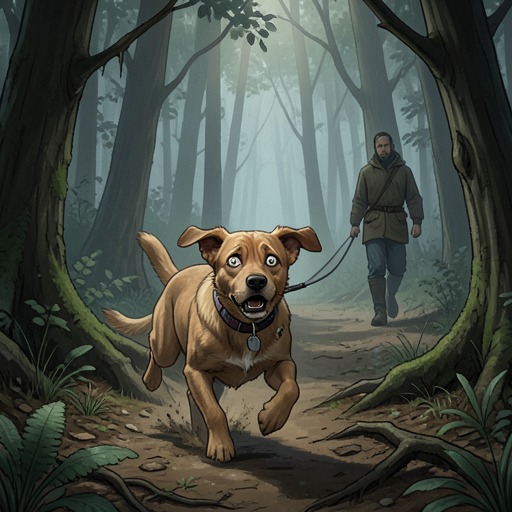
When Jose moves the yard’s playground equipment, [Bella](entity:character-recall-character-bella-e7bb6f6c0c73) recognizes the [Slide](entity:object-recall-object-f088b210efdc) as a possible way over the fence. She runs up it and vaults into the forest, deciding that waiting for [Lucas](entity:character-recall-character-lucas-32d2e2000d96) is no longer enough and that she must find her way home herself.
Early in Bella’s journey through the mountains
The Orphaned Cougar Cub
Alone on the [Colorado Trail](entity:location-recall-location-colorado-trail-425a2b291cc4), [Bella](entity:character-recall-character-bella-e7bb6f6c0c73) hears the cries of a fox and then encounters two boys shooting bottles in the forest. After they take her toward [Silverton](entity:location-recall-location-silverton-e212c5cb27c2) to seek help, she slips out of their car and resumes her journey rather than risk being taken somewhere else.
After Bella escapes Warren and Dude’s car
The Town Dog Pack
Hungry in town, [Bella](entity:character-recall-character-bella-e7bb6f6c0c73) joins a small group of stray dogs that know where people leave scraps and handouts. When the dogs return to their separate homes, she refuses to follow them, choosing the dangerous mountains over a safe place that is not her home.
Several days into Bella’s wilderness journey
Poachers and a Dead Cougar
Following the sound of gunfire, [Bella](entity:character-recall-character-bella-e7bb6f6c0c73) finds a dead female cougar and realizes that two men have killed her. A frightened young cub watches from nearby, and Bella leaves the poachers’ path with the orphaned animal following her.
Immediately after the poachers’ encounter
Bella Takes in Big Kitten
[Bella](entity:character-recall-character-bella-e7bb6f6c0c73) follows the cub to a hidden deer carcass, and the two animals share the food. The cub gradually trusts Bella, sleeps beside her, and becomes her companion; Bella treats her as a vulnerable member of their pack, much as [Lucas](entity:character-recall-character-lucas-32d2e2000d96) cared for the cats.
During the summer and autumn journey
A Makeshift Hunting Partnership
[Bella](entity:character-recall-character-bella-e7bb6f6c0c73) and [Big Kitten](entity:character-recall-character-big-kitten-397b8af607e6) travel together, sharing scavenged food and occasional kills. Bella finds meals near campsites and in rubbish bins, while the growing cougar becomes more capable of hunting; neither can yet fully satisfy their hunger or make steady progress toward [Lucas](entity:character-recall-character-lucas-32d2e2000d96).
Later in the wilderness journey
Coyotes Corner the Pair
A pack of four coyotes corners [Bella](entity:character-recall-character-bella-e7bb6f6c0c73) and [Big Kitten](entity:character-recall-character-big-kitten-397b8af607e6) against a rock wall. Big Kitten climbs a tree while Bella stands between her and the predators, fighting off the coyotes until approaching hikers drive them away.
After months together
Big Kitten Protects Bella
[Bella](entity:character-recall-character-bella-e7bb6f6c0c73) is exhausted and weak when three coyotes pursue her across open ground. [Big Kitten](entity:character-recall-character-big-kitten-397b8af607e6) suddenly attacks, scattering the predators and saving Bella, then leads her to food so she can recover.
At the start of winter
Snow Changes Their Journey
A heavy snowfall buries the familiar scents and makes [Bella](entity:character-recall-character-bella-e7bb6f6c0c73)’s progress toward home slow and punishing. [Big Kitten](entity:character-recall-character-big-kitten-397b8af607e6) moves easily through the snow and takes the lead in finding prey, so the pair’s journey increasingly follows the cougar’s hunting needs rather than Bella’s route home.
During the winter in the mountains
The Avalanche
[Bella](entity:character-recall-character-bella-e7bb6f6c0c73) sees a man and his dog, [Dutch](entity:character-recall-character-dutch-59ad84b2fcc0), crossing an avalanche slope despite warnings from other hikers. The snow breaks loose and sweeps them downhill, leaving the man buried and Dutch frantically digging in the debris.
Immediately after the avalanche
Bella and Dutch Save Kurch
[Bella](entity:character-recall-character-bella-e7bb6f6c0c73) joins [Dutch](entity:character-recall-character-dutch-59ad84b2fcc0) in digging through the snow until they uncover [Kurch](entity:character-recall-character-kurch-17917905c06b). Two hikers help free him and perform lifesaving resuscitation while Bella stays beside Dutch and the injured man.
The hours after Kurch is rescued
Gavin Takes the Dogs In
Mountain rescuers take [Kurch](entity:character-recall-character-kurch-17917905c06b) away but cannot care for his dogs, so Gavin and [Taylor](entity:character-recall-character-taylor-fff785c2825e) agree to bring [Bella](entity:character-recall-character-bella-e7bb6f6c0c73) and [Dutch](entity:character-recall-character-dutch-59ad84b2fcc0) to their cabin. Bella is grateful for food and shelter, yet she remains focused on reaching [Lucas](entity:character-recall-character-lucas-32d2e2000d96) and worries about leaving [Big Kitten](entity:character-recall-character-big-kitten-397b8af607e6) behind.
After Kurch’s recovery begins
The Dogs’ Owner Is Found
Gavin and [Taylor](entity:character-recall-character-taylor-fff785c2825e) learn [Kurch](entity:character-recall-character-kurch-17917905c06b)’s identity and drive the dogs to his home, expecting to return them to their owner. [Bella](entity:character-recall-character-bella-e7bb6f6c0c73) recognizes the injured man as [Dutch](entity:character-recall-character-dutch-59ad84b2fcc0)’s person, but Kurch says Bella is a stranger and makes clear he cannot care for Dutch.
During the visit to Kurch’s home
Kurch Rejects Dutch
[Kurch refuses to take Dutch back](entity:action-recall-action-kurch-refuses-to-take-078497d06c4b), and Gavin condemns him for abandoning his responsibility. [Dutch](entity:character-recall-character-dutch-59ad84b2fcc0) hesitates between the man he once loved and the people who now care for him, but leaves with Gavin, who promises that he and [Taylor](entity:character-recall-character-taylor-fff785c2825e) will be his family.
Soon after the failed reunion with Kurch
Dutch Returns to Gavin
During a walk, [Dutch](entity:character-recall-character-dutch-59ad84b2fcc0) fixates on a cat and breaks away from Gavin, then heads toward [Kurch](entity:character-recall-character-kurch-17917905c06b)’s house. Gavin finds him and gently explains that his home is now with Gavin and [Taylor](entity:character-recall-character-taylor-fff785c2825e); Dutch accepts comfort, beginning to choose his new family.
Before Gavin and Taylor leave for China
The Journey to Sylvia’s
Gavin and [Taylor](entity:character-recall-character-taylor-fff785c2825e) decide to leave the dogs with Gavin’s mother, [Sylvia](entity:character-recall-character-sylvia-94701769f64e), while they spend six months in [China](entity:location-recall-location-134e6ca3a450). [Bella](entity:character-recall-character-bella-e7bb6f6c0c73) and [Dutch](entity:character-recall-character-dutch-59ad84b2fcc0) arrive at Sylvia’s home, where they meet her cat, [Chloe](entity:character-recall-character-chloe-d2b048afd91a), and discover a tense household shaped by Sylvia’s complicated relationships.
During Gavin and Taylor’s absence
Bella and Dutch Defend Sylvia
[Sylvia](entity:character-recall-character-sylvia-94701769f64e)’s boyfriend [Mike](entity:character-recall-character-mike-cb6fa8ab1468) becomes violent and grabs her during an argument. [Bella](entity:character-recall-character-bella-e7bb6f6c0c73) and [Dutch](entity:character-recall-character-dutch-59ad84b2fcc0) bark and lunge at him until he releases Sylvia and leaves; Sylvia praises the dogs and Bella stays close to comfort her afterward.
Later during the dogs’ stay with Sylvia
Chloe’s Kittens
[Chloe](entity:character-recall-character-chloe-d2b048afd91a) gives birth to a litter of kittens, reviving [Bella](entity:character-recall-character-bella-e7bb6f6c0c73)’s memories of her own kittenhood and [Mother Cat](entity:character-recall-character-mother-cat-9edbb41db7c3). Bella plays carefully with the young cats, while [Dutch](entity:character-recall-character-dutch-59ad84b2fcc0) remains restrained because [Sylvia](entity:character-recall-character-sylvia-94701769f64e) does not trust him around them.
During the kittens’ early weeks
The Pool Rescue
[Dutch](entity:character-recall-character-dutch-59ad84b2fcc0)’s dragging leash knocks a box of kittens into [Sylvia](entity:character-recall-character-sylvia-94701769f64e)’s swimming pool. [Bella](entity:character-recall-character-bella-e7bb6f6c0c73) dives in and carries each kitten to safety, but she cannot climb out herself until Sylvia directs her to the pool steps.
After six months in China
Gavin Returns
Gavin returns to [Sylvia](entity:character-recall-character-sylvia-94701769f64e)’s home and is greeted by [Dutch](entity:character-recall-character-dutch-59ad84b2fcc0) and [Bella](entity:character-recall-character-bella-e7bb6f6c0c73). He and [Taylor](entity:character-recall-character-taylor-fff785c2825e) had expected to take both dogs back, but Sylvia says she would prefer to keep Bella, prompting Gavin to reconsider what home would mean for her.
After Gavin and Taylor return from China
Bella Leaves Gavin and Taylor
Gavin and [Taylor](entity:character-recall-character-taylor-fff785c2825e) bring [Bella](entity:character-recall-character-bella-e7bb6f6c0c73) and [Dutch](entity:character-recall-character-dutch-59ad84b2fcc0) back to their home and later take them hiking. When the dogs run ahead, Bella understands that Dutch belongs with them and chooses to continue toward [Lucas](entity:character-recall-character-lucas-32d2e2000d96) alone; Dutch returns to his people after a final pause.
During Bella’s continued journey home
The Stolen Roast Chicken
Hungry in a town, [Bella](entity:character-recall-character-bella-e7bb6f6c0c73) slips through the automatic doors of a store and steals a roast chicken. When employees chase her through the aisles, she escapes into the night, frightened by the anger she associates with people who separate her from [Lucas](entity:character-recall-character-lucas-32d2e2000d96).
After the store escape
Bella Finds Axel
A homeless veteran named [Axel](entity:character-recall-character-axel-e9f7c8d6b5e7) offers [Bella](entity:character-recall-character-bella-e7bb6f6c0c73) food and recognizes her collar’s name. He ties her to his belongings, and although she initially wants to escape, she learns that he is lonely and frightened and begins to comfort him through his troubled nights.
As winter approaches in Gunnison
Axel Rejects Help
[Axel](entity:character-recall-character-axel-e9f7c8d6b5e7) refuses offers to return to [Denver](entity:location-recall-location-denver-bd410fc030e8) or accept conventional services, expressing paranoid beliefs that hospitals and technology are part of a surveillance system. [Tom](entity:character-recall-character-tom-268ddde4835d) and others try to persuade him that the winter will be dangerous, but Axel insists that he is safer living outside.
Early in the winter
A Winter Shelter
[Tom](entity:character-recall-character-tom-268ddde4835d) and members of [Axel](entity:character-recall-character-axel-e9f7c8d6b5e7)’s community provide a winter tent, a heater, food, and warm bedding. Axel accepts the shelter despite his suspicion of people, and [Bella](entity:character-recall-character-bella-e7bb6f6c0c73) sleeps close to him, helping ease the nightmares and cold that haunt him.
Later that winter
Bella and Axel Face the Vandals
Three young men destroy [Axel](entity:character-recall-character-axel-e9f7c8d6b5e7)’s tent and belongings while he watches, fearful and frozen. [Bella](entity:character-recall-character-bella-e7bb6f6c0c73) growls, and her courage helps Axel overcome his fear; together they confront the vandals and drive them away without serious injury.
The day after the attack
The Vandals Make Amends
[Tom](entity:character-recall-character-tom-268ddde4835d) returns with the young men and their fathers, who apologize and arrange for the vandals to replace [Axel](entity:character-recall-character-axel-e9f7c8d6b5e7)’s ruined equipment and clean up the site. Axel insists on hearing the young men apologize directly, a moment that reveals a strength and authority others had underestimated.
As winter gives way to spring
Axel’s Decline
[Axel](entity:character-recall-character-axel-e9f7c8d6b5e7)’s trauma and substance dependence worsen, and he increasingly disappears, returns intoxicated, or collapses for long periods. [Bella](entity:character-recall-character-bella-e7bb6f6c0c73) stays beside him, sharing what little food is available and trying to comfort him, even as his health and judgment deteriorate.
After a long period of worsening illness
Axel Dies
One night [Axel](entity:character-recall-character-axel-e9f7c8d6b5e7) uses drugs and then lies down beside the river. [Bella](entity:character-recall-character-bella-e7bb6f6c0c73) curls against him, but his breathing stops; she remains with his body through the night, grieving the man who had depended on her companionship.
The following day
Axel’s Memorial
Boys discover [Axel](entity:character-recall-character-axel-e9f7c8d6b5e7)’s body and summon help, and [Tom](entity:character-recall-character-tom-268ddde4835d) arrives with people who had known him. The gathered community sings the Marines’ Hymn as Axel’s body is taken away; [Bella](entity:character-recall-character-bella-e7bb6f6c0c73) slips from the gathering, leaving behind the blankets that held his scent.
Immediately after Axel’s memorial
Bella Sets Out Again
With [Axel](entity:character-recall-character-axel-e9f7c8d6b5e7) gone, [Bella](entity:character-recall-character-bella-e7bb6f6c0c73) follows her sense of home and begins walking toward [Lucas](entity:character-recall-character-lucas-32d2e2000d96). Her leash catches on a fallen tree, but she finally slips out of her collar and continues into the wilderness, now alone and without the familiar sign that she belongs to someone.
During Bella’s second wilderness trek
Big Kitten Returns
Three hungry coyotes pursue [Bella](entity:character-recall-character-bella-e7bb6f6c0c73) toward a rocky outcrop. [Big Kitten](entity:character-recall-character-big-kitten-397b8af607e6), now a full-grown cougar, attacks the predators and saves her; the two reunite and share food, restoring the companionship that had sustained Bella earlier in her journey.
After their reunion
Bella and Big Kitten Part
[Big Kitten](entity:character-recall-character-big-kitten-397b8af607e6) accompanies [Bella](entity:character-recall-character-bella-e7bb6f6c0c73) for a time but eventually refuses to go farther. Bella recognizes that the cougar has a different home and direction, and leaves her behind, carrying the memory of their mutual care into the next stage of her journey.
Later in Bella’s return journey
An Accidental Truck Ride
Searching for food, [Bella](entity:character-recall-character-bella-e7bb6f6c0c73) climbs into an open delivery truck and finds bags of dog food. The truck closes and drives off with her inside; when it stops in another town, she jumps out and discovers that she has been carried much closer to home.
After the truck ride
Home Without Lucas
[Bella](entity:character-recall-character-bella-e7bb6f6c0c73) recognizes the scent of her old neighborhood and reaches the apartment where she once lived with [Lucas](entity:character-recall-character-lucas-32d2e2000d96) and [Terri](entity:character-recall-character-terri-5b0af70f9d0b). A new woman lives there, and the changed rooms and unfamiliar smells tell Bella that Lucas is gone.
Soon after Bella reaches her old neighborhood
Mother Cat’s Last Goodbye
[Bella](entity:character-recall-character-bella-e7bb6f6c0c73) visits [Mother Cat](entity:character-recall-character-mother-cat-9edbb41db7c3), now living beneath a deck and cared for by another woman. Mother Cat accepts Bella’s greeting but cannot lead her to [Lucas](entity:character-recall-character-lucas-32d2e2000d96); Bella leaves her behind as she once left [Big Kitten](entity:character-recall-character-big-kitten-397b8af607e6), understanding that this is how cats say goodbye.
After Bella leaves Mother Cat
Chuck Gives Chase
[Chuck](entity:character-recall-character-chuck-90212d702f2a) spots [Bella](entity:character-recall-character-bella-e7bb6f6c0c73) and tries to lure her into his animal-control truck. Bella recognizes the danger and runs through traffic and across the neighborhood, escaping the officer long enough to reach the hospital where she once visited the veterans.
More than two years after Bella was sent away
Bella Finds Olivia
[Bella](entity:character-recall-character-bella-e7bb6f6c0c73) enters the hospital and follows familiar scents until she finds [Olivia](entity:character-recall-character-olivia-b40a5119f315). Olivia recognizes her and realizes that the dog she thought lost has returned, but learns that [Chuck](entity:character-recall-character-chuck-90212d702f2a) is waiting outside to seize Bella again.
Minutes after Bella reaches Olivia
The Veterans Rally Around Bella
[Olivia](entity:character-recall-character-olivia-b40a5119f315) brings [Bella](entity:character-recall-character-bella-e7bb6f6c0c73) to [Ty](entity:character-recall-character-ty-2a798cdcd1b1) and the veterans, where Bella is reunited with [Terri](entity:character-recall-character-terri-5b0af70f9d0b), [Mack](entity:character-recall-character-mack-132f1b9991de), and the people she once comforted. When they learn that [Chuck](entity:character-recall-character-chuck-90212d702f2a) is outside, Ty and the veterans gather around Bella, determined not to let her be taken.
That night at the hospital
The Hospital Standoff
[Chuck](entity:character-recall-character-chuck-90212d702f2a) arrives with police and demands that [Bella](entity:character-recall-character-bella-e7bb6f6c0c73) be surrendered under [Denver](entity:location-recall-location-denver-bd410fc030e8)’s ordinance. [Terri](entity:character-recall-character-terri-5b0af70f9d0b), [Ty](entity:character-recall-character-ty-2a798cdcd1b1), and the veterans stand together, identifying their military service and refusing to let the animal-control officer take her from them.
At the height of the standoff
Federal Jurisdiction Prevails
The sheriff and Dr. Gann recognize that the hospital stands on federal property, outside [Denver Animal Control](entity:organization-recall-organization-1a24b36bc82b)’s jurisdiction. The sheriff orders [Chuck](entity:character-recall-character-chuck-90212d702f2a) to stand down and removes him from field duty, ending the immediate threat to [Bella](entity:character-recall-character-bella-e7bb6f6c0c73).
Immediately after Chuck is turned away
Bella Reunites with Lucas
[Lucas](entity:character-recall-character-lucas-32d2e2000d96) arrives at the hospital and [Bella](entity:character-recall-character-bella-e7bb6f6c0c73) runs to him, overwhelmed by the return of her person. He and [Olivia](entity:character-recall-character-olivia-b40a5119f315) welcome her home, and Lucas admits that he had feared Bella died without understanding why he could not come for her.
Later that night
Bella Comforts Mack Again
[Ty](entity:character-recall-character-ty-2a798cdcd1b1) asks [Lucas](entity:character-recall-character-lucas-32d2e2000d96) to bring [Bella](entity:character-recall-character-bella-e7bb6f6c0c73) to [Mack](entity:character-recall-character-mack-132f1b9991de), who is under observation after a difficult year. Bella climbs into Mack’s lap and stays beside him until his fear and sadness ease, returning to the work of comfort that has defined her life with people.
That evening, after Bella’s return
Tiny Piece of Cheese
[Lucas](entity:character-recall-character-lucas-32d2e2000d96) and [Olivia](entity:character-recall-character-olivia-b40a5119f315) take [Bella](entity:character-recall-character-bella-e7bb6f6c0c73) to their new dog-friendly home in [Golden, Colorado](entity:location-recall-location-golden-colorado-15a50ba3d12c), where Lucas finds her old blanket. He performs the familiar [Tiny Piece of Cheese](entity:expression-recall-expression-tiny-piece-of-chee-7b11f346cecc) ritual, and Bella’s journey finally resolves in the simple intimacy she had longed for throughout her separation.
The end of the novel
Finally Home
In bed between [Lucas](entity:character-recall-character-lucas-32d2e2000d96) and [Olivia](entity:character-recall-character-olivia-b40a5119f315), [Bella](entity:character-recall-character-bella-e7bb6f6c0c73) reflects on the people and animals she has cared for: [Mother Cat](entity:character-recall-character-mother-cat-9edbb41db7c3), [Big Kitten](entity:character-recall-character-big-kitten-397b8af607e6), [Dutch](entity:character-recall-character-dutch-59ad84b2fcc0), [Axel](entity:character-recall-character-axel-e9f7c8d6b5e7), and the veterans. Their love helped sustain her through hunger, danger, and loss, but her purpose has led her back to Lucas at last.