
The Bar and the Foreign Correspondents
A Gentleman in MoscowThis thread traces the Shalyapin’s evolution into a meeting place for foreign journalists, Soviet officials, music, and playful resistance.
increasing Bearing strength in each event
 decreasing
Bearing strength in each eventdecreasingA Quiet Chapel
The Bar After Revolution
A Changed Room
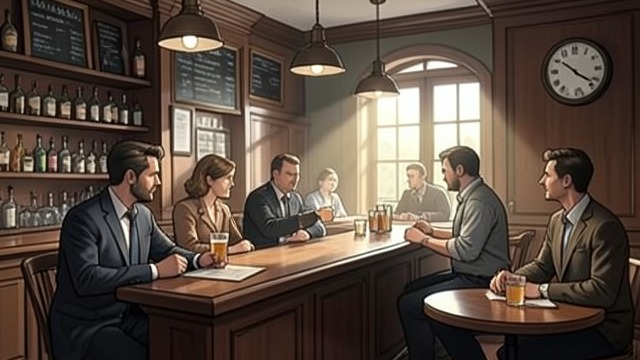
The Shalyapin Bar, once lively, becomes a quieter place for reflection as Moscow’s social world contracts. Count Alexander Ilyich Rostov uses it for an evening drink and private thought.
A Memory of Culture
The bar’s name recalls an earlier artistic life. Even in silence, its bottles and banquettes preserve traces of a more cosmopolitan hotel.
Jazz Returns
A New Sound
Permission Reversed
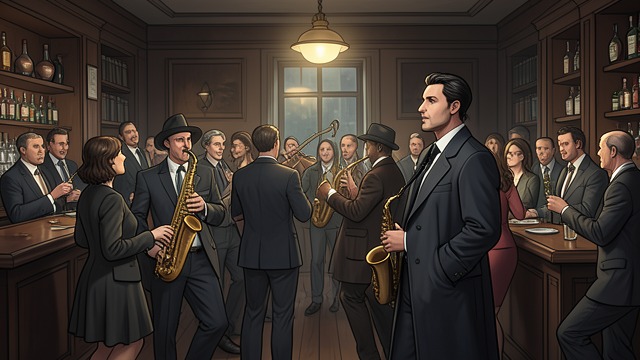
The Bolsheviks first suppress jazz as decadent, then allow it back. The music fills the bar with an unruly energy Count Alexander Ilyich Rostov gradually comes to appreciate.
A Different Art Form
Jazz’s spontaneity contrasts with the Count’s preference for classical structure. Its return suggests that cultural currents can exceed official control.
Journalists and Hostesses
Talk Under Observation
Foreign Press Returns
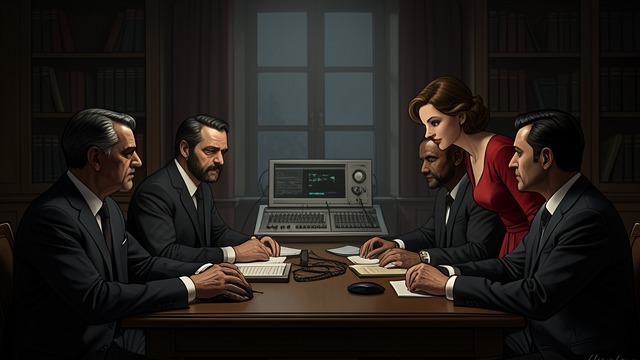
Correspondents return to Moscow and gather at the Shalyapin. Hostesses listen to their conversations and report them to the secret police.
A Game of Provocation
Journalists deliberately invent absurd stories to see whether they will be repeated to officials. The bar becomes a space where surveillance and satire interact.
A Journalist Wins His Wager
War and Peace as a Defense
A Summons
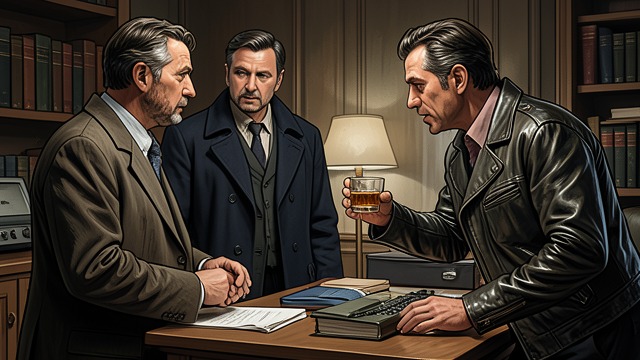
An American correspondent is questioned after a passage from War and Peace is mistaken for military intelligence. He explains that he was transcribing the novel’s battle scene.
A Round of Drinks
The journalist treats his summons as a victory in the press corps’ wager and buys drinks. The incident captures the bar’s mix of danger and irreverence.
Pudgy Webster’s Sales Campaign
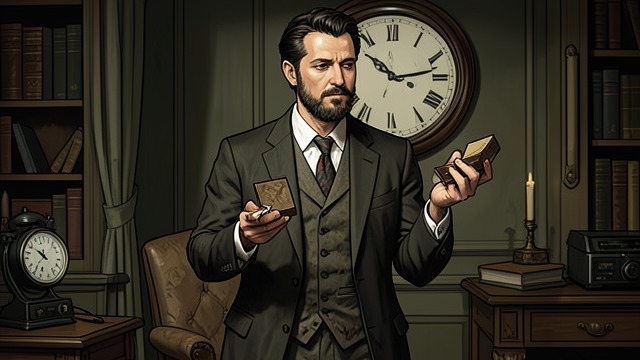
A Comic Visitor
Machines Without Buyers
Pudgy Webster tries to sell American vending machines to Soviet officials, with little success. He uses cigarettes and chocolate to secure meetings but leaves without orders.
A Social Opening
His failures amuse the journalists and give Count Alexander Ilyich Rostov an unexpected contact. The bar’s humor creates a channel for the Count’s final communication abroad.
Early 1920s
Mid-1920s
1928–1929
1930s
1954
