
The Evolution of the Count’s View of Russia
A Gentleman in MoscowThis thread traces the Count’s changing relationship to Russia, from aristocratic detachment through confinement to a chosen and imperfect belonging.
increasing Bearing strength in each event
 decreasing
Bearing strength in each eventdecreasingA Cosmopolitan Youth
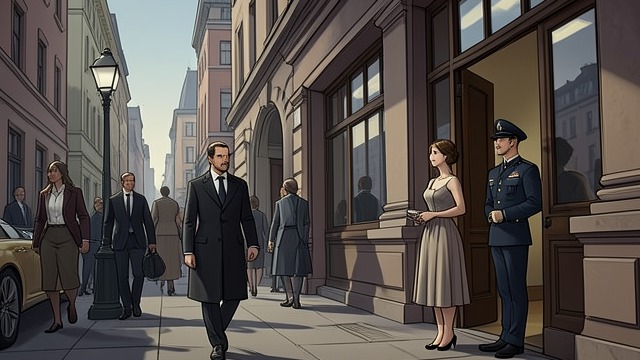
Privilege and Distance
A Life Abroad
Count Alexander Ilyich Rostov travels among European cities and treats his life as a succession of pleasures and conversations. He is attached to Russia but does not yet understand the cost of belonging to it.
A Familiar Country
His memories of St. Petersburg and Idlehour are shaped by family, landscape, and privilege. Russia is both home and an inherited social world.
The Return from Paris
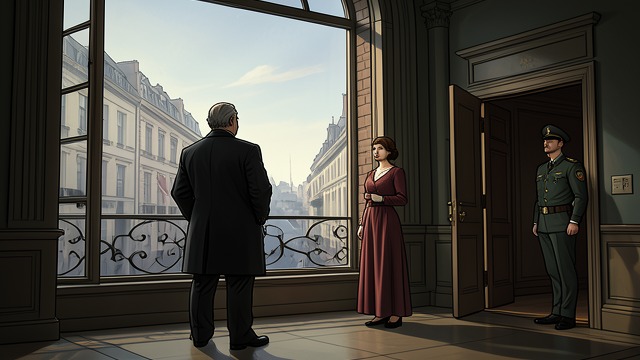
Coming Back to a Revolution
A Deliberate Return
After hearing of the Tsar’s execution, Count Alexander Ilyich Rostov returns to Russia. He arranges for Countess Rostov to leave but chooses to remain.
A Changed Country
He finds upheaval, danger, and a countryside near collapse. His return is not a restoration of the old order but a commitment to stay among his countrymen.
Refusing Civil War
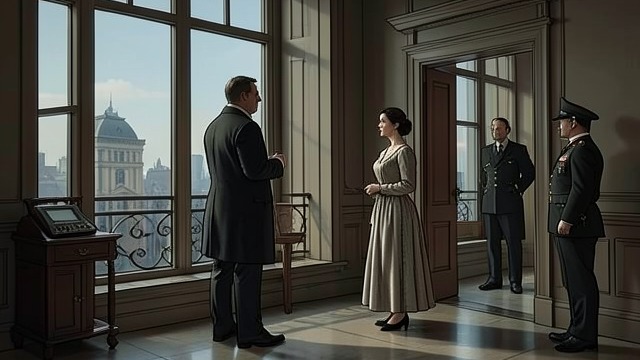
Countrymen on Both Sides
A Moral Boundary
The Count does not join the Whites because he has sworn not to shoot another Russian. He considers Bolsheviks his countrymen even when he does not consider them gentlemen.
Confinement Accepted
His loyalty to the country survives political defeat and personal restriction. He chooses to live inside the nation rather than seek a new life abroad.
The Former and the Latter
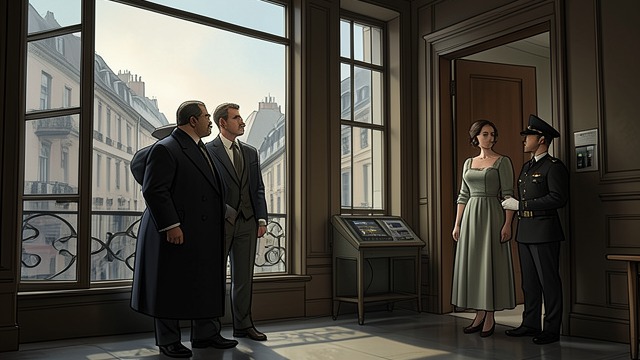
An Argument About Openness
Hope for Exchange
Count Alexander Ilyich Rostov believes Russian culture will continue to meet the world through food, music, and travel. He sees people as capable of reaching across political borders.
Anna’s Warning
Anna Urbanova reminds him that Moscow remains shaped by the Kremlin and an inward-looking history. Their discussion forces the Count to face the limits of his optimism.
A Country Still Loved
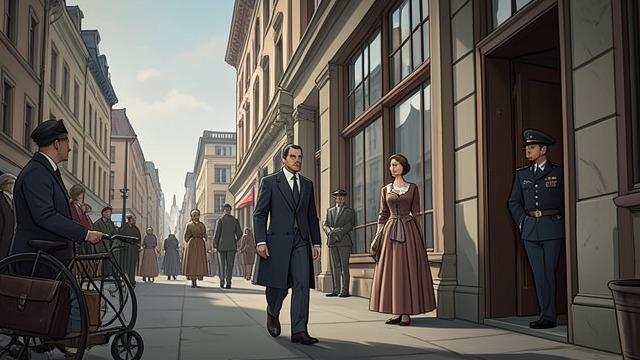
Leaving Without Renouncing
The Escape
Count Alexander Ilyich Rostov leaves Moscow to help Sofia and seek freedom. His departure is practical, but it is not a rejection of the country that formed him.
Home in Memory
The Count carries Russia’s landscapes, language, food, and friendships with him. His loyalty becomes personal rather than political, rooted in people and places rather than government.
Before 1914
1918
1918–1922
1953
June 1954
