
The City’s Changing Names and Faces
A Gentleman in MoscowThis thread traces the visible remaking of Moscow and the persistence of memory beneath new names, statues, and streets.
increasing Bearing strength in each event
 decreasing
Bearing strength in each eventdecreasingOld Moscow Remembered
A Familiar City
The Count’s Routes
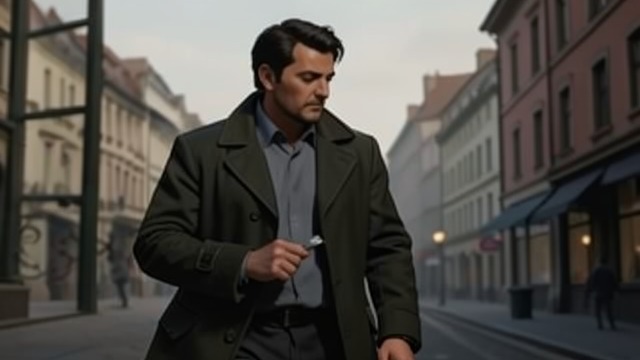
Count Alexander Ilyich Rostov remembers Theatre Square, Tverskaya, the Alexander Gardens, and the city’s theaters as parts of an intimate daily landscape. His knowledge comes from walking and observing.
A City at Risk
Political upheaval makes the familiar streets vulnerable to renaming and reconstruction. The Count’s attachment is personal, grounded in repeated encounters rather than maps alone.
Street Names Replaced
A New Map
Official Renaming
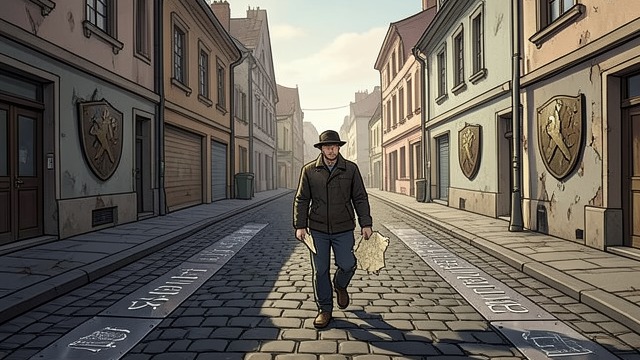
Nevsky Prospekt becomes October 25th Prospekt, while Moscow’s streets and public monuments receive new names and meanings. The changes make political history visible in everyday directions.
Memory Continues
Mikhail Fyodorovich Mindich walks the renamed avenue and remembers its literary geography. A name can be altered without erasing the stories attached to a place.
Buildings Pulled Aside
Tverskaya Widened
Construction for Power
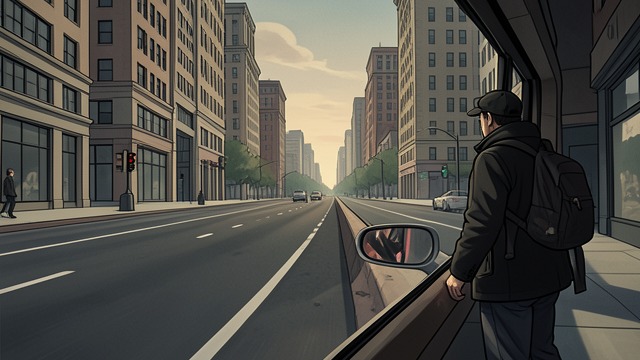
Moscow widens Tverskaya to accommodate official parades and replaces or moves many older buildings. Towers and broad roads reshape the city for a new public image.
Disorientation
Count Alexander Ilyich Rostov later watches familiar landmarks recede from a vehicle window. Modernization creates new routes while making the old city difficult to recognize.
Statues Change Places
Public Memory Remade
One Figure Replaces Another
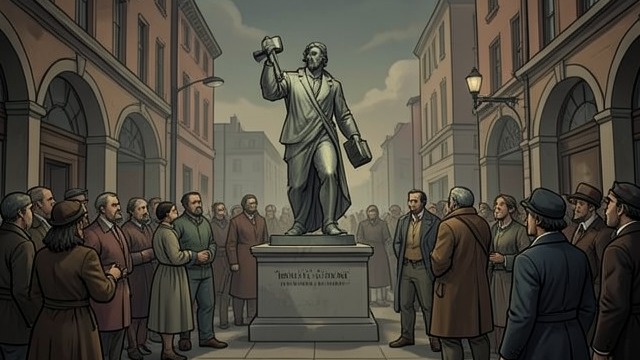
The statue of Gogol is removed and a statue of Gorky takes its place. Public art becomes a means of deciding which writers and values may be honored.
Private Memory Persists
Mikhail Fyodorovich Mindich remembers the writers whose work once shaped his life. The state can move a statue faster than it can erase a reader’s attachments.
The Old Facades Survive
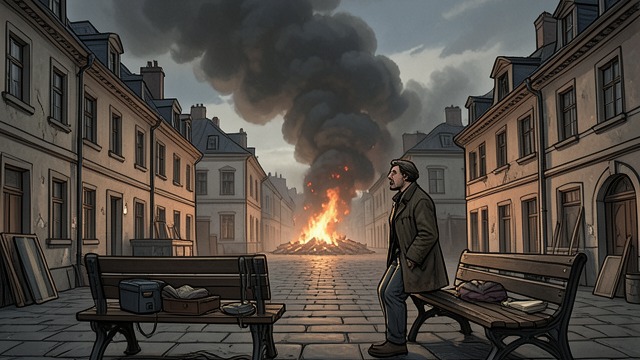
Recognition in the Square
A Return to Theatre Square
A traveler in a ragged coat looks across Theatre Square and is surprised to find many old facades still standing. War has damaged the city, but some of its visual history remains.
Memory and Change Together
The city is neither wholly preserved nor wholly erased. Its survival offers continuity without promising a return to the past as it was.
1922
1930s
Late 1930s
1930s–1940s
1946
