
The Count’s Choice to Stay Russian
A Gentleman in MoscowThis thread traces how Count Alexander Ilyich Rostov’s decision to remain in Russia develops from an early preference into a lifelong attachment.
increasing Bearing strength in each event
 decreasing
Bearing strength in each eventdecreasingParis Before the Return
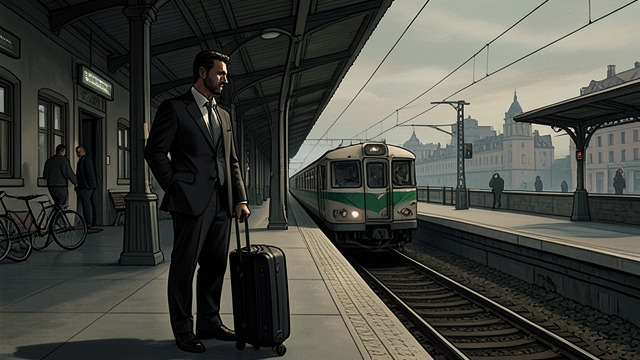
Exile Abroad
A Departure
Count Alexander Ilyich Rostov leaves Russia for Paris after the incident with the Hussar. He remains abroad as war and revolution transform his homeland.
A Decision to Return
When he hears of the Tsar’s execution, the Count travels back. He explains his choice with a joke about missing the climate, but the return reflects a deeper attachment.
Grandmother Sent Away

A Difficult Parting
The Countess Leaves
At Idlehour, Count Alexander Ilyich Rostov tells Countess Rostov that she must leave Russia with only two servants. She understands why he will remain.
A Family Farewell
They part without tears, following the Countess’s earlier lesson that one should not give an adversary the satisfaction of seeing grief. Their restraint does not lessen their affection.
Refusing to Take Up Arms
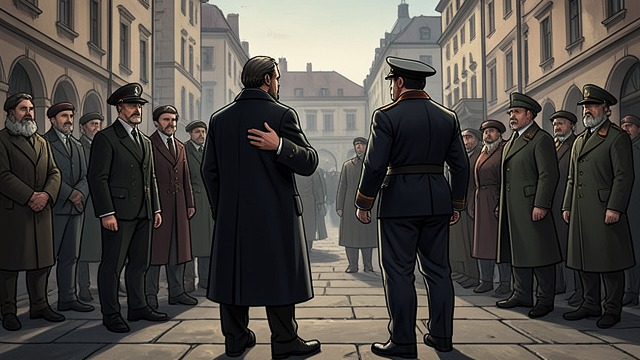
A Countryman on Either Side
A Promise
The Count refuses to fight for the Whites because he has sworn never to shoot another Russian. He regards Bolsheviks as his countrymen, even while judging some of their actions harshly.
Confinement Instead
His political neutrality does not protect his liberty. The state confines him to The Metropol, where he must practice loyalty without public power.
The City He Watches

Moscow Just Beyond Reach
Familiar Landmarks
The Count watches Theatre Square, the Bolshoi, and the streets beyond The Metropol change over decades. His confinement makes him an attentive observer of the country he cannot freely traverse.
Attachment Deepens
Distance intensifies rather than weakens his affection for Russia. The Count remains attached to its people, food, music, and landscapes despite the actions of its governments.
A New Route Out

Departure Without Disavowal
A Practical Escape
Count Alexander Ilyich Rostov leaves the hotel after helping Sofia reach safety. His escape does not mean that he has stopped loving Russia or the people who remain there.
A Changed Relationship
He carries the country as memory and affection rather than as a territory he must possess. Leaving becomes a final act of self-preservation, not a repudiation of home.
1914–1918
August 1918
1918–1922
1922–1954
June 1954
