
The Social Life of the Boyarsky
A Gentleman in MoscowThis thread follows the Boyarsky Restaurant as a space where political power, craft, romance, and everyday encounters converge.
increasing Bearing strength in each event
 decreasing
Bearing strength in each eventdecreasingA Restaurant in Decline
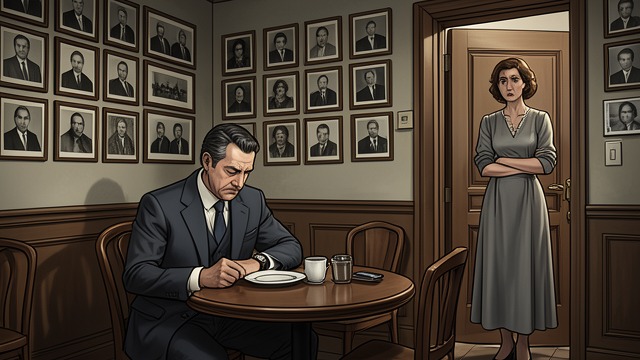
Elegance Under Pressure
Fewer Customers
Restrictions on ruble use make the Boyarsky Restaurant inaccessible to most residents. The once-crowded dining room becomes quiet, even as Emile Zhukovsky preserves the quality of its food.
A Place Held Open
The restaurant’s standards survive a period of scarcity. Its continued existence keeps alive a form of hospitality that the new political economy has nearly extinguished.
The Nettle Saltimbocca

Ingenuity in Scarcity
A Dish Made from Need
Emile Zhukovsky substitutes chicken for veal, Ukrainian ham for prosciutto, and nettle for sage. Count Alexander Ilyich Rostov identifies the herb and earns the chef’s grudging admiration.
Craft Survives
The dish demonstrates that expertise is most visible when ingredients are scarce. The restaurant’s identity rests on judgment and imagination, not abundance.
Wine Labels Removed

Uniform Prices
An Ideological Complaint
A complaint about luxury leads officials to order that the Boyarsky sell only red or white wine at a single price. The cellar’s labels are stripped from more than a hundred thousand bottles.
The Count’s Realization
Count Alexander Ilyich Rostov sees the decision as erasure of a wine’s unique time and place. His argument becomes a wider recognition that history can be flattened by policy.
The Bouillabaisse Plan
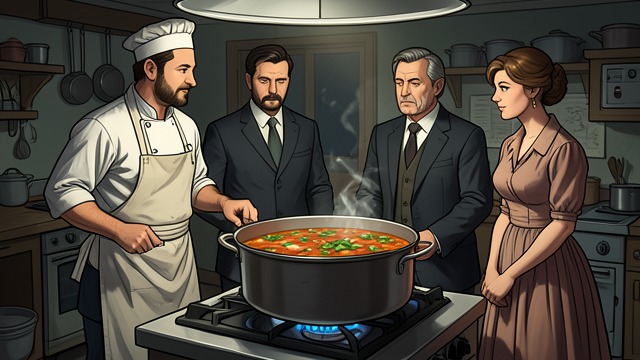
A Dish Worth Waiting For
Ingredients Gathered
The Count, Andrey Duras, and Emile Zhukovsky patiently acquire the fifteen ingredients needed for a proper bouillabaisse. Shortages and scrutiny repeatedly frustrate their plan.
A Shared Feast
They finally cook and eat the dish together after the Bishop is driven from the kitchen. The meal becomes a celebration of friendship, memory, and artistic skill.
A Dinner of State
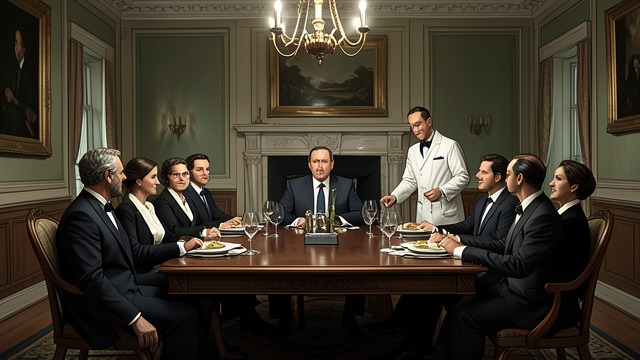
The Restaurant Serves Power
A Political Gathering
The Boyarsky team helps prepare a formal dinner for the Presidium and Council of Ministers. The Count manages the event by reading the guests’ habits and adjusting service in real time.
The Work Continues
The officials’ spectacle depends on the restaurant staff’s largely invisible labor. The Boyarsky remains a place where craft quietly shapes public events.
1920–1922
1922
1924
Around 1930
11 June 1954
