
The Count’s Relationship with Art and Beauty
A Gentleman in MoscowThis thread traces how the Count preserves beauty and artistic experience despite political change and personal confinement.
increasing Bearing strength in each event
 decreasing
Bearing strength in each eventdecreasingPoetry in the Drawing Room
A Life of Reading
Shared Verse
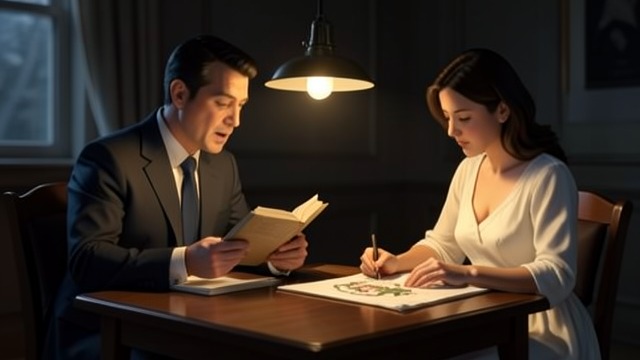
Count Alexander Ilyich Rostov reads Pushkin aloud while Helena Rostov embroiders at Idlehour. Poetry belongs to family life as much as to public literary culture.
An Inherited Sensibility
The Count’s taste in verse and art grows from shared experience. Beauty becomes a form of attention to other people and the world around him.
A Portrait in the Study
Art in a Hidden Room
Helena’s Image
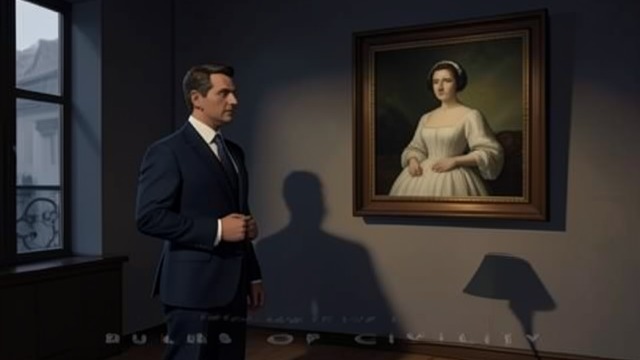
The Count places Helena Rostov’s portrait in his secret study. It gives the room a connection to family and a life outside the hotel.
Beauty as Memory
The painting does not restore the past, but it keeps the Count in conversation with someone he loved. Art becomes a durable form of presence.
The Sound of Tchaikovsky

A Concert from Afar
Horowitz on the Phonograph
Count Alexander Ilyich Rostov listens to Vladimir Horowitz play Tchaikovsky on a recording sent by Richard Vanderwhile. The performance carries Russian music across a border the Count cannot cross.
An Audience in an Attic
The recording evokes landscapes and memories for the Count. Art creates an experience of travel without physical movement.
Sofia Brings Chopin Alive
Music as Expression
Beyond Technique
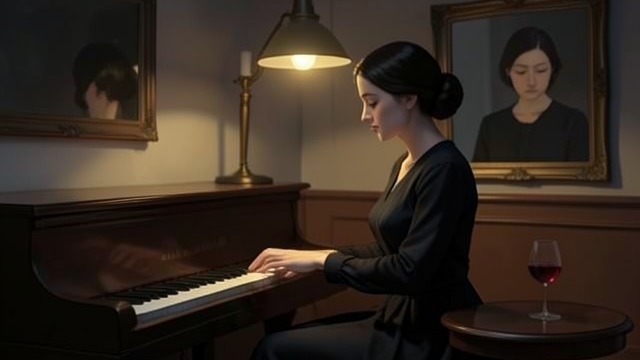
Sofia plays Chopin with sensitivity that astonishes Count Alexander Ilyich Rostov. Her performance communicates a feeling rather than merely reciting notes.
Memory Becomes Form
Sofia draws on her memories of Nina to find the piece’s mood. Music lets her express grief without reducing it to a direct explanation.
A Paris Audience
Art and Departure
Performance
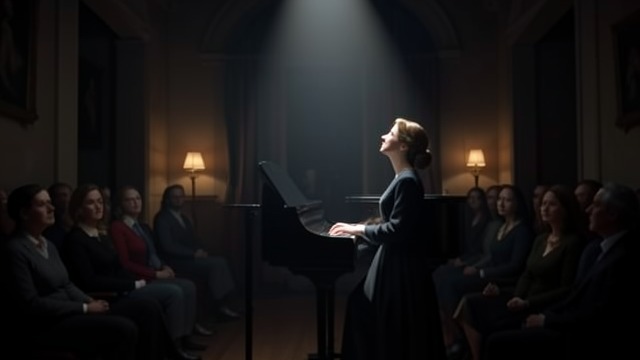
Sofia plays Rachmaninov at Salle Pleyel and receives applause from an international audience. The performance confirms her place as an artist beyond the hotel.
A Different Kind of Journey
She leaves the hall disguised and barefoot, using the concert as a route to freedom. Art does not merely decorate her escape; it makes the escape possible.
Before 1914
1922
1946
1950
21 June 1954
