
The Transformations of the Count’s Rooms
A Gentleman in MoscowThis thread follows the rooms Count Alexander Ilyich Rostov occupies as changing spaces that reflect his successive identities.
increasing Bearing strength in each event
 decreasing
Bearing strength in each eventdecreasingSuite 317
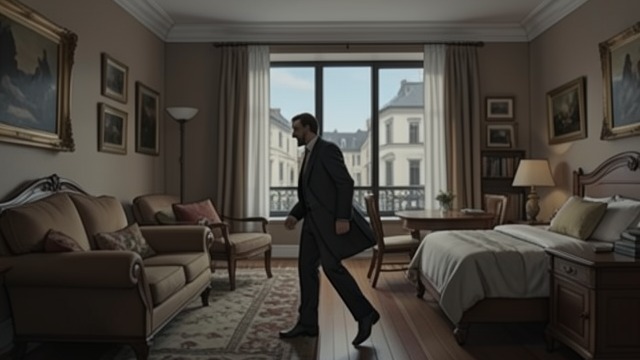
A Gentleman’s Apartment
Space and Habit
Count Alexander Ilyich Rostov lives in a spacious suite overlooking Theatre Square. Its salon, dining room, and bedroom support a life of privacy, guests, and cultivated routine.
A World Taken Away
The suite represents the old life he will lose after the committee’s sentence. Its view becomes a reminder of ordinary freedom he can no longer access.
The Attic Cell
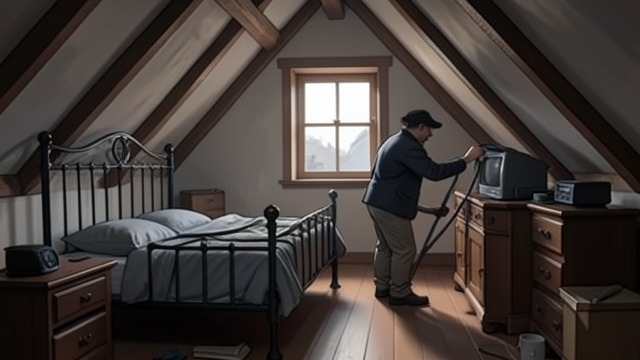
Confinement Made Physical
A Narrow Room
The Count is moved to a dusty attic room with a sloped ceiling, cast-iron bed, and tiny window. The room’s dimensions make the sentence visible and bodily.
Adaptation Begins
He keeps only a selection of furniture and effects, then arranges them to make the room functional. The Count begins to resist humiliation by shaping what remains under his control.
The Secret Study
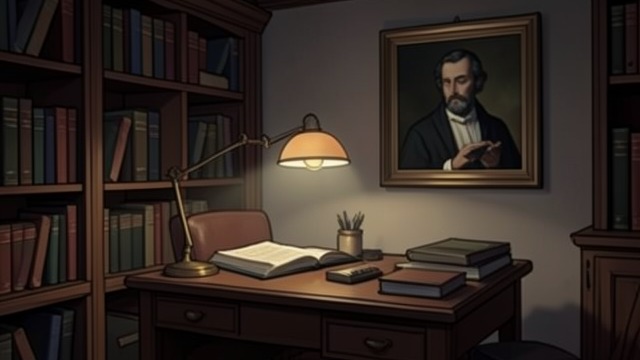
A Room Beyond Authority
A Wall Opened
The Count breaks into a neighboring storage room behind his closet and turns it into a private study. He retrieves furniture and books he had thought lost.
A Spiritual Space
The room holds Helena Rostov’s portrait and family objects, giving the Count space for reading and memory. Secrecy transforms a small chamber into a psychological refuge.
A Child Changes the Floor Plan
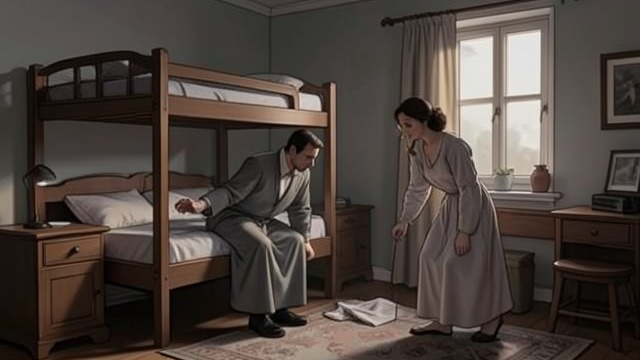
The Room Must Make Room
Sofia Arrives
Sofia’s presence makes the Count’s formerly adequate room feel cramped. He reorganizes furniture and builds a bunk arrangement so that they can sleep and move around one another.
A Shared Home
The physical adjustments signal a larger change: the room now serves two lives. The Count’s routines become flexible because care requires space for another person.
The Room Left Behind
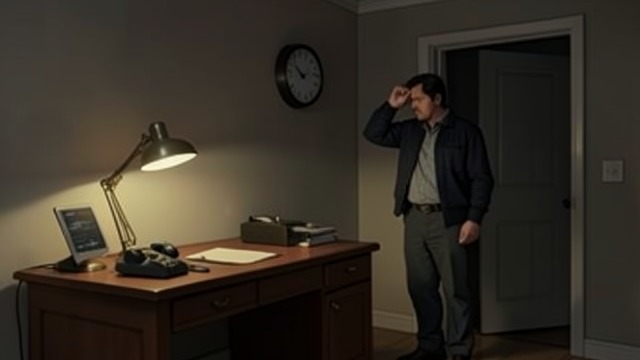
A Final Farewell
Departure
Before leaving The Metropol, the Count looks around the attic room and his secret study. Their modest dimensions contain decades of friendship, work, grief, and family life.
Release
He switches off the study’s light and leaves without trying to preserve the rooms unchanged. The home matters because of the lives it held, not because its occupants can keep it forever.
Before June 1922
June 1922
July 1922
1938
21 June 1954
