
A City’s Political Weather
A Gentleman in MoscowThis thread traces the political climate surrounding The Metropol, from revolution and collectivization to postwar succession and nuclear spectacle.
increasing Bearing strength in each event
 decreasing
Bearing strength in each eventdecreasingRevolutionary Occupation
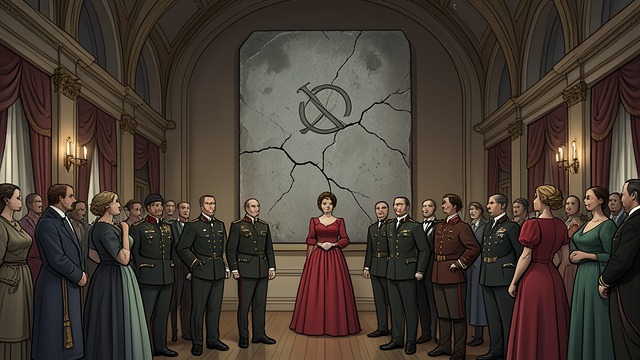
A Changed Regime
New Authority
The Bolsheviks occupy rooms in The Metropol and displace Count Alexander Ilyich Rostov from his suite. Assemblies fill the hotel’s ballroom and political language enters its daily routines.
Old Patterns
The revolution alters the people and symbols in power, but meetings still reproduce hierarchy, self-display, and ceremony. The hotel becomes a stage on which continuity and upheaval coexist.
Collectivization Reaches Ivanovo
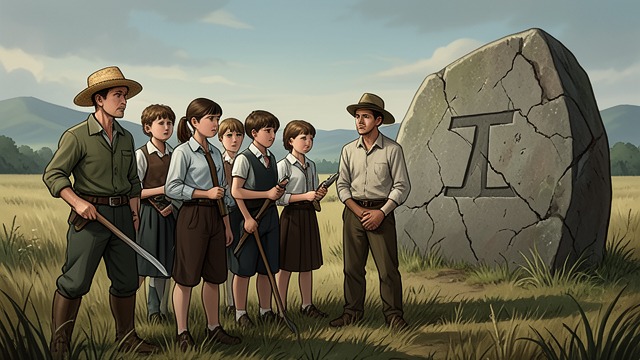
Policy Meets the Countryside
The Campaign
Nina Kulikova joins Komsomol cadres sent to Ivanovo Province to support collectivization. The campaign seeks to reorganize farming while removing kulaks and requisitioning grain.
Disaster Ahead
Resistance, shortages, weather, and coercion combine to reduce agricultural output. The state responds with higher quotas, helping set the conditions for famine.
The City Prepares for Invasion
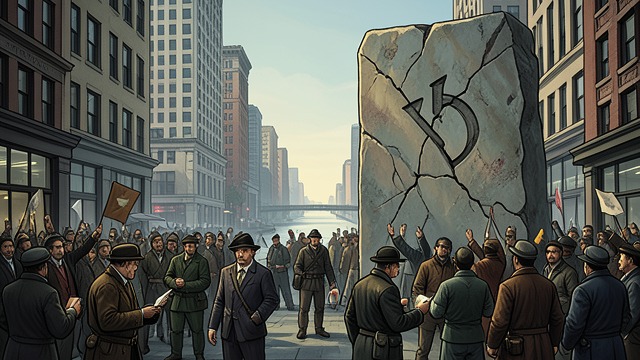
Moscow Under Threat
Retreat and Uncertainty
German forces approach Moscow, and government offices begin relocating. Bridges are mined, classified papers are burned, and the city fills with refugees and disorder.
A Symbolic Stand
Joseph Stalin remains in Moscow and insists the Revolution Day parade will proceed. Soldiers, weather, and public morale contribute to the defense that stops the advance.
Life Has Improved
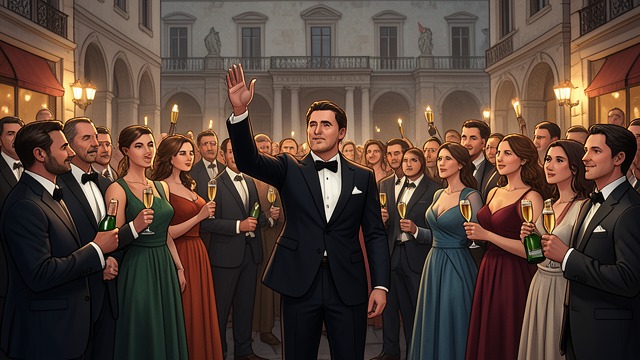
A New Public Mood
A Speech as Signal
Joseph Stalin declares that life has improved and become more joyous. Officials interpret the statement as permission to encourage glamour, luxury, and entertainment.
Managed Pleasure
Champagne production, perfumes, and more fashionable clothing become part of a carefully guided public culture. The shift offers real pleasures while remaining subject to state direction.
Succession After Stalin
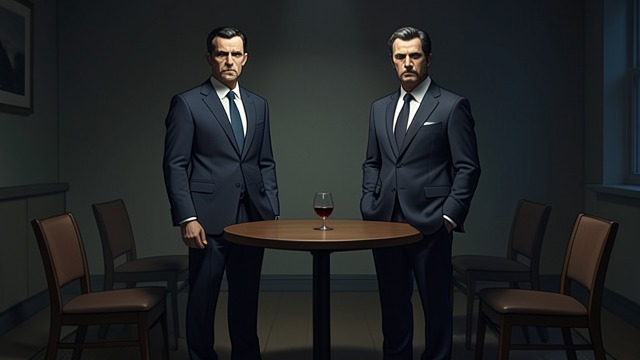
A Leadership Vacuum
The Death
Joseph Stalin dies without a clear succession plan, leaving senior figures to compete for authority. Count Alexander Ilyich Rostov and Richard Vanderwhile had anticipated the uncertainty.
A Fragile Balance
Malenkov and Nikita Khrushchev emerge as antagonistic centers of power. Their rivalry shapes the political environment in which the Count plans Sofia’s departure.
1922
1930–1932
Autumn 1941
November 1935 and after
March 1953
