
The Hotel as a Map of Changing Russia
A Gentleman in MoscowThis thread uses The Metropol’s changing spaces and practices to trace the country’s transformation from revolution through the postwar period.
increasing Bearing strength in each event
 decreasing
Bearing strength in each eventdecreasingOld Suites, New Occupants
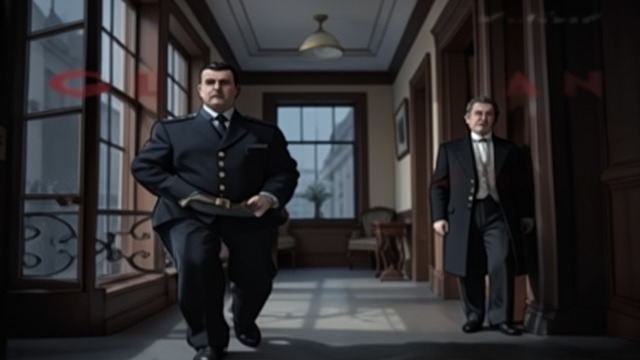
A Building Reassigned
Seized Rooms
The Bolsheviks take over rooms in The Metropol, and Count Alexander Ilyich Rostov loses Suite 317. His former home becomes part of a new political administration.
History in Place
The same windows, corridors, and furniture accommodate changing authorities. The hotel shows that a revolution can replace occupants faster than it can erase the spaces they inherit.
Service Behind the Spectacle
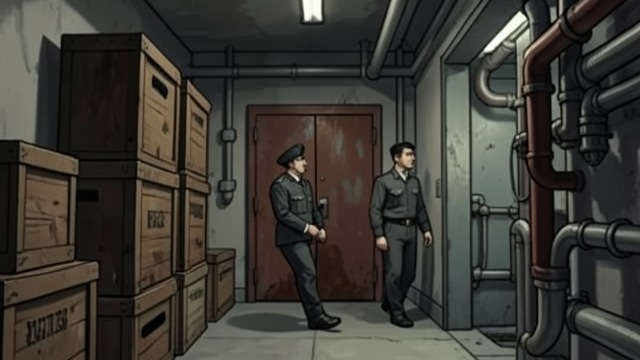
Hidden Labor
Rooms Behind Rooms
Nina Kulikova reveals service corridors, pantries, storerooms, and mechanical rooms that make the hotel function. Count Alexander Ilyich Rostov sees a social world below the polished public surface.
A Larger Institution
The hidden spaces complicate the Count’s earlier picture of hotel life. Institutions depend on labor that their celebrated guests rarely see.
Banquet Silver Survives

Ceremony Changes Hands
Stored Luxury
The hotel’s silver service remains untouched after the Revolution. The Count concludes that revolutionary leaders will eventually need the instruments of formal dining.
Continuity of Pomp
Old ceremonial objects can outlast the ideology that first employed them. Their eventual reuse reveals how readily power adopts the rituals it once condemned.
Modernization and Erasure

A City Rebuilt
Changed Streets
Moscow renames streets, removes statues, widens roads, and replaces older buildings with standardized structures. The city that Count Alexander Ilyich Rostov remembers becomes harder to recognize.
What Persists
Despite physical destruction, practices and memories survive in conversations, rooms, recipes, and music. Change is real, but it cannot fully control what people carry forward.
A Room Made by Its People
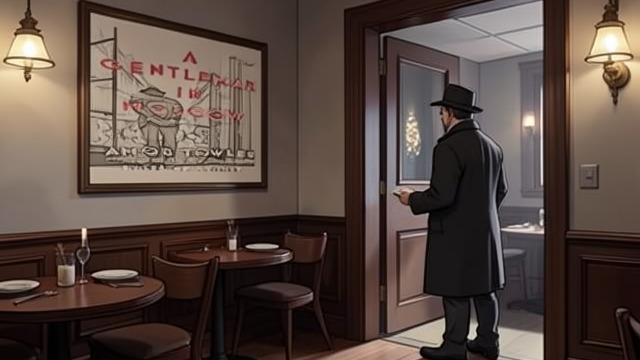
The Piazza’s Human Architecture
A Drawing of the Restaurant
An architect sketches the Piazza and argues that a photograph captures its condition, while the Count argues that its people define its character. Their exchange gives the room a history beyond decoration.
Shared Space
The restaurant’s meaning comes from generations of unexpected meetings. The hotel becomes a map of relationships as much as a structure of walls and rooms.
1922
1922, summer
1922 onward
1930s–1940s
1950
