
Russian Self-Destruction and Renewal
A Gentleman in MoscowThis thread traces the novel’s debate about Russia’s tendency to destroy its own achievements and the possibility that culture and memory survive destruction.
increasing Bearing strength in each event
 decreasing
Bearing strength in each eventdecreasingA Nation That Burns Its Work
Destruction as History
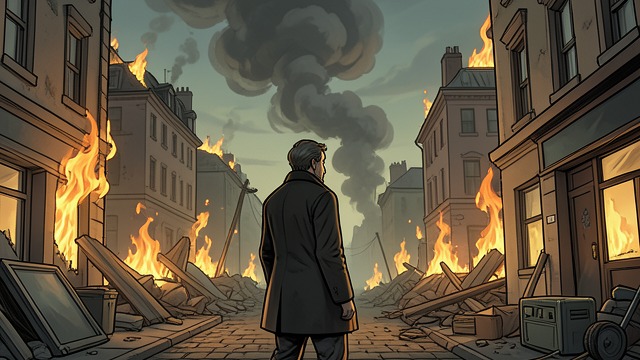
Moscow in Flames
Mikhail Fyodorovich Mindich later describes the burning of Moscow as a pattern in which Russians destroy what they have made. Count Alexander Ilyich Rostov hears the idea as both painful and difficult to dismiss.
A Larger Question
The argument expands from a city to monuments, churches, animals, and people. The novel asks whether destruction reflects indifference or a fierce attachment to what is being lost.
The Cattle Slaughter
Collective Policy, Private Loss
Resistance and Ruin
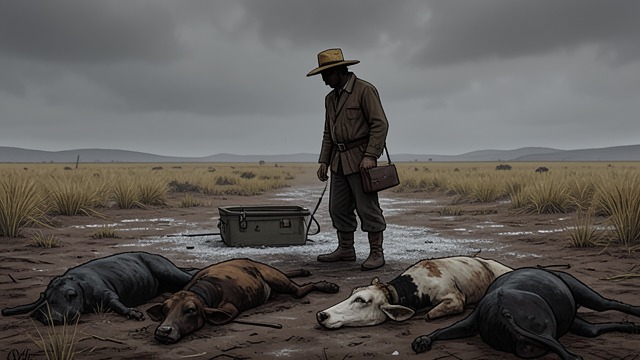
As collectivization begins, peasants kill livestock rather than surrender it to cooperatives. The loss undermines the agricultural system the policy is meant to strengthen.
A Human Cost
The destruction is not abstract: it removes the animals on which households depend. The episode foreshadows famine and complicates claims that sacrifice automatically serves progress.
Culture Under the New Order
Monuments and Writers
Replacing the Past
Statues, churches, streets, and literary works are altered or removed as the state remakes public life. Mikhail Fyodorovich Mindich sees cultural silence spreading through institutions.
The Poetry of Silence
Writers may resist through silence, which can become a form of survival and expression. Suppression does not simply end art; it changes the conditions under which art can exist.
Osip’s Case for Destruction
Progress at a Cost
The Argument
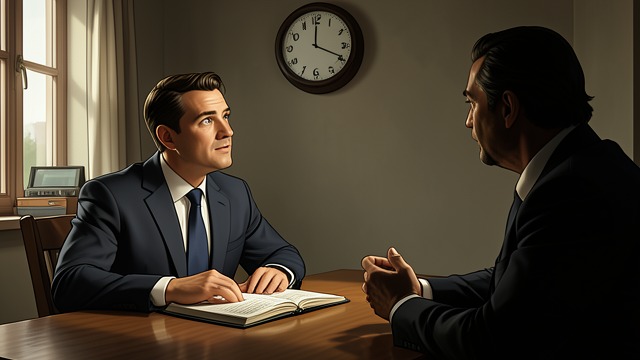
Osip Ivanovich Glebnikov argues that inherited monuments and institutions may hold a society back. He compares Soviet modernization with American development and emphasizes what each has required people to destroy.
A Counterweight
Count Alexander Ilyich Rostov remains uneasy with the price, even while recognizing the achievements. The conversation keeps political progress from becoming a simple story of triumph or ruin.
What Survives the Burning
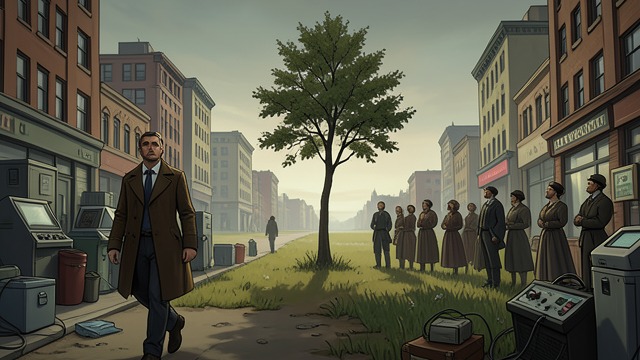
Memory Outlasts Ruin
The Count’s Departure
Count Alexander Ilyich Rostov leaves a city transformed by demolition and political change. Yet his memories, friendships, music, and habits cannot be removed by rebuilding streets.
A Future Beyond the Ruins
His return to the family estate confirms that a place can remain meaningful despite its destruction. The novel’s answer is not that everything survives, but that human meaning can be made again.
1812 and 1922
1930
1930s
1950s
21 June 1954 and afterward
