Anna Urbanova's Comeback
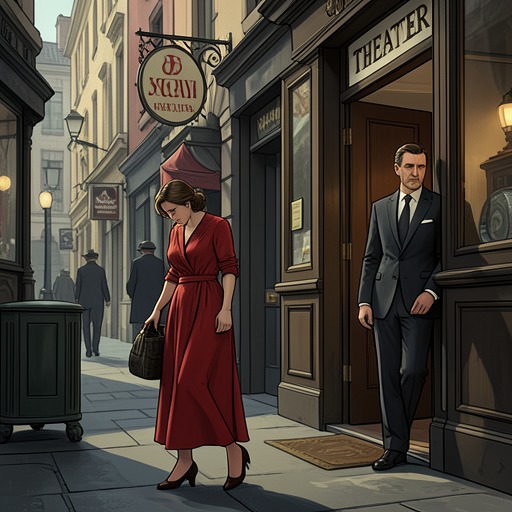
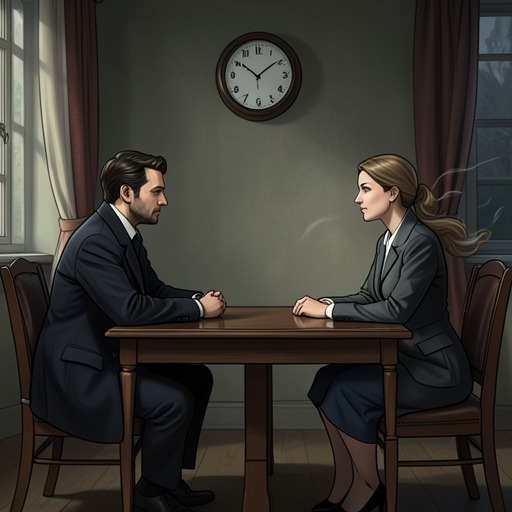
A Gentleman in MoscowAnna Urbanova's comeback is a recovery from fading stardom, achieved not through a glamorous leading role but through a brief performance as a factory worker. The episode traces how a small part lets her voice and stage-trained skill become newly valuable to Soviet cinema, while resisting the neat fiction that one influential admirer alone restored her career.
Background and Opportunity
A dinner with an old director friend leads to Anna being cast in a single scene. The director has reason to wonder whether her days of stardom are over, yet sees a possible fit for her in a small second-act role. The opportunity is modest: she is not asked to return as the young, ravishing star she once was, but to play a middle-aged worker in a factory that is falling behind its quota.
The scene is set near the end of a quarter, with only two weeks remaining. The workers gather to write to the Party leadership, explaining why they expect to miss their target. As they list obstacles, Anna's character rises and delivers a short, impassioned argument for pressing on. The part gives her no grand setting or elaborate plot; its force depends on whether the woman speaking can make persistence sound earned rather than rehearsed.
The Factory Performance
The film's camera moves closer to Anna's character. She is shown as no longer young or conventionally beautiful, but still proud and unbent. The performance makes age and experience part of the character's authority instead of treating them as reasons to dismiss her. Anna's voice is the scene's decisive instrument: it carries the wear of unpaved roads, childbirth, and calling to women across a factory floor. The narration presents it as recognizable and shared—a voice belonging not to an abstraction called the worker, but to a sister, wife, mother, or friend.
Her speech changes what happens in the factory. The women redouble their efforts and exceed the quota. The part therefore joins an individual performance to a collective result: Anna's character does not merely explain hardship or display resolve; she persuades others to act. The scene gives Anna a kind of prominence suited to the story it tells, rooted in an experienced voice and the credibility of a woman who has endured work rather than in youthful glamour.
Recognition and the Return of Work
At the film's premiere, a round-faced, receding-haired man in the fifteenth row responds strongly to Anna's performance. He once met her at the Shalyapin bar in 1923, when he was director of the Moscow Department of Cinematographic Arts. He has since become a senior official in the Ministry of Culture and is rumored to be the likely successor to its current chief. Moved by the factory speech, he soon asks directors within earshot whether they have seen Anna's performance. When she is in Moscow, he sends lilies to her room.
This attention helps explain how the role leads to renewed opportunities, but the account explicitly refuses to make patronage the whole explanation. Anna is a genuine artist trained on the stage. As a member of the Confederacy of the Humbled, she has become punctual, knows her lines, and does not complain. Those habits matter in the work she is offered: reliability and preparation make her useful to directors, while her seasoned beauty and husky voice suit a shift toward films marked by realism and perseverance. Her resurgence comes from factors both within and beyond her control, not from a single favor or a sudden reversal of taste.
Changed Status and Narrative Meaning
The episode closes on a changed everyday life. Anna is once again a star, with a house on the Fontanka Canal and copper ovals nailed to her furniture; now, when guests arrive, she greets them at the door. These details make the return tangible without presenting it as a simple restoration of her former position. Her success gives her a home and renewed standing, while the changed manner of welcoming guests hints at a different relation to the people around her.
The narration also challenges the satisfying story in which a comeback can be traced to one decisive intervention. It acknowledges the official's influence, then places that influence beside Anna's training, disciplined conduct, vocal quality, and the industry's new appetite for realism. Her return is at once personal and institutional: an artist's abilities find renewed use because the cultural preference governing available roles has changed. The single factory scene becomes the point where those circumstances meet, while the account preserves the less tidy truth that neither talent nor opportunity acts alone.