Finland
A Gentleman in MoscowFinland matters chiefly as a destination beyond the border: it turns Count Alexander Ilyich Rostov’s confinement at the Metropol into a practical escape problem involving a passport, a guidebook, disguise, and a guarded frontier. The country remains largely offstage, but the route toward it gives the Count’s departure its direction and exposes the difference between being exiled within one’s own country and trying to leave it altogether.
A destination beyond domestic exile
The novel sets the prospect of Finland against the Count’s reflection on exile at home. Russian rulers, he observes, had sent opponents to Siberia rather than expelling them abroad; later, the Minus Six restriction likewise kept an exile inside Russia. Such punishment left the country near but inaccessible. Finland, by contrast, represents a border the Count might cross, although reaching it requires evading the hotel’s surveillance and the security at the frontier.
The journey is not presented as ordinary travel. The Count must arrange a false appearance and obtain documents without alerting the hotel manager or authorities. Finland thus acquires significance through the barriers between the Metropol and the border: departure depends on exploiting the hotel’s routines, choosing the right moment, and anticipating inspection.
The Finnish guests and the stolen documents
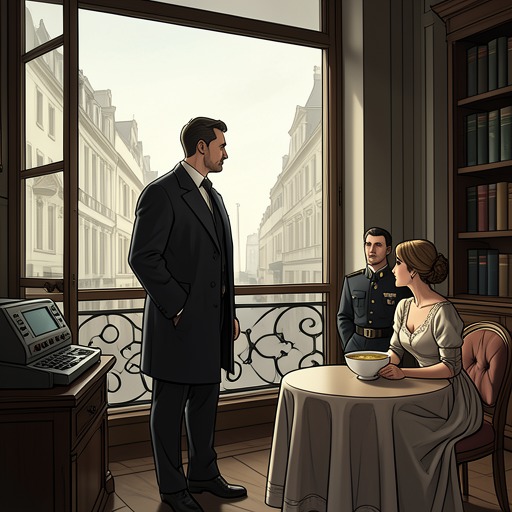
The Count’s plan depends on the arrival of a Scandinavian guest whose belongings he can steal. He knows that a theft discovered too early could trigger reports to the manager and authorities, interviews with staff, searches of rooms, or guards at railway stations. He waits as a Stockholm salesman checks out and an Oslo journalist is recalled, berating himself for not acting sooner. With only twenty-four hours to spare, two Finns arrive at the Boyarsky and sit at his table.
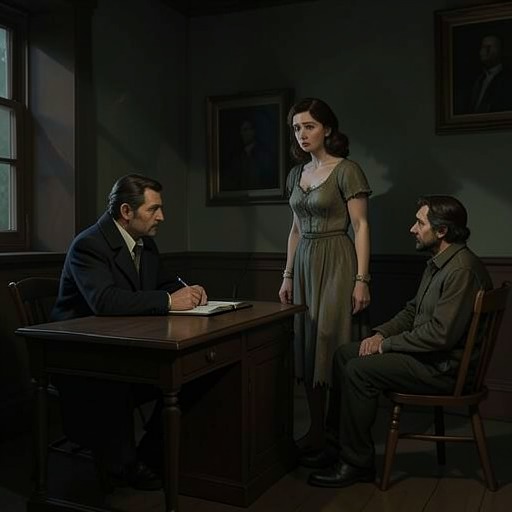
The gentleman’s passport is the crucial item: because foreign visitors in Russia usually carry their passports, the Count cannot simply enter their suite the next morning while they tour the city. He must go in while they are there. At 9:30 that evening, the Finns decline the dessert cart, saying they are tired and ready for bed. Shortly after midnight, after the restaurant has closed and he has bid goodnight to Andrey and Emile, the Count uses Nina Kulikova’s key to enter their suite in stocking feet. A narrow line of light from the white night remains between the curtains, but the travelers are asleep. He takes the Finnish passport and 150 Finnish marks from the bureau.
The theft succeeds, but his return to the hallway brings an immediate complication: his shoes have disappeared, apparently collected by the night service for shining. The episode makes the escape plan depend on mundane hotel procedures as well as the high stakes of border crossing. Later, in the hotel basement, the Count also forces Bishop Leplevsky to hand over the Finland Baedeker guide, another practical resource for the journey.
The route through Vyborg
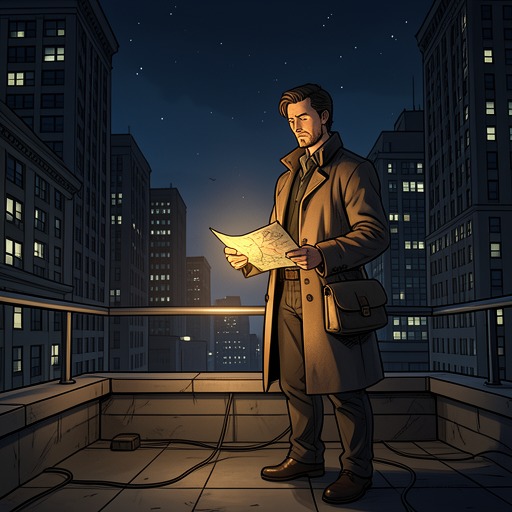
The account of the suspected escape supplies the route’s concrete landmarks. Two nights after the Finnish passport and currency are stolen, a raincoat and hat belonging to an American journalist disappear. Investigators sent to Leningradsky Railway Station establish that a man wearing the items boarded the overnight train to Helsinki. At Vyborg, the Russian terminus, the hat and coat are found in a washroom, together with the Finland Baedeker guide from which the maps have been removed.
Officials infer that Rostov left the train at Vyborg and tried to cross the border on foot, avoiding the tight security at the railway crossing into Finland. Local security is alerted, but the report allows that he may already have escaped their reach. The evidence therefore distinguishes the planned destination from what authorities can establish: the stolen passport, currency, disguise, train journey, and altered guide point toward Finland, while the final crossing remains a presumption rather than a witnessed event.
Narrative significance
Finland is a destination constructed from objects and procedures rather than a setting the narrative explores. The passport makes the Count legible as a foreign traveler; the guide’s missing maps suggest preparation to continue beyond the train; and the abandoned clothing at Vyborg marks the point where the official account loses certainty. Together, these details turn escape into a sequence of constrained movements, each shaped by the prospect of discovery.
The country’s role also sharpens the contrast with the Count’s earlier meditation on exile. Domestic exile leaves a person within reach of the places he cannot freely enjoy; an attempted crossing toward Finland reverses that condition, making the border itself the obstacle. Whether the Count has already passed beyond it is left uncertain, but Finland remains the decisive direction in which his confinement may end.