The Gambling Debt Incident at Princess Novobaczky's Birthday Party
A Gentleman in MoscowSetting and the turn in the weather
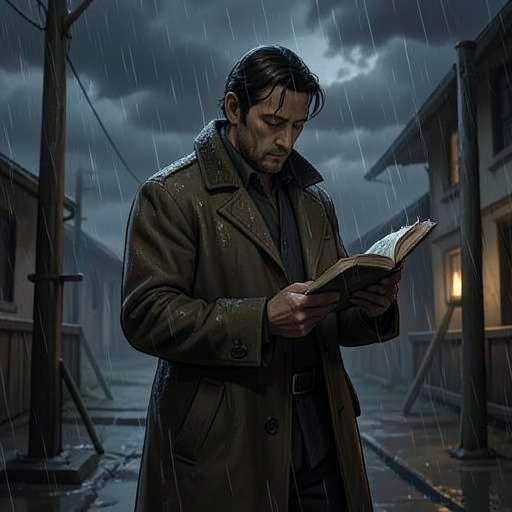
The party takes place on an inclement autumn evening. At five o’clock, the temperature is 34 degrees Fahrenheit, the sky is clouded over, and drizzling rain threatens to leave the guests cold and wet. By the time Rostov sets out at six, the temperature has fallen just enough for the rain to become the season’s first snow. The change alters the evening’s character: what might have dampened the celebration instead lends the snowfall a magical air.
Watching the flakes spiral, Rostov is nearly run off the road by a troika driven at full gallop by a young Hussar officer. He spends an hour getting his carriage out of a ditch and arrives late. The weather’s small shift thus begins a sequence of disruptions and encounters that, in Rostov’s later account, becomes an example of how seemingly slight changes can redirect events.
Dinner and the card game
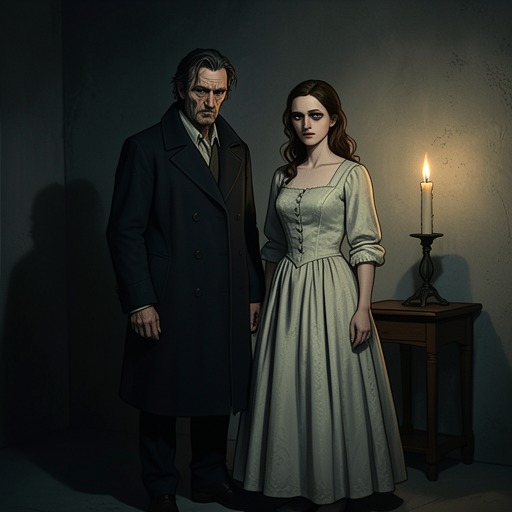
At the party, Rostov arrives alongside a portly friend from his academy days. The friend throws back his shoulders and tests the formality of the footmen, only to slip on the icy drive and land on his backside. Rostov helps him up and escorts him into the house as the other guests leave the drawing room. Later, sore from the fall and unable to dance, the friend asks Rostov to play cards.
The young lieutenant, who has spent three months subsisting on army-kitchen cabbage and potatoes, is captivated by Mrs. Trent’s roast beef. He eats generously and drinks wine. When the orchestra begins tuning and the guests rise from dinner, he passes the Princess’s arm to another gentleman and joins Rostov and his friend at the card table, calling for another glass. The change from dinner to dancing leaves him free to play, and he enters the game in a boisterous mood, confident that he can teach the well-dressed men a lesson in games of chance.
There are five players and three observers. After two hours, the lieutenant has lost 1,000 rubles, and Rostov holds his marker. The loss reverses the officer’s confident entrance: the man who joined the game expecting to instruct others is now in debt to the player he had underestimated.
The torn IOU and its public effect
Rostov says he has no wish to put the lieutenant in a difficult position on the Princess’s birthday. He declares the debt even in her honor, tears the IOU in two, and tosses its halves onto the baize. The lieutenant responds not with visible gratitude but with disorder: he sweeps his wineglass to the floor, knocks back his chair, and stumbles through the terrace doors into the night.
The gesture does not remain private. Although only the small group at the card table witnessed the game directly, the story of the torn IOU spreads around the ballroom. The Princess seeks Rostov out to thank him for what appears to be an act of gallantry. As he bows and dismisses the gesture, the orchestra strikes up a waltz; he takes the Princess in his arms and dances with her across the floor. The lieutenant’s loss, Rostov’s apparent generosity, and the Princess’s public gratitude transform a card-table incident into the evening’s circulating story.
The chain Rostov later recounts
Years later, Rostov tells Charles the story as part of a much longer account of why he left Russia. Charles finds the birthday-party episode splendid but doubts that it explains the departure. Rostov answers by looking beyond the night’s immediate outcome. He says that he knew the tale of his generosity would reach the Princess and took satisfaction in using it to turn the tables on the lieutenant. The act was not simply an effort to spare a young officer embarrassment; it was also a calculated move in their contest.
Rostov then describes the consequences as a chain. Had he not so smugly put the lieutenant in his place, he says, the officer would not have pursued Helena Rostov or humiliated her. Rostov would not have shot him; the officer might not have died in Masuria; and Rostov might have been beside his sister ten years later when she breathed her last. He specifically rejects the idea that Helena died of a broken heart, saying that she died of scarlet fever. The regret concerns not a romantic explanation for her death but Rostov’s own absence at its end, which he connects retrospectively to the choices set in motion at the party.
Significance
The episode turns a small act with a conspicuous public effect into a retrospective account of unintended consequence. At the ballroom, the torn marker appears to settle a debt and win the Princess’s appreciation; in Rostov’s later telling, it is also a deliberate humiliation that helps set further events in motion. His explanation does not establish that every link in the chain was inevitable. Instead, it shows how he understands his own past: a moment of pride at the card table becomes inseparable from his later regret that he was not at his sister’s side.