Vyborg
A Gentleman in MoscowVyborg serves as both a possible threshold out of Russia and the setting for a false trail in the escape of Count Alexander Ilyich Rostov. Investigators believe the Count has reached the town and crossed its border on foot; the later account reveals that Viktor Stepanovich Skadovsky, not the Count, traveled there to make that conclusion seem true. The town’s importance lies in this double role: a real border crossing and a stage for manipulating the authorities’ account of one.
Border Town and Imagined Freedom
Vyborg enters the escape investigation as the Russian terminus of the railway route toward Helsinki. Because crossing the railway border into Finland is described as tightly controlled, investigators infer that a fugitive might leave the train at Vyborg and attempt the crossing on foot. The town is therefore not simply a stop on the way north: it is where rail travel gives way to the risk of an unauthorized border passage.
The larger meaning of such a boundary is sharpened by the Count’s reflections on exile. On the roof of the Metropol, he looks out at Moscow’s Boulevard and Garden Rings, with the Kremlin at their center, and considers the peculiar severity of being exiled within one’s own country. A person forbidden the freedom to enjoy Moscow may dwell on its splendors more intensely than someone at liberty. Against that meditation, Vyborg represents the possibility of leaving the country that has contained him, even as the prospect of crossing remains uncertain.
The Count’s Preparation
The Finnish route begins with a practical problem: the Count needs foreign papers and clothing, but taking them too early could expose the theft and prompt searches or warnings at railway stations. He waits for the right visitor to appear at the Metropol, knowing a Scandinavian guest is likely to report a missing passport promptly. A Stockholm salesman checks out, then an Oslo journalist is recalled; with only twenty-four hours to spare, two Finns arrive and sit at his table in the Boyarsky Restaurant.
The passport is the essential item. Since foreigners in Russia generally carry their passports with them, the Count cannot simply enter the Finns’ suite the next morning while they are sightseeing. He must get into the room that night, while they are still there. These constraints make the plan depend on timing as much as nerve: the target must be present, the document must be accessible, and the theft must occur late enough to delay discovery.
A Trail Left in Vyborg
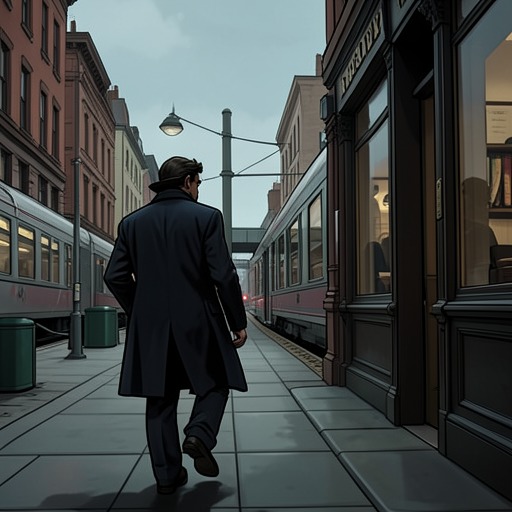
The authorities’ account assembles a convincing sequence. A Finnish passport and currency disappear from a Finnish guest, followed the next night by a raincoat and hat belonging to an American journalist. Investigators learn that a man wearing the journalist’s clothes boarded the overnight train to Helsinki. In a washroom at the Russian terminus in Vyborg, they find the clothes and the Finland Baedeker guide, with its maps removed. Given the security at the crossing, they presume that Count Alexander Ilyich Rostov left the train there to cross the border on foot. Local security is alerted, although the report allows that he may already have escaped their reach.
A clue links the guide to the Count. When Bishop Leplevsky was led to the basement, he saw the Count take the Finland Baedeker guide from a collection of abandoned books. Once that observation is connected to the stolen passport, investigators dispatch officers to the railway station. Vyborg thus becomes the point at which scattered thefts are made to cohere into an official explanation of the escape.
Viktor’s Counterfeit Journey
The account later overturns that explanation. Viktor Stepanovich Skadovsky leaves the evidence in the Vyborg terminal washroom. An hour after saying goodbye to the Count, he boards the Helsinki-bound train in the journalist’s hat and coat, carrying the Baedeker. At Vyborg, he removes the maps and leaves the guide with the other items; then he boards the next train back to Moscow, empty-handed.
The distinction matters: the evidence supports the authorities’ belief that the Count used Vyborg, but reveals that Viktor made the documented journey there. The station washroom, the discarded clothing, and the guide with its maps removed are not reliable traces of the fugitive’s passage. They are props in a deliberate misdirection, turning Vyborg into the apparent endpoint of a pursuit while obscuring the person who actually traveled the route.