
The Evolution of Vampire Rules
A History of the Vampire in Popular CultureThis thread follows the changing rules governing reflections, garlic, crosses, thresholds, sunlight, and transformation.
increasing Bearing strength in each event
 decreasing
Bearing strength in each eventdecreasingRegional Traditions
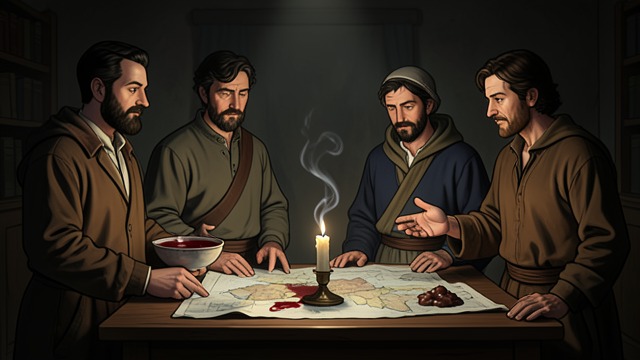
Regional Traditions
Unstable Definitions
Revenants, Vrykolakas, Estrie, and other beings are connected by feeding or returning rather than by a fixed rulebook. Their powers depend on local belief.
Mythic Fluidity
The absence of standard rules allows each community to explain death differently. Later fiction inherits this flexibility while presenting conventions as if they were ancient law.
Literary Conventions
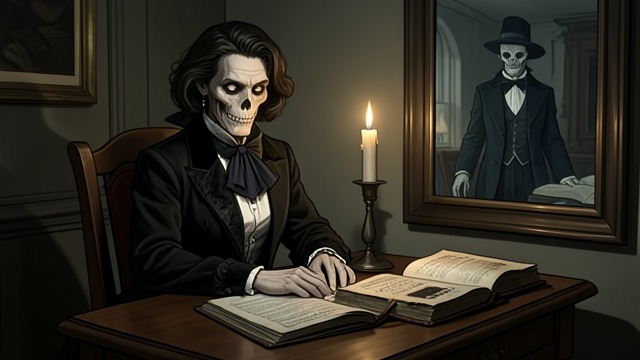
Literary Conventions
Emerging Patterns
Night activity, aristocratic elegance, seductive predation, and contagious transformation become increasingly common. These traits are repeated until readers perceive them as essential.
Convention as Authority
The stories create their own evidence. A fictional rule gains power through repetition, eventually appearing older and more universal than it really is.
Film’s Sunlight Rule
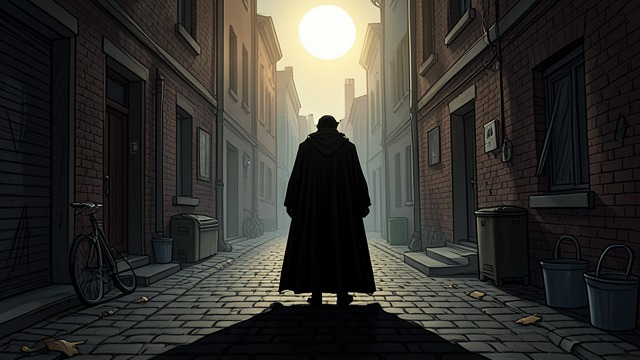
Film’s Sunlight Rule
Visual Vulnerability
Nosferatu gives sunlight a decisive destructive force. The cinematic image makes the vampire’s relationship with daylight immediately legible and dramatically useful.
Inherited Expectation
Later works treat daylight weakness as traditional even though it is not central to Stoker’s novel. Film therefore becomes a source of folklore in its own right.
Myths as Strategy
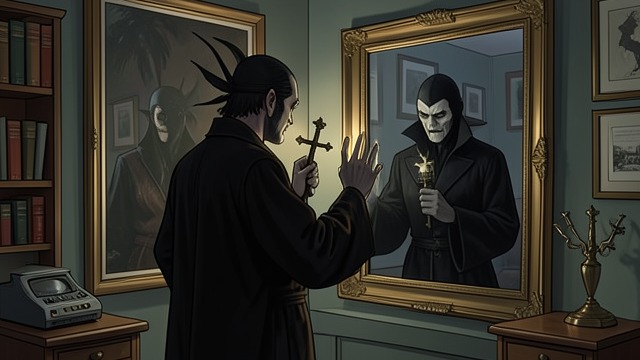
Myths as Strategy
Manufactured Protection
True Blood suggests that vampires may have invented false rules about mirrors, crosses, and holy water to conceal themselves. Folklore becomes a deliberate social technology.
Belief and Power
The rule works not because it is physically true but because humans expect it to be true. The story turns superstition into a weapon controlled by the supposed victim.
Self Believed Weakness
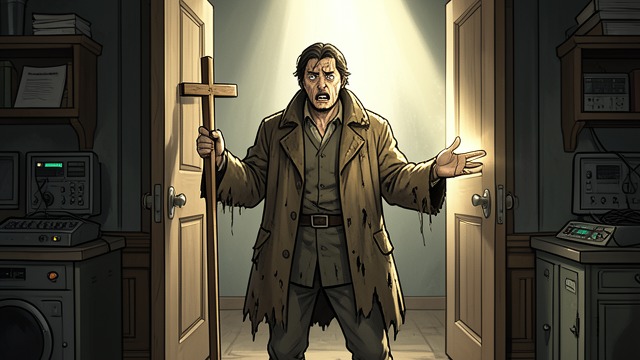
Self Believed Weakness
Dracula’s Inherited Fear
The modern Count believes in thresholds, crosses, and sunlight because generations of victims taught him to fear them. His weaknesses are psychological before they are physical.
Myth Made Flesh
Belief becomes bodily reality. The story suggests that cultural narratives can shape even the immortal creature they claim merely to describe.
before the nineteenth century
1819 to 1897
1922
the modern era
2020s
