
The Goth Aesthetic of Survival
A History of the Vampire in Popular CultureThis thread develops darkness, costume, music, and cemetery imagery as ways of surviving modern anxiety through deliberate style.
increasing Bearing strength in each event
 decreasing
Bearing strength in each eventdecreasingBlack as Protection
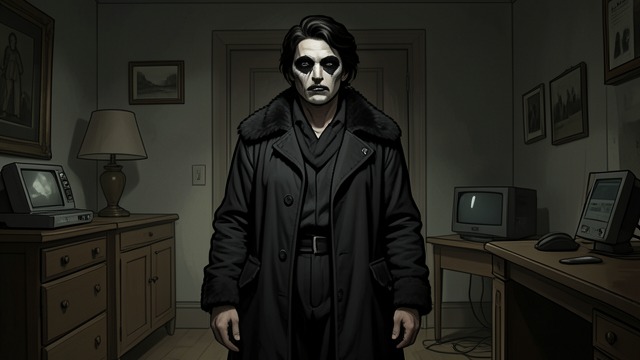
Black as Protection
Visible Difference
Black clothes and heavy makeup make inner alienation outwardly legible. The wearer controls the presentation of a difference others might otherwise impose.
Style as Shield
Gothic appearance can repel unwanted judgment while attracting those who share the same sensibility. Clothing becomes social armor.
Victorian Fantasy
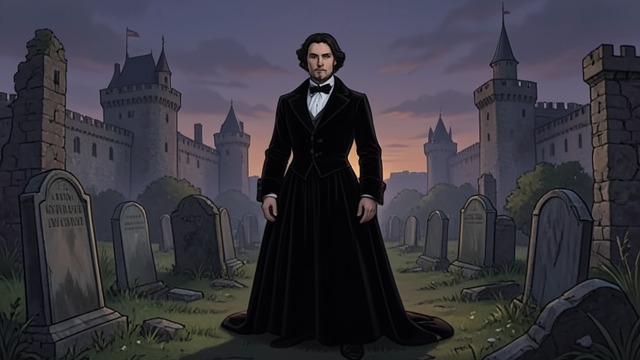
Victorian Fantasy
Romanticized Past
Mourning clothes, velvet, castles, and graveyards evoke earlier eras. The aesthetic selects beauty and atmosphere while leaving poverty, disease, and violence outside the frame.
Controlled Distance
Historical fantasy lets modern people approach death without living under its original conditions. Nostalgia becomes a safe form of confrontation.
Music as Immortality
Music as Immortality
Songs Outlive Bodies
Bela Lugosi’s Dead, The Doors, and related music preserve images and moods beyond their creators’ immediate moments. Sound creates a communal afterlife.
Repetition and Belonging
Listeners recognize the same songs across decades. Musical continuity gives goth culture the endurance associated with the vampire itself.
Graveyard Participation
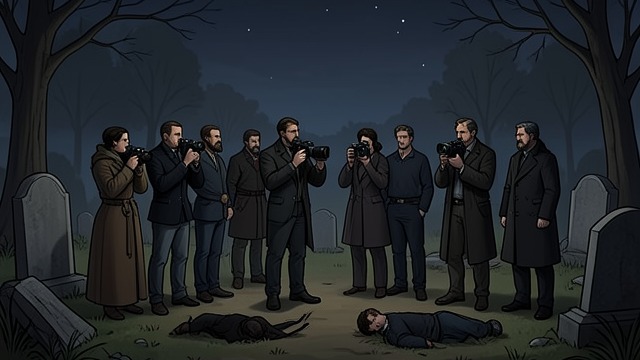
Graveyard Participation
Cemeteries as Social Space
Goth culture transforms graveyards from forbidden places into settings for photography, music, fashion, and reflection. Death becomes something to approach collectively.
Boundaries Respected and Tested
The practice plays with danger while remaining mostly symbolic. Participants seek intimacy with mortality without claiming to conquer it.
Enduring Nightlife
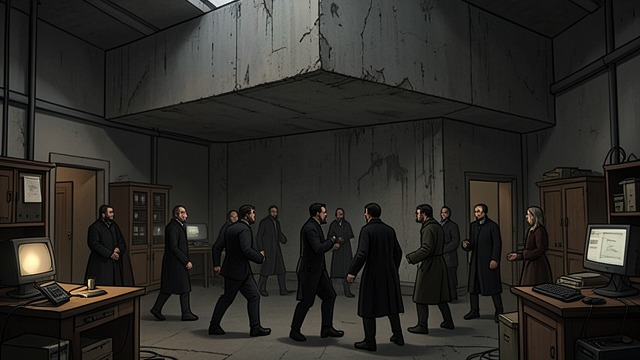
Enduring Nightlife
Community After Dark
Clubs, festivals, online groups, and World Goth Day keep the subculture socially alive. Darkness becomes a time and place for chosen fellowship.
Hope in the Macabre
The aesthetic does not simply celebrate despair. It offers beauty, humor, and belonging in response to a stressful world.
the 1980s
the modern era
from 1979 onward
the twenty-first century
the contemporary period
